Météo à Plaine du Serengeti en février
À Plaine du Serengeti en février : très chaud, un peu de pluie, avec un air pur — une excellente période pour y aller.
Mise à jour : septembre 2026 · normales climatiques issues de la réanalyse ERA5
N° 7 sur 12 mois à Plaine du Serengeti · n° 426 sur 1413 dans le monde en février · confort 83/100 (niveau A)
- Jour
- 29°C
- Nuit
- 17°C
- Jours de pluie
- 8
- Soleil
- 10.9 h
- Humidité
- 58%
- Durée du jour
- 12 h
Notes de voyageurs sur Plaine du Serengeti en février
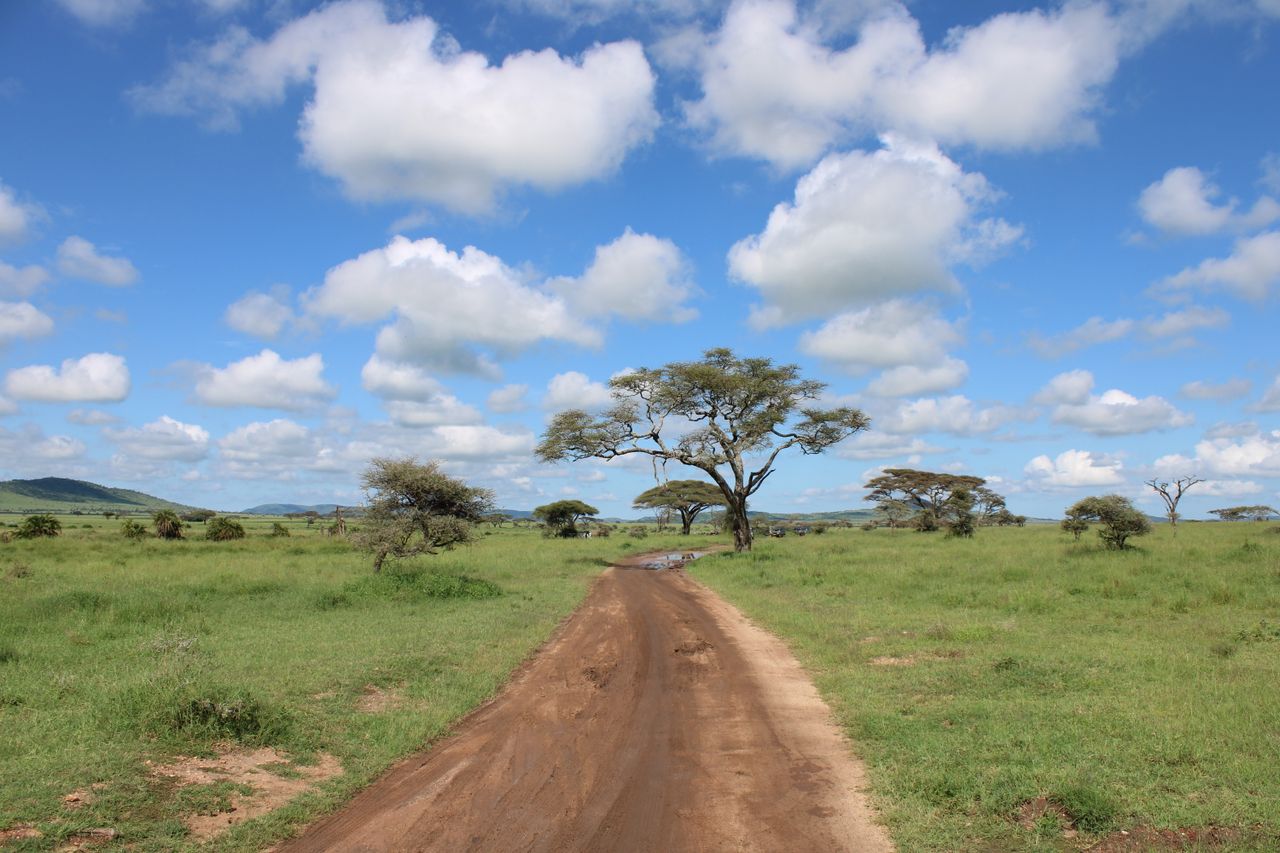
Serengeti-forum threads on February confirm this is calving season around Ndutu and the southern plains, an estimated half a million wildebeest calves born within a concentrated two-to-three-week window, drawing exceptional predator activity that posters call some of the most dramatic game viewing of the whole year. Days run warm to genuinely hot, though nights and early mornings cool down noticeably, real layers worth having for a pre-dawn game drive. One visitor's three-week stay logged only sparse precipitation, a single evening shower and a brief half-hour spell, though posters are consistent this varies year to year rather than being guaranteed. Regulars call February one of the busiest, priciest windows of the year given how reliable the wildlife spectacle is, booking well ahead standard advice. The record: 28.9C days feeling like a punishing 30C, 16.9C nights, 58 percent humidity and 10.9 hours of sun.
Les autres mois à Plaine du Serengeti
Serengeti-forum threads on an April visit describe rain as genuinely not something that scares off the animals, posters naming this a real reason April still works well despite being deep in the wet season. Regulars call migration herds genuinely on the move by April, several posters naming a shift into the western-central Serengeti as calves from the earlier calving season grow stronger. Posters call the actual calving genuinely finished by this point, several regulars naming late January through early March as the real calving window rather than April. Regulars call warm days with afternoon thunderstorms a standard pattern, several threads naming a green, uncrowded landscape as the payoff for visiting during the rains. Posters recommend real flexibility around migration location in April, several regulars calling this standard given how much herd movement depends on where rains are heaviest. The record: 27.1C days, 16.7C nights, 122.1mm across over 15 days and 69 percent humidity.
Serengeti-forum threads on a May visit describe mid-May as the tail end of the long rains, posters calling showers still possible though usually short rather than lasting a full day. Regulars call the landscape genuinely lush by late May, high green grasses, trees in leaf and wildflowers scattered across the plains and crater floor. Posters call the migration herds typically found in the western corridor this month, though exact positioning shifts year to year depending on rainfall. Regulars call May a real value window, considerably fewer tourists and better lodge rates than the peak dry season draws. Posters recommend a strong guide as genuinely essential this month, several regulars calling guide quality the real determining factor for how much wildlife gets seen in May specifically. The record: 27.2C days feeling like 28C, 16.3C nights, 31.2mm across nearly 6 days and 61 percent humidity.
Serengeti-forum threads on March timing describe this as still genuinely strong for the Ndutu calving season, posters calling early March a real continuation of February's peak with plenty of calves and predator action still concentrated in the area. Regulars call location the biggest variable this late in the window, the herds beginning to shift depending on rainfall and where fresh grass comes up. Posters describe a typical March shower as a brief, dramatic afternoon thunderstorm or a light overnight system rather than an all-day soak. Regulars call the tall grass a real downside for spotting smaller animals, though it does concentrate wildlife along the roads. Posters recommend a guide with current knowledge of herd movement rather than assuming a fixed location holds. Regulars call March genuinely rewarding for anyone specifically chasing the calving spectacle. The record: 28.7C days feeling like 30C, 17C nights, 83.2mm across nearly 11 days and 60 percent humidity.
Serengeti-forum threads on September visits describe this as sitting solidly within the dry season, clear and sunny days the norm though posters call mornings and evenings genuinely chilly, warm layers essential for early game drives regardless of how warm the afternoon runs. Regulars call September noticeably cooler than October or April, several posters describing sweaters for dawn drives and a fleece worth keeping on hand around the crater rim. Posters describe the herds as generally starting their crossing back from the Mara by late September, dust also picking up, worth keeping gear covered. Regulars are direct any real system this early is genuinely unpredictable, some years seeing almost nothing through the month. Posters call September a reliably strong month despite the cool mornings. Regulars recommend real layers rather than assuming based on the warm midday temperature. The record: 29.5C days feeling like 30C, 16.9C nights, a low 45 percent humidity and 10.6 hours of sun.
Ajoute ta propre note depuis la fiche de Plaine du Serengeti sur la carte.
Normales climatiques à Plaine du Serengeti — février
Moyennes mensuelles issues de la réanalyse ERA5. L’AQI est l’indice américain de qualité de l’air (US AQI) moyen du mois.
Affluence à Plaine du Serengeti en février
À quel point le lieu lui-même est fréquenté — vacances scolaires et grands départs, les mois signalés par la rédaction, et l’attrait que la météo leur donne. Jamais pris en compte dans le score de confort.
Intersaisonvacances scolaires dans 2 des pays d’où viennent ses visiteurs, un mois ordinaire(estimé)
Pic d’affluenceFréquentéIntersaisonCalme
Les meilleurs mois pour la météo à Plaine du Serengeti
Classés selon le score de confort climatique propre à cette destination au fil de l’année — autre chose que son affluence (voir Affluence plus haut).
Météo correcteÀ Plaine du Serengeti, la météo varie peu au fil de l’année — le confort reste assez stable tous les mois.
Au programme à Plaine du Serengeti en février
Événements saisonniers récurrents, spectacles naturels, fermetures et vacances — sélectionnés et sourcés.
- Règle
Park permits run 24 hours
1 janv. – 31 déc.Réserver tôtThe conservation fee is valid for twenty-four hours from entry and the rangers check on the way out; overstaying buys another full day, and a day-trip permit is shorter again. It is why itineraries are built around gate times, not sunsets. Source ↗
- Nature
Wildebeest calving
15 janv. – 15 mars · en généralSaison de la fauneRéserver tôtClose to half a million calves drop in a three-week burst on the short-grass plains around Ndutu, and every predator in the ecosystem is there for it. The exact fortnight moves with the rains, so camps sell the whole window.
- Nature
Migrant birding season
15 nov. – 15 avr. · en généralSaison des oiseauxEuropean and Asian migrants arrive with the short rains and stay until April, on top of the residents in breeding plumage. The wet months are the ones birders choose and the game drivers avoid.
Tout près, il se passe quelque chose
À moins de 300 km de Plaine du Serengeti — une excursion à la journée ou un saut de puce — avec quelque chose au programme ce mois-ci. Jamais pris en compte dans le score de confort.
- Aire de conservation du Ngorongoro124 kmCalving on the Ndutu plains1 janv. – 15 mars · en généralSaison de la faune
- Arusha235 kmWildebeest calving season20 janv. – 15 mars · en généralSaison de la fauneen.wikipedia.org
- Nairobi249 kmMigrant bird season1 nov. – 15 avr. · en généralSaison des oiseauxen.wikipedia.org
Où se trouve Plaine du Serengeti ?
Plaine du Serengeti en février — FAQ
- Est-ce une bonne période pour aller à Plaine du Serengeti en février ?
- À Plaine du Serengeti en février : très chaud, un peu de pluie, avec un air pur — une excellente période pour y aller. Sur le score de confort de SeasonMap, ce mois se classe au rang 7 sur 12 pour Plaine du Serengeti (83/100).
- Quel temps fait-il à Plaine du Serengeti en février ?
- En février, Plaine du Serengeti affiche en moyenne une maximale de 28.9 °C et une minimale de 16.9 °C, avec environ 45.3 mm de pluie sur à peu près 8.4 jours de pluie.
- Quelle est la qualité de l’air à Plaine du Serengeti en février ?
- En février, l’indice américain de qualité de l’air (US AQI) moyen à Plaine du Serengeti tourne autour de 35.
À moins de 300 km : Calving on the Ndutu plains à Ngorongoro, vers 1 janv. – 15 mars ; Wildebeest calving season à Arusha, vers 20 janv. – 15 mars