Météo à parc national et parcs d'état de Redwood en mars
À parc national et parcs d'état de Redwood en mars : froid, détrempé, avec un air pur — jouable si tu supportes 16 jours de pluie.
Mise à jour : septembre 2026 · normales climatiques issues de la réanalyse ERA5
N° 9 sur 12 mois à parc national et parcs d'état de Redwood · n° 1127 sur 1413 dans le monde en mars · confort 65/100 (niveau C)
- Jour
- 11°C
- Nuit
- 5°C
- Jours de pluie
- 16
- Soleil
- 8.5 h
- Humidité
- 83%
- Durée du jour
- 12 h
Notes de voyageurs sur parc national et parcs d'état de Redwood en mars
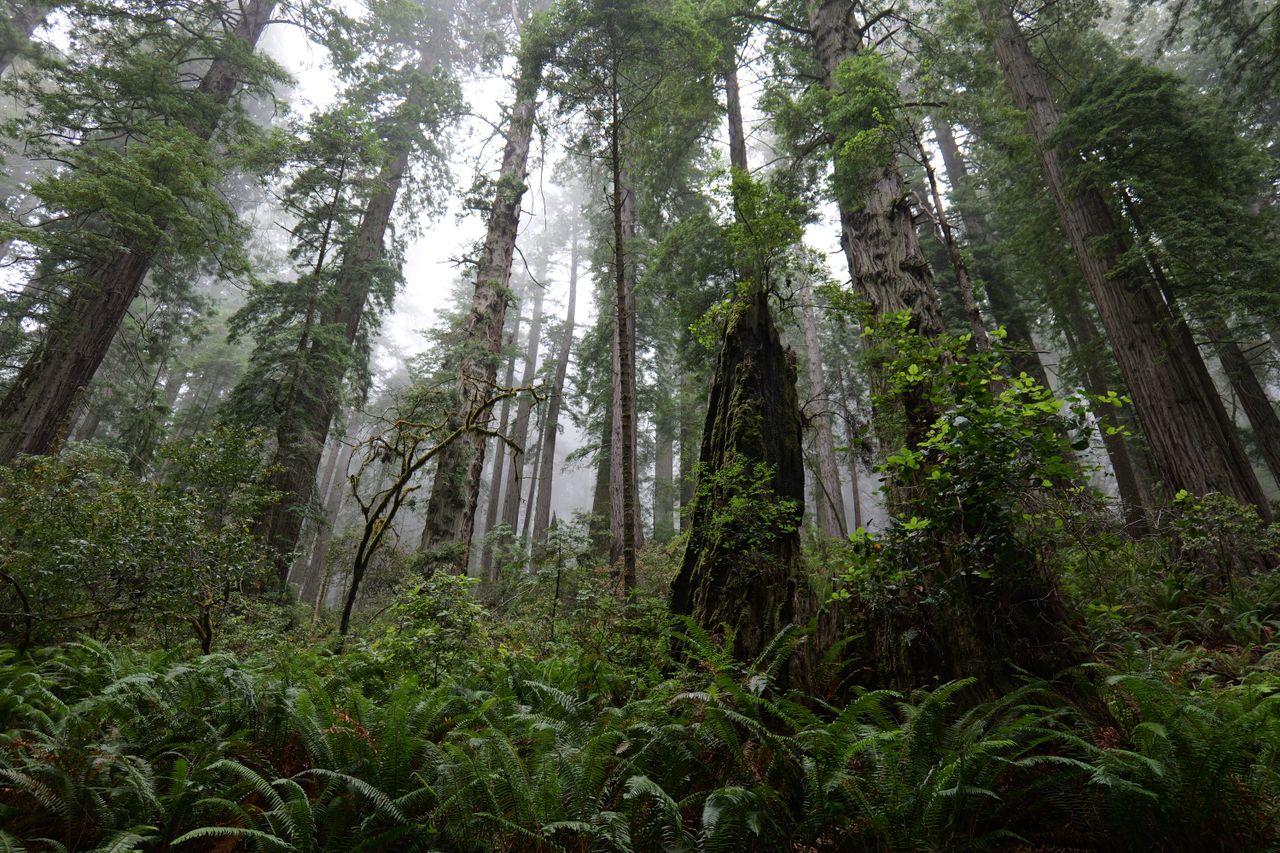
Redwood National Park-forum threads on a March trip from San Francisco describe conditions as genuinely unsettled this time of year, posters calling fog and a real chance of wind along the coast standard for the month. Regulars call real mud likely on most trails regardless of route chosen, a higher-clearance vehicle recommended for anyone planning to explore beyond the main paved roads. Posters recommend pushing as far north as Crescent City rather than stopping at the Avenue of the Giants, several regulars calling the northern sections genuinely the most scenic part of the park. Regulars call Trinidad a solid base for anyone wanting a coastal town rather than staying directly in the park. Posters recommend real waterproof layers regardless of how the morning looks, coastal conditions here shifting fast and often. The record: 11.4C days feeling like 10C, 4.8C nights, an extraordinarily high 246.8mm across over 16 days and 79 percent humidity.
Les autres mois à parc national et parcs d'état de Redwood
Redwood-forum threads on a February visit describe windy rain storms as genuinely possible, posters naming sunny days as equally realistic within the same week. Regulars call temperatures genuinely mild, several posters naming the low fifties Fahrenheit as standard alongside a real chance of rain on any given day. Posters call rainfall genuinely variable by location, several regulars naming Crescent City's sixty-five to seventy inches of winter rain as considerably more than Eureka's roughly forty-five. Regulars call snow genuinely rare here, several threads naming it light and brief whenever it does happen. Posters recommend real waterproof layers regardless of which part of the park you visit, several regulars calling this standard given how much rainfall varies even within a short drive. The record: 10.8C days, 4.5C nights, an extraordinarily high 215.7mm across 13 days and 81 percent humidity.
Redwood-forum threads on a November visit describe the park as staying open year-round, posters calling real fog and rain the standing conditions this time of year. Regulars call daytime highs typically mid-fifties Fahrenheit with nights dropping into the low forties, considerably milder than the interior despite the coastal damp. Regulars describe Crescent City as seeing rain across roughly thirteen days in a typical November, several inches of real accumulation over the month. Posters call usable daylight genuinely limited this late in the year, the sun's low angle leaving only a few hours of good light on a clear day. Regulars call the fog curling among the ancient trees a genuinely unforgettable sight for anyone willing to embrace the dampness. Posters recommend real waterproof layers regardless of forecast, crowds here a fraction of the summer peak. The record: 13.5C days feeling like 11C, 7C nights, an extraordinarily high 215.3mm across nearly 13 days and 81 percent humidity.
Redwood-forum threads on planning an August trip are consistent the coast itself stays genuinely cool even at the height of summer, early mornings on the beach capable of feeling raw once fog and wind combine regardless of the calendar. Posters describe daytime highs near the ocean as staying modest, a real contrast to how warm inland spots just a few miles away can run the same afternoon. Regulars recommend real layers, a waterproof shell plus a lightly insulated jacket covering most conditions a visitor is likely to hit across a single day here. Posters call the marine layer a defining feature of summer specifically, often burning off by afternoon inland while the immediate coast stays shrouded longer. Regulars recommend checking which grove is coastal versus inland before dressing for the day. Posters call the ancient trees worth the trip regardless of a gray start. The record: 21.5C days feeling like 20C, 13.3C nights, a low 74 percent humidity and 12.6 hours of sun.
Redwood-forum threads on September visits call this genuinely one of the best-balanced months, lingering summer warmth paired with thinning crowds and a noticeably lighter coastal fog pattern than the deep marine layer that can blanket the coast through midsummer mornings. Posters describe September fog, when it does roll in, as considerably less dense than a typical winter system, adding real atmosphere to forest photos rather than obscuring the trees outright. Regulars call conditions generally mild and comfortable for extended hiking, cooler along the immediate coast and noticeably warmer once inland among the tallest groves. Posters recommend planning coastal viewpoints and beach walks for whenever the fog happens to lift, since the pattern can shift within the same morning. Regulars call September a genuine sweet spot for anyone wanting both good light and manageable crowds. The record: 20.5C days feeling like 19C, 12.5C nights, a 14.9C sea and 74 percent humidity.
Ajoute ta propre note depuis la fiche de parc national et parcs d'état de Redwood sur la carte.
Normales climatiques à parc national et parcs d'état de Redwood — mars
Moyennes mensuelles issues de la réanalyse ERA5. L’AQI est l’indice américain de qualité de l’air (US AQI) moyen du mois.
Affluence à parc national et parcs d'état de Redwood en mars
À quel point le lieu lui-même est fréquenté — vacances scolaires et grands départs, les mois signalés par la rédaction, et l’attrait que la météo leur donne. Jamais pris en compte dans le score de confort.
FréquentéSpring break (États-Unis)(estimé)
Pic d’affluenceFréquentéIntersaisonCalme
Les meilleurs mois pour la météo à parc national et parcs d'état de Redwood
Classés selon le score de confort climatique propre à cette destination au fil de l’année — autre chose que son affluence (voir Affluence plus haut).
Météo correcteÀ parc national et parcs d'état de Redwood, la météo est au top entre juin et août, avec un pic vers juillet.
Meilleure météoMétéo correcteMétéo la plus rude
Au programme à parc national et parcs d'état de Redwood en mars
Événements saisonniers récurrents, spectacles naturels, fermetures et vacances — sélectionnés et sourcés.
- Nature
Grey whales northbound
1 mars – 30 avr. · en généralSaison des baleinesThe return leg brings mothers and calves closer inshore than the autumn run, which is why spring is the better half of the migration to watch from the headlands. Source ↗
Où se trouve parc national et parcs d'état de Redwood ?
parc national et parcs d'état de Redwood en mars — FAQ
- Est-ce une bonne période pour aller à parc national et parcs d'état de Redwood en mars ?
- À parc national et parcs d'état de Redwood en mars : froid, détrempé, avec un air pur — jouable si tu supportes 16 jours de pluie. Sur le score de confort de SeasonMap, ce mois se classe au rang 9 sur 12 pour parc national et parcs d'état de Redwood (65/100).
- Quel temps fait-il à parc national et parcs d'état de Redwood en mars ?
- En mars, parc national et parcs d'état de Redwood affiche en moyenne une maximale de 11.4 °C et une minimale de 4.8 °C, avec environ 246.8 mm de pluie sur à peu près 16.3 jours de pluie.
- Quelle est la qualité de l’air à parc national et parcs d'état de Redwood en mars ?
- En mars, l’indice américain de qualité de l’air (US AQI) moyen à parc national et parcs d'état de Redwood tourne autour de 40.
- Neige-t-il à parc national et parcs d'état de Redwood en mars ?
- En mars, il tombe environ 13.7 cm de neige à parc national et parcs d'état de Redwood.