Clima en Uluru (Ayers Rock) en enero
Uluru en enero: sofocante, algo lluvioso, con aire limpio — no es el momento — tardes de 35°C.
Actualizado: septiembre de 2026 · normales climáticas del reanálisis ERA5
n.º 12 de 12 meses en Uluru · n.º 1295 de 1413 destinos para visitar en enero · confort 39/100 (nivel F)
- Días
- 36°C
- Noches
- 22°C
- Días de lluvia
- 4
- Sol
- 11.5 h
- Humedad
- 33%
- Horas de luz
- 14 h
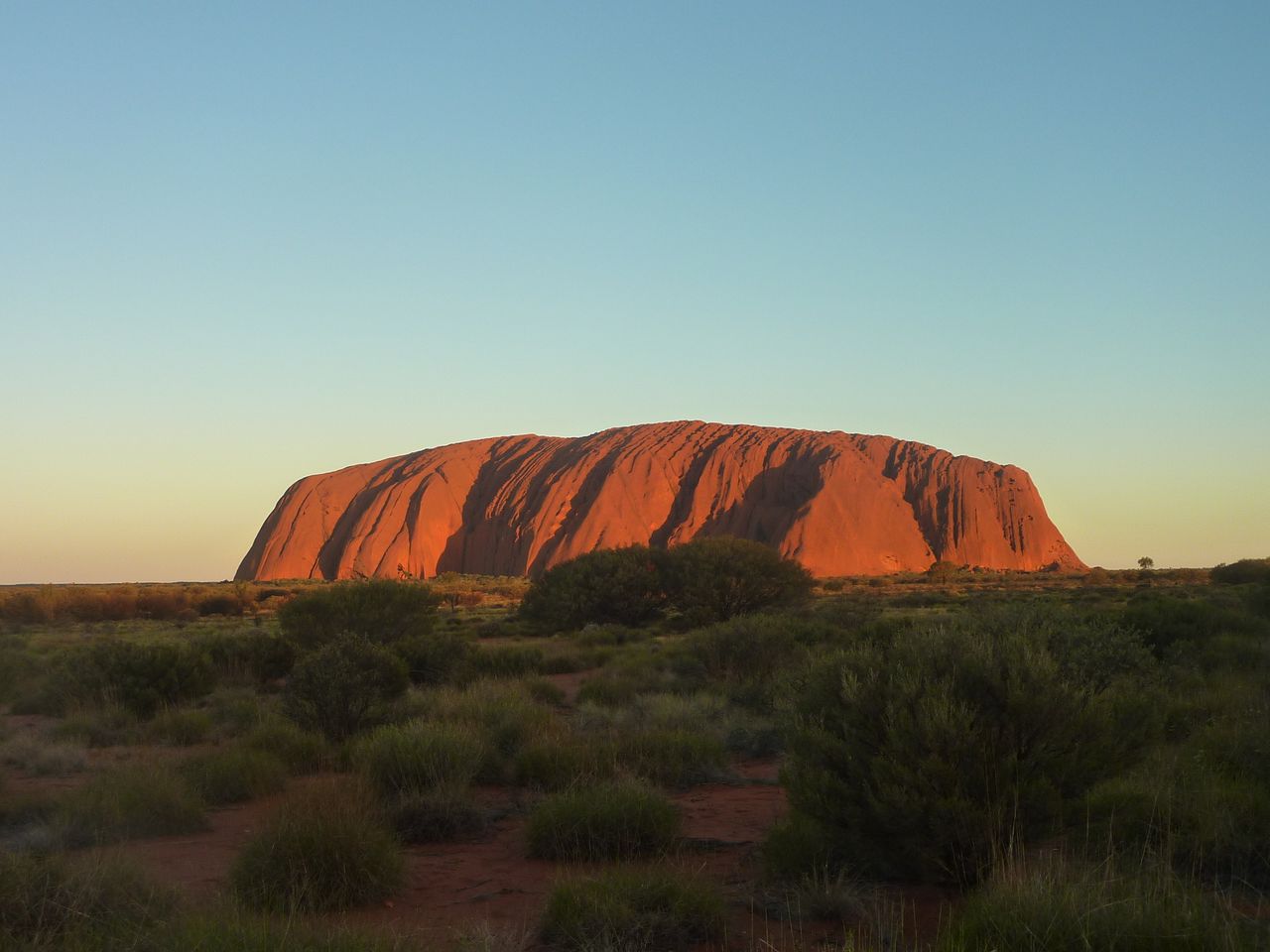
Notas de viajeros sobre Uluru en enero
Uluru forum threads describe January as genuinely extreme heat, with posters citing a typical daily average in the high 30s Celsius and real risk of exceeding 40C on the hottest days. Rangers close climbs and walking trails once temperatures pass around 36C or are forecast to, a real scheduling constraint posters flagged for anyone hoping to walk the base trail. Flies were mentioned repeatedly as a genuine nuisance carrying over from the late-year heat, with posters specifically recommending fly nets as practical gear rather than an overreaction. The consistent advice was to plan outdoor activity for early morning or late afternoon and stay seriously hydrated through the heat of the day, with posters noting the desert climate does bring real relief once night falls and temperatures drop noticeably.
Otros meses en Uluru
Uluru-forum threads on a February visit describe real heat reaching the high thirties to forty degrees, posters naming the desert's dry heat as more bearable than humid heat elsewhere despite the extreme numbers. Regulars call rangers genuinely quick to close climbs and walks once temperatures exceed or are forecast to exceed thirty-six degrees, several posters naming this a real factor that can change plans. Posters call dawn and dusk the real standard sightseeing windows, several regulars naming midday poolside time as the practical way to handle the heat. Regulars call a fly net genuinely essential alongside the usual hat and sunscreen, several threads naming this repeatedly as a must-pack item for February. Posters recommend checking the forecast each morning before planning the day, several regulars calling this standard given how quickly closures can happen. The record: 35.9C days, 20.7C nights, 21.5mm across over 2 days and 27 percent humidity.
Uluru-forum threads on a September visit call this genuinely a strong window, posters describing conditions as starting to warm without reaching peak summer intensity and well clear of winter's cold mornings. Regulars call early September a real advantage over the school holiday stretch, considerably fewer visitors than later in the month once holidays begin. Posters recommend a wide-brimmed hat over a baseball cap specifically, alongside solid closed shoes for the walking trails around both Uluru and Kata Tjuta. Regulars call sunrise and sunset tours a genuine highlight this month, conditions generally reliable for viewing. Posters recommend the Hop On Hop Off bus for anyone wanting flexibility, five runs a day typical during the September schedule. The record: 26.6C days feeling like 27C, 9.5C nights, 14.3mm across over 2 days and 32 percent humidity.
Uluru-forum threads on an early April visit describe conditions as genuinely pleasant, posters calling mornings cool enough for a proper walk while afternoons warm up considerably without tipping into harsher summer heat. Regulars call the base walk, a flat two-hour loop around the rock, considerably easier than any climb attempt and doable comfortably this time of year. Posters describe the climb itself, when open on a given day, as entirely weather-dependent, rangers running assessments through the morning and early afternoon before deciding. Regulars recommend not giving up on a closed morning assessment, conditions can shift enough by midday for a later opening. Posters call flies a genuine nuisance regardless of how good the weather is, a head net worth packing. Regulars recommend sunrise or sunset for the best light and cooler temperatures. The record: 28.2C days feeling like 25C, 13.4C nights, a scant 1.1 days of measurable precipitation and 33 percent humidity.
Uluru-forum threads on packing for June describe a genuinely wide daily temperature swing, mild afternoons in the high teens to low 20s dropping to well below freezing overnight, since the Red Centre's desert air holds almost no daytime heat once the sun goes down. Posters plan around that swing rather than the daytime reading alone - light layers for midday, a proper down jacket, hat and gloves for any sunrise or sunset viewing, exactly when most visitors are out on the rock's viewing platforms. Regulars call June through August the most comfortable window of the year overall because of the mild days, provided the cold mornings and evenings are taken seriously. The desert stays essentially free of precipitation this time of year, so a washed-out day is a non-issue. The record: 18.6C days feeling like 14C, 3.9C nights, 50 percent humidity, 8.9 hours of sun and a clean 20 AQI.
Añade tu propia nota desde la ficha de Uluru en el mapa.
Normales climáticas de Uluru — enero
Medias mensuales del reanálisis ERA5. El AQI es el índice de calidad del aire de EE. UU. (US AQI) medio del mes.
Afluencia en Uluru en enero
Cuánta gente hay en el propio lugar: vacaciones escolares y masivas, los meses que marcó el editor y cuánto atrae su clima. Nunca cuenta en la puntuación de confort.
ConcurridoSummer holidays en Australia, vacaciones escolares en 3 de los mercados que lo llenan(estimado)
Máxima afluenciaConcurridoTemporada mediaTranquilo
Los mejores meses para el clima de Uluru
Ordenados según la propia puntuación de confort climático de este destino a lo largo del año, algo distinto de cuánta gente hay (consulta Afluencia, más arriba).
Clima más duroEl mejor clima de Uluru llega en mayo, julio y agosto: ventanas separadas, no una temporada continua.
enero coincide con Heat closures on the walks.
Mejor climaClima aceptableClima más duro
Qué hay en Uluru en enero
Eventos de temporada recurrentes, espectáculos naturales, cierres y festivos, seleccionados y con fuente.
- Norma
Park gates open by the sun
1 Ene – 31 DicCierresReserva prontoThe park opens about half an hour before sunrise and shuts after sunset, on times that shift every month, and you cannot be inside outside them. Sunrise in December means leaving the resort before five. Fuente ↗
- Cierre
Heat closures on the walks
1 Nov – 31 Mar · normalmenteRiesgoPark rangers close the Valley of the Winds beyond the first lookout from eleven in the morning whenever the forecast hits the mid-thirties, and the same logic applies to the Uluru base walk. Summer walking means starting at first light or not at all. Fuente ↗
- Riesgo
Summer storms and waterfalls
1 Dic – 15 Mar · normalmenteTemporada de inundacionesCierresThunderstorms come off the desert in the hot months and the rock runs with waterfalls for a few hours, which is the sight nobody plans for. The same rain closes park roads and the Lasseter Highway. Fuente ↗
¿Dónde está Uluru?
Uluru en enero — preguntas frecuentes
- ¿Es enero un buen momento para visitar Uluru?
- Uluru en enero: sofocante, algo lluvioso, con aire limpio — no es el momento — tardes de 35°C. Es el mes n.º 12 de 12 en Uluru según la puntuación de confort de SeasonMap (39/100).
- ¿Qué tiempo hace en Uluru en enero?
- En enero, Uluru tiene una máxima media diaria de 36.3°C y una mínima de 22°C, con unos 39.4 mm de lluvia repartidos en unos 4.2 días de lluvia.
- ¿Cómo es la calidad del aire en Uluru en enero?
- En enero, Uluru tiene un índice de calidad del aire (US AQI) medio de unos 25.