Clima en Nikkō en marzo
Nikkō en marzo: frío, lluvioso, con aire limpio — un buen momento para ir.
Actualizado: septiembre de 2026 · normales climáticas del reanálisis ERA5
n.º 7 de 12 meses en Nikkō · n.º 1122 de 1413 destinos para visitar en marzo · confort 65/100 (nivel C)
- Días
- 10°C
- Noches
- 0°C
- Días de lluvia
- 15
- Sol
- 8.5 h
- Humedad
- 73%
- Horas de luz
- 12 h
Notas de viajeros sobre Nikkō en marzo
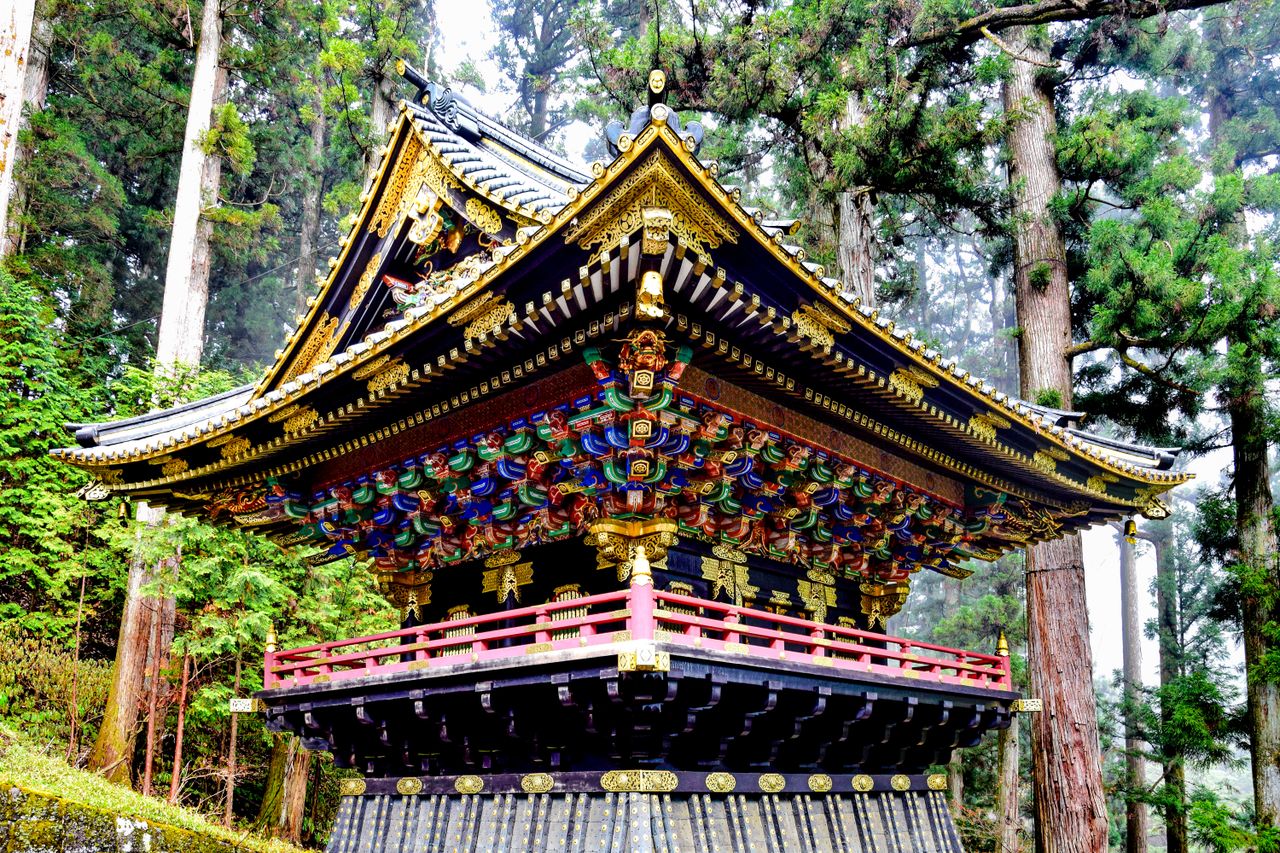
Regulars are specific the lower Toshogu area can turn cold and rainy with sleet even as the mountains above stay genuinely hard to predict, snow at higher elevations a real possibility - one memorable year even brought a snowstorm as late as April 1st. Our row backs that cold, genuinely wet read, 10.1C over -0.1C nights feeling as low as -4C, with a substantial 131.9mm of rain across 14.6 days and real snow, 32.4cm. Regulars are consistent Lake Chuzenji specifically runs colder and more exposed than the lower town, staying cold and crisp even late in the month. Thick coats, hats and gloves remain the standard advice throughout rather than an early-spring wardrobe. The record: humidity 73 percent, 8.5 hours of sun and a 13 kph wind.
Otros meses en Nikkō
September here can be too foggy and wet for good visibility, and regulars say October and November both run drier - our row backs that with 241.5mm across 23 days at 87.9 percent humidity, easily this destination's wettest column of the ones we carry. The consolation is Kegon Falls itself: the volume of water is at its best now, and visitors who caught a clear late-September day call the falls robust and colourful with the season's first hints of colour already showing. Peak foliage in the upper park is a month or more away, mid to late October. Our temperature reads gently, 23.8C over 17.6C, with only 7.5 hours of sun a day standing behind that rain total. The record: an 8.4 kph wind and AQI 38.
The colour here is a question of altitude, not date. Regulars are blunt that the town and shrine area is mostly cedar and does not turn at all, so the autumn everyone comes for is up the Irohazaka road at Chuzenji and Kegon, and by late October that upper ground is in full colour. The cost is the same road: weekends are extremely crowded and the bus up to Oku Nikko can hold you for hours, so the advice is a weekday and a very early start. Light layers do it in October at 17.9C over 10.6C. Our row adds what the board leaves out - 197.7mm across 17.4 days and only 7 hours of sun - so this is a wet month to be planning a view in. The record: humidity 84 percent, a 9.2 kph wind and AQI 32.
For once our snow column is not describing a distant hillside: visitors to Nikko in early April report actual snow, very cold air around Kegon Falls, and at least one April storm that made roads impassable, which is what the 8.5cm in our row is. The split to plan around is inside the destination. Downtown Nikko is the mild part at 15.2C over 4.8C; up at Lake Chuzenji, several hundred metres higher, the mountains are still white and the woods still under snow while the town below is in spring. If the Fukiware-to-Chuzenji road closes there is a low route that adds about two hours. And regulars are blunt that this is not a cherry-blossom destination - Nikko is deciduous forest, not sakura. The record: 142.6mm across 14.9 days, 9.1 hours of sun and AQI 55.
The standing Japanese advice for June is that the tsuyu is bearable - light rain rather than torrential, warm rather than hot days, not raining every day, with the season usually starting around the 10th. Nikko is the place that advice under-describes. Our row carries 217.4mm across 22 precipitation days at 85 percent humidity, two days in three and ten millimetres on each, because this is mountain country rather than Tokyo. What goes first is the view: one June visitor could not see Kegon Falls at all for fog. What is at its best is the planting - the ajisai hydrangeas and the moss are the reason several regulars pick June anyway. Come with indoor options and a flexible order. The record: 22.7C days, 14.9C nights, 8.6 hours of sun and AQI 57.
Añade tu propia nota desde la ficha de Nikkō en el mapa.
Normales climáticas de Nikkō — marzo
Medias mensuales del reanálisis ERA5. El AQI es el índice de calidad del aire de EE. UU. (US AQI) medio del mes.
Afluencia en Nikkō en marzo
Cuánta gente hay en el propio lugar: vacaciones escolares y masivas, los meses que marcó el editor y cuánto atrae su clima. Nunca cuenta en la puntuación de confort.
ConcurridoSpring break (haruyasumi) en Japón(estimado)
Máxima afluenciaConcurridoTemporada mediaTranquilo
Los mejores meses para el clima de Nikkō
Ordenados según la propia puntuación de confort climático de este destino a lo largo del año, algo distinto de cuánta gente hay (consulta Afluencia, más arriba).
Clima aceptableEl clima de Nikkō alcanza su mejor momento de abril a junio, sobre todo hacia mayo.
Mejor climaClima aceptableClima más duro
Qué hay en Nikkō en marzo
Eventos de temporada recurrentes, espectáculos naturales, cierres y festivos, seleccionados y con fuente.
- Festival
Yunishigawa Kamakura Festival
25 Ene – 2 Mar · normalmenteLuces y fuegoHundreds of small snow huts lit by candles along the riverbed at Yunishigawa Onsen, deep in the mountains of the city's northern district. Go at dusk; it is a long bus ride from central Nikko, so most people stay the night. Fuente ↗
- Cierre
Mountain roads close
20 Dic – 20 Abr · normalmenteThe higher roads above Lake Chuzenji shut for the winter and Senjogahara becomes a snowshoe walk. The shrines and the lower town stay open and are as empty as they ever get. Fuente ↗
- Temporada
Snow season
Temporada de esquíAbout 32 cm of snow falls in the month.
según las normales climáticas
Cerca, y con algo en marcha
A menos de 300 km de Nikkō —una excursión de un día o un trayecto corto— y con algo en marcha este mes. Nunca cuenta en la puntuación de confort.
¿Dónde está Nikkō?
Nikkō en marzo — preguntas frecuentes
- ¿Es marzo un buen momento para visitar Nikkō?
- Nikkō en marzo: frío, lluvioso, con aire limpio — un buen momento para ir. Es el mes n.º 7 de 12 en Nikkō según la puntuación de confort de SeasonMap (65/100).
- ¿Qué tiempo hace en Nikkō en marzo?
- En marzo, Nikkō tiene una máxima media diaria de 10.1°C y una mínima de -0.1°C, con unos 131.9 mm de lluvia repartidos en unos 14.6 días de lluvia.
- ¿Cómo es la calidad del aire en Nikkō en marzo?
- En marzo, Nikkō tiene un índice de calidad del aire (US AQI) medio de unos 49.
- ¿Nieva en Nikkō en marzo?
- En marzo caen unos 32.4 cm de nieve en Nikkō.
A menos de 300 km: First lifts in Japan en Karuizawa, 1 Nov – 31 Mar y Plum blossom en Tokyo, hacia 10 Feb – 10 Mar.