Clima en Arusha (Kilimanjaro) en enero
Arusha en enero: caluroso, lluvioso, con aire limpio — un gran momento para ir.
Actualizado: septiembre de 2026 · normales climáticas del reanálisis ERA5
n.º 10 de 12 meses en Arusha · n.º 534 de 1413 destinos para visitar en enero · confort 77/100 (nivel B)
- Días
- 27°C
- Noches
- 17°C
- Días de lluvia
- 12
- Sol
- 10.5 h
- Humedad
- 66%
- Horas de luz
- 12 h
Notas de viajeros sobre Arusha en enero
Forum posters describe January as northern Tanzania's short-rains/green season, generally the hottest and most humid stretch of the year, with daytime highs commonly cited in the 80sF and occasional short downpours especially likely around Ngorongoro Crater. Posters break down nearby safari-circuit conditions by location: the Serengeti runs around 29C by day and 17C at night, Ngorongoro Crater a cooler 25C day/14C night given its elevation, and Tarangire generally warm with only slightly cooler mornings and evenings. Posters consistently recommend layering for game drives - lightweight shirts and convertible pants for the heat of the day, with a warm fleece or jacket for genuinely cool early-morning and evening drives regardless of how hot the afternoon gets. The lush, green January landscape is named as a real plus for wildlife photography, coinciding with wildebeest calving season in the southern Serengeti.
Otros meses en Arusha
Arusha-forum threads on an April visit describe nights as genuinely cool, posters naming a range of thirteen to eighteen degrees with the Ngorongoro Crater rim dropping as low as eleven. Regulars call daytime genuinely comfortable by contrast, several posters naming twenty-five to twenty-eight degrees as standard and recommending shorts and sandals with a fleece for evenings. Posters call April genuinely peak long-rains season, several regulars naming rain most days but rarely lasting all day, with animals still visible and storm-cloud light making for vivid photography. Regulars call a lightweight quick-drying rain poncho genuinely handy, several threads naming this as most lodges only supply umbrellas. Posters recommend long trousers and sleeves in the evening, several regulars calling this standard given real mosquito activity after dark. The record: 24.8C days, 17.7C nights, an extraordinarily high 156mm across nearly 24 days and 82 percent humidity.
Arusha-forum threads on March weather describe conditions as genuinely warm, posters calling showers a real possibility though not the day-after-day monsoonal pattern some travelers expect. Regulars call the migration positioned in the Ndutu area of the southern Serengeti this month, a real factor for anyone planning a March safari through an Arusha-based operator. Posters recommend Arusha primarily as a safari staging point rather than a standalone destination, several regulars describing limited standalone attractions in the town itself. Regulars recommend confirming guide and driver credentials directly before booking, multiple threads specifically discussing reputable operator recommendations. Posters recommend real insect protection regardless of the season, mosquitoes flagged repeatedly as a standing concern in and around town. The record: 27.7C days feeling like 30C, 17.2C nights, an extraordinarily high 144.7mm across nearly 15 days and 71 percent humidity.
Arusha-forum threads on February weather describe mornings and late evenings as genuinely cool, posters calling a fleece or light jacket standing advice for early safari departures even though afternoons warm up considerably. Regulars call this generally still a strong month for wildlife viewing and calving season further into the Serengeti and Ndutu, though Tarangire specifically gets more consistent rain and is sometimes recommended against this time of year. Posters describe conditions as a real mix of sun and passing showers, nothing that should derail a planned day. Regulars call Ngorongoro and the Serengeti the more consistently recommended options over Tarangire. Posters recommend a lightweight rain jacket alongside warmer layers for chilly mornings, both genuinely useful across a single day. Regulars call Arusha a comfortable, practical base for onward logistics. The record: 28C days feeling like 30C, 16.5C nights, 67.6mm across over 8 days and 63 percent humidity.
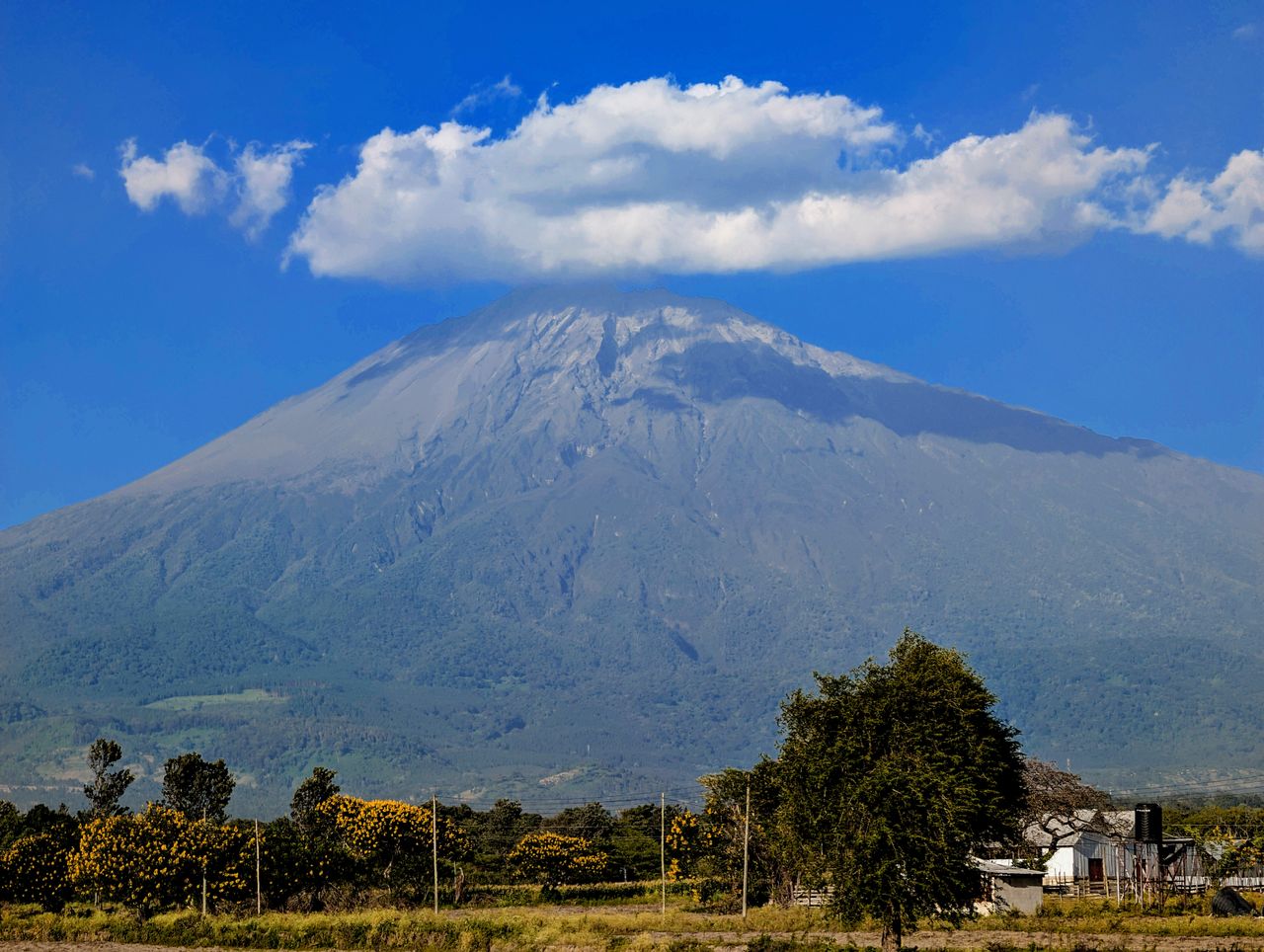
Arusha-forum threads on views of Kilimanjaro from town are candid a clear sighting is genuinely rare, the mountain usually shrouded in cloud even on an otherwise sunny day. Posters describe October conditions in Arusha as comfortably warm, the wetter pattern building through the second half of the month still mostly holding off in the first couple weeks. Regulars call October a real transition, the short rains typically arriving mid-month on the mountain and pushing anyone climbing toward real rain gear regardless of a favorable forecast at sea level. Posters recommend layering for the safari drives, mornings noticeably cooler than the warm midday sun suggests. Regulars call Arusha's role as the gateway town the genuine draw, most visitors passing through en route to the parks or a Kilimanjaro attempt. Posters recommend an early-October trip over late for the better odds. The record: 26.6C days feeling like 27C, 16.2C nights, 65 percent humidity and 10.8 hours of sun.
Añade tu propia nota desde la ficha de Arusha en el mapa.
Normales climáticas de Arusha — enero
Medias mensuales del reanálisis ERA5. El AQI es el índice de calidad del aire de EE. UU. (US AQI) medio del mes.
Afluencia en Arusha en enero
Cuánta gente hay en el propio lugar: vacaciones escolares y masivas, los meses que marcó el editor y cuánto atrae su clima. Nunca cuenta en la puntuación de confort.
Máxima afluenciaFestive season peak, December–January long break en Tanzania, vacaciones escolares en 5 de los mercados que lo llenan(estimado)
Máxima afluenciaConcurridoTemporada mediaTranquilo
Los mejores meses para el clima de Arusha
Ordenados según la propia puntuación de confort climático de este destino a lo largo del año, algo distinto de cuánta gente hay (consulta Afluencia, más arriba).
Clima más duroEl clima de Arusha alcanza su mejor momento de junio a agosto, sobre todo hacia julio.
Mejor climaClima aceptableClima más duro
Qué hay en Arusha en enero
Eventos de temporada recurrentes, espectáculos naturales, cierres y festivos, seleccionados y con fuente.
- Naturaleza
Wildebeest calving season
20 Ene – 15 Mar · normalmenteTemporada de faunaReserva prontoThe short grass plains around Ndutu and the southern Serengeti, reached on safari from Arusha, fill with newborn wildebeest calves and the predators that follow them; camps here book out well before the February peak. Fuente ↗
- Festivo
Festive season peak
18 Dic – 5 Ene · normalmenteNavidad y Año NuevoMucha genteReserva prontoThe northern circuit's second peak. Lodges add festive supplements, the Ngorongoro and Serengeti gates are busy, and anything not booked by October has gone. Fuente ↗
Cerca, y con algo en marcha
A menos de 300 km de Arusha —una excursión de un día o un trayecto corto— y con algo en marcha este mes. Nunca cuenta en la puntuación de confort.
- Parque nacional de Amboseli102 kmMigrants on Lake Amboseli15 Nov – 31 Mar · normalmenteTemporada de aves
- Zona de conservación de Ngorongoro133 kmCalving on the Ndutu plains1 Ene – 15 Mar · normalmenteTemporada de fauna
- Nairobi232 kmMigrant bird season1 Nov – 15 Abr · normalmenteTemporada de avesen.wikipedia.org
¿Dónde está Arusha?
Arusha en enero — preguntas frecuentes
- ¿Es enero un buen momento para visitar Arusha?
- Arusha en enero: caluroso, lluvioso, con aire limpio — un gran momento para ir. Es el mes n.º 10 de 12 en Arusha según la puntuación de confort de SeasonMap (77/100).
- ¿Qué tiempo hace en Arusha en enero?
- En enero, Arusha tiene una máxima media diaria de 27.4°C y una mínima de 16.5°C, con unos 101 mm de lluvia repartidos en unos 12.2 días de lluvia.
- ¿Cómo es la calidad del aire en Arusha en enero?
- En enero, Arusha tiene un índice de calidad del aire (US AQI) medio de unos 43.
A menos de 300 km: Migrants on Lake Amboseli en Amboseli, hacia 15 Nov – 31 Mar y Calving on the Ndutu plains en Ngorongoro, hacia 1 Ene – 15 Mar.