Wetter in Uyuni im Januar
Januar in Uyuni: angenehm, regnerisch, mit sauberer Luft – eine ausgezeichnete Reisezeit.
Aktualisiert: September 2026 · Klimanormalwerte aus der ERA5-Reanalyse
Platz 8 von 12 Monaten in Uyuni · Platz 487 von 1413 Reisezielen im Januar · Komfort 80/100 (Stufe A)
- Tagsüber
- 18°C
- Nachts
- 6°C
- Regentage
- 18
- Sonne
- 11.5 h
- Luftfeuchte
- 59%
- Tageslicht
- 13 h
Notizen von Reisenden zu Uyuni im Januar
Andere Monate in Uyuni
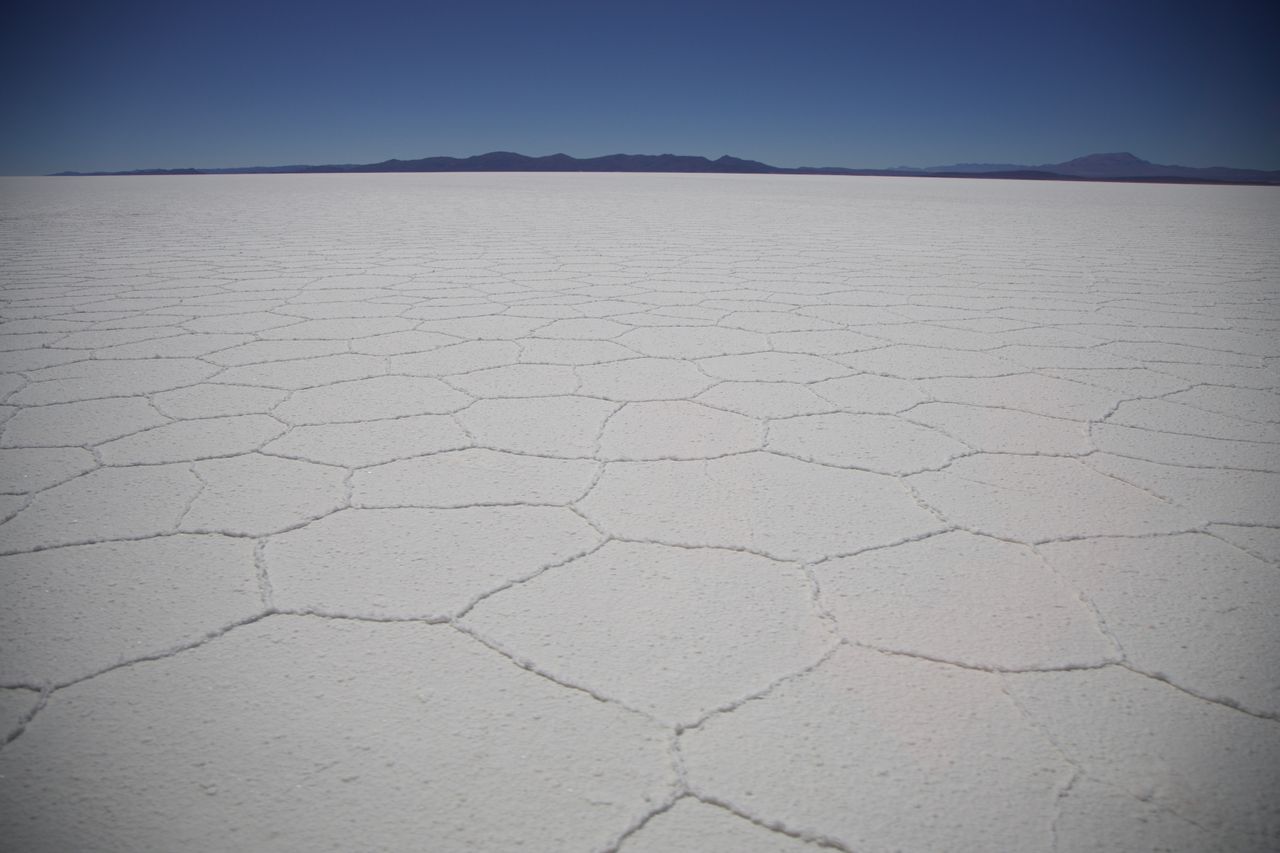
Uyuni's forum is clear that by May the famous mirror effect on the salt flats is no longer reliable - that's really a December-through-March phenomenon, and much of the salar has dried out by this point, though a lucky visitor might still catch some water in patches. A rain jacket becomes unnecessary this time of year, but nights turn genuinely brutal - one traveler reported around -10C at 4,400m elevation. The honest framing from regulars: come for the dry, otherworldly salt-flat scenery and star-filled skies, not for a shot at the reflection photos, and pack serious cold-weather gear regardless of how warm the days feel.
Forum posters give genuinely mixed advice on November - some call it a good window since the rains typically haven't started yet, meaning full access to sights like Fish Island (Isla Incahuasi) and an overnight stay at a salt hostel that become impossible once the salt flat floods; others frame November as already rainy-season-adjacent, with a real risk of transport disruption especially in the surrounding highlands. Posters are consistent that the classic mirror-reflection photos require standing water on the salt, which typically doesn't happen until the wetter February-March window - so November visitors should expect the dry, cracked salt-flat look rather than the famous reflection shots. Nights are described as genuinely freezing regardless of the exact date, with extra blankets provided at accommodations and posters confirming a sleeping bag generally isn't necessary given that provision.
Schreib deine eigene Notiz – direkt auf der Karte, bei Uyuni.
Klimanormalwerte Uyuni – Januar
Monatliche Durchschnittswerte aus der ERA5-Reanalyse. Der AQI ist der mittlere US-Luftqualitätsindex des Monats.
Andrang in Uyuni im Januar
Wie voll der Ort selbst ist – Schul- und Massenferien, die Monate, die die Redaktion markiert hat, und wie begehrt das Wetter sie macht. Fließt nie in den Komfort-Score ein.
ZwischensaisonSchulferien in 4 der Herkunftsländer, aus denen die Gäste kommen, ein gewöhnlicher Monat(geschätzt)
HochbetriebViel losZwischensaisonRuhig
Die besten Monate fürs Wetter in Uyuni
Gerankt nach dem Klimakomfort-Score dieses Reiseziels übers Jahr – etwas anderes als der Andrang (siehe Andrang oben).
Ordentliches WetterDas Wetter in Uyuni schwankt übers Jahr kaum – der Komfort bleibt in jedem Monat recht gleichmäßig.
Was ist los in Uyuni im Januar
Wiederkehrende saisonale Events, Naturschauspiele, Schließungen und Feiertage – kuratiert und mit Quelle.
- Natur
The mirror on the salar
1. Jan. – 31. März · meistHochwasserA few centimetres of water sit on the salt through the wet months and the flat turns into a mirror of the sky. Tours only reach the edges of it, and the island in the middle is usually off the itinerary. Quelle ↗
- Saison
Altiplanic winter
15. Dez. – 15. März · meistRisikoSchließungenStorms build over the altiplano through the southern summer and the tracks south to the coloured lagoons and the geysers become a lottery. Operators cut the three-day loop short when they have to.
Wo liegt Uyuni?
Uyuni im Januar – häufige Fragen
- Ist der Januar eine gute Reisezeit für Uyuni?
- Januar in Uyuni: angenehm, regnerisch, mit sauberer Luft – eine ausgezeichnete Reisezeit. Beim Komfort-Score von SeasonMap liegt der Monat für Uyuni auf Platz 8 von 12 (80/100).
- Wie ist das Wetter in Uyuni im Januar?
- Im Januar liegen die Tageshöchstwerte in Uyuni im Schnitt bei 18°C und die Tiefstwerte bei 5.7°C, mit rund 121 mm Regen an etwa 17.6 Regentagen.
- Wie ist die Luftqualität in Uyuni im Januar?
- Uyuni hat im Januar einen mittleren US-Luftqualitätsindex (AQI) von etwa 30.