Wetter in Präfektur Tokio im Januar
Januar in Präfektur Tokio: kalt, etwas Regen – eine gute Reisezeit.
Aktualisiert: September 2026 · Klimanormalwerte aus der ERA5-Reanalyse
Platz 9 von 12 Monaten in Präfektur Tokio · Platz 806 von 1413 Reisezielen im Januar · Komfort 67/100 (Stufe C)
- Tagsüber
- 10°C
- Nachts
- 1°C
- Regentage
- 6
- Sonne
- 7.8 h
- Luftfeuchte
- 70%
- Tageslicht
- 10 h
So ist der Januar in Präfektur Tokio
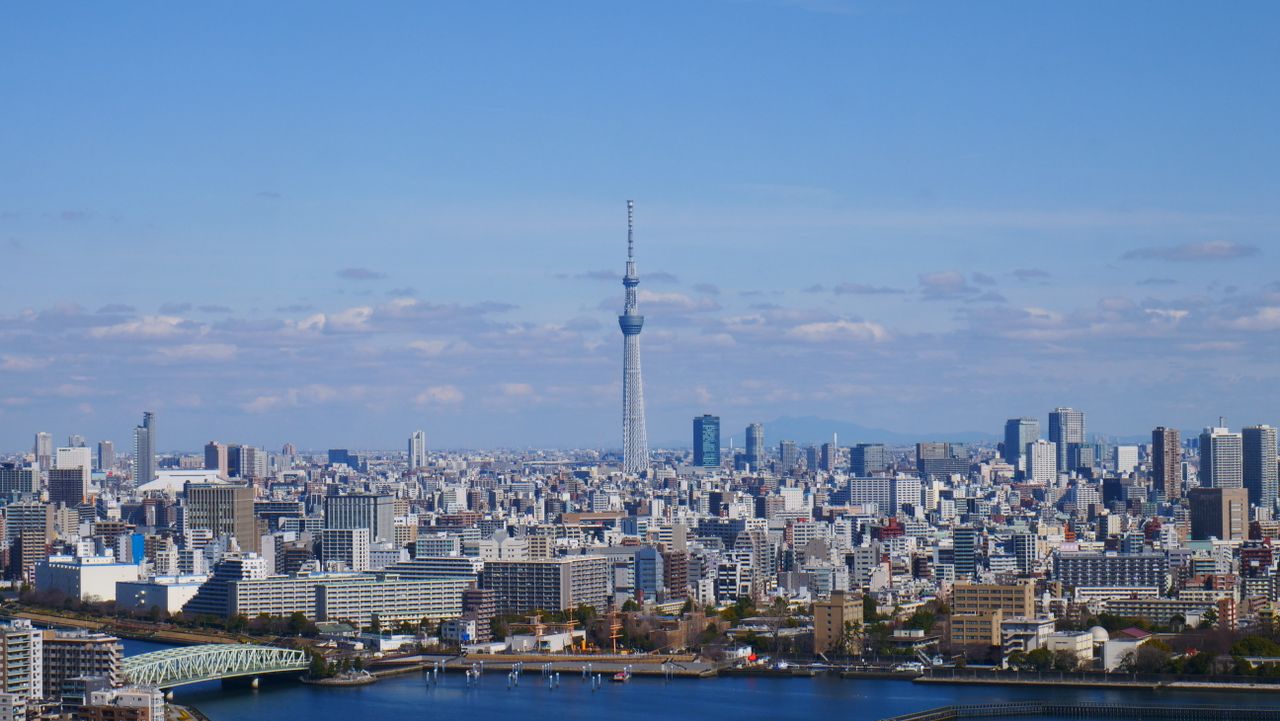
Dry, cold and the clearest skies of the year, with Fuji visible from the western suburbs. The city closes almost entirely for the first three days.
closedquiet
Verlässlichkeit: high
Notizen von Reisenden zu Präfektur Tokio im Januar
A resident's description of a typical January day is the most useful thing on the thread: "the day would start very cold around 0°C, but the continuing sunshine could warm the air up to 10°C" — and if it's cloudy instead, "the temperature would stay around 5°C the whole day." So the sun does the work. What surprises people expecting a grey northern winter is how clear it is: dry air, "no snow and no rain, and even no clouds," completely blue skies. Snow is the exception, not the rule — "it usually won't snow apart from 1–2 exceptional days in January and February" — and rain "can happen, but not often." Wind is described as mild. Long sleeves, a sweater and a coat cover it. Our record agrees on the shape: 8.5°C days, 0.3°C nights, only 6.4 rain days and 7.6 hours of sun.
Andere Monate in Präfektur Tokio
Tokyo-forum threads asking if August really is that hot get a consistent yes, posters comparing the combination of heat and humidity to Houston or Dallas at their peak, occasionally worse. A long, steady multi-day soak is called rare unless a typhoon happens to track nearby - the more typical pattern is a sudden, heavy afternoon squall once the air turns oppressively muggy, clearing within an hour or so. The Obon holiday falls mid-month, when many businesses close and inter-city trains get noticeably more crowded. Regulars recommend planning around the worst midday heat - museums, department stores and shaded shrine grounds over long outdoor stretches - and treating frequent convenience-store stops for cold drinks as a genuine survival strategy. The record: 32.1C days feeling like a punishing 37C, 24.6C nights, 116mm across 11.6 days, an 28.8C sea, 80 percent humidity and 9.9 hours of sun.
Tokyo-forum threads on February weather describe a month that's genuinely cold but reliably clear - sunny, dry, 'brisk' days rather than the grey damp of a European winter. The packing advice is thorough: a proper coat, thermal base layers, gloves and a scarf for outside, but posters are equally insistent that trains and indoor spaces run heated to the point of overheating, so the layers need to come off easily rather than staying zipped up all day. The payoff for the cold is lower crowds than any other season. The record: 11.6C days feeling like 8C, 2C nights, 48mm of rain across 7.1 days, 3.8cm of snowfall and 8.4 hours of sun - genuinely cold, with enough rain and a little snow mixed through the month's clear stretches.
Tokyo-forum threads on Golden Week (the run of holidays through early May) make a distinction worth knowing: Tokyoites leave the city for the break, so ordinary neighbourhoods and trains actually get quieter even as sightseeing spots and shopping districts fill with domestic travellers. Regulars steer visitors toward the second half of the month instead, once the holiday clears, for the same pleasant weather with thinner crowds. May's record: 24.1C days, 14.9C nights, 128mm of rain across nearly twelve days, 8.7 hours of sun and an AQI of 75 - warm and humid enough to read as early summer, not spring.
Forum posters consistently rate October as one of the best months to visit Japan, with average Tokyo temperatures around 17C - not too hot, not too cold. Posters describe early October as sometimes still a bit warm, cooling further as the month progresses, with short sleeves comfortable by day and a jacket or sweater needed once temperatures drop at night. Posters generally describe October and November as reliably dry with great weather, though they flag a real caveat: lingering typhoon risk means rainfall totals can vary a lot from year to year even in this generally favorable stretch. Posters consistently note October isn't Tokyo's busiest tourist season, a real bonus alongside the comfortable weather.
Die ganzjährigen Notizen findest du auf der Übersichtsseite zu Präfektur Tokio. Schreib deine eigene Notiz – direkt auf der Karte, bei Präfektur Tokio.
Klimanormalwerte Präfektur Tokio – Januar
Monatliche Durchschnittswerte aus der ERA5-Reanalyse. Der AQI ist der mittlere US-Luftqualitätsindex des Monats.
Andrang in Präfektur Tokio im Januar
Wie voll der Ort selbst ist – Schul- und Massenferien, die Monate, die die Redaktion markiert hat, und wie begehrt das Wetter sie macht. Fließt nie in den Komfort-Score ein.
Ruhiglaut Redaktion ein ruhiger Monat, New Year shutdown, Winter break (fuyuyasumi) in Japan
HochbetriebViel losZwischensaisonRuhig
Die besten Monate fürs Wetter in Präfektur Tokio
Gerankt nach dem Klimakomfort-Score dieses Reiseziels übers Jahr – etwas anderes als der Andrang (siehe Andrang oben).
Ordentliches WetterDas beste Wetter hat Präfektur Tokio im April, Mai und November – getrennte Zeitfenster, keine durchgehende Saison.
Bestes WetterOrdentliches WetterSchwierigstes Wetter
Was ist los in Präfektur Tokio im Januar
Wiederkehrende saisonale Events, Naturschauspiele, Schließungen und Feiertage – kuratiert und mit Quelle.
- Feiertag
New Year shutdown
29. Dez. – 3. Jan.SchulferienSchließungenThe city closes almost completely for the first three days of January: offices, most restaurants, many museums. The shrines are the exception and they are packed. Quelle ↗
In der Nähe ist was los
Im Umkreis von 300 km um Präfektur Tokio – ein Tagesausflug oder ein kurzer Abstecher – mit etwas, das diesen Monat los ist. Fließt nie in den Komfort-Score ein.
Wo liegt Präfektur Tokio?
Präfektur Tokio im Januar – häufige Fragen
- Ist der Januar eine gute Reisezeit für Präfektur Tokio?
- Januar in Präfektur Tokio: kalt, etwas Regen – eine gute Reisezeit. Beim Komfort-Score von SeasonMap liegt der Monat für Präfektur Tokio auf Platz 9 von 12 (67/100).
- Wie ist das Wetter in Präfektur Tokio im Januar?
- Im Januar liegen die Tageshöchstwerte in Präfektur Tokio im Schnitt bei 10.3°C und die Tiefstwerte bei 1.1°C, mit rund 51.6 mm Regen an etwa 5.8 Regentagen.
- Wie ist die Luftqualität in Präfektur Tokio im Januar?
- Präfektur Tokio hat im Januar einen mittleren US-Luftqualitätsindex (AQI) von etwa 80.
- Schneit es in Präfektur Tokio im Januar?
- In Präfektur Tokio fallen im Januar rund 3.2 cm Schnee.
Im Umkreis von 300 km: Nikko: Yunishigawa Kamakura Festival, etwa 25. Jan. – 2. März und Karuizawa: First lifts in Japan, 1. Nov. – 31. März.