西雅图逐月天气
西雅图最佳旅行时间是6月至8月——7月得分 97/100,最高 25°C,1 个雨天。 最佳季节是夏季,也就是6月至8月(平均 95/100)。
最差的月份是12月,49/100——寒冷、多雨、空气清新。 查看12月 →
更新于 2026年9月 · 气候平均值来自 ERA5 再分析
在规划更长的行程? 美国最佳旅行时间 →
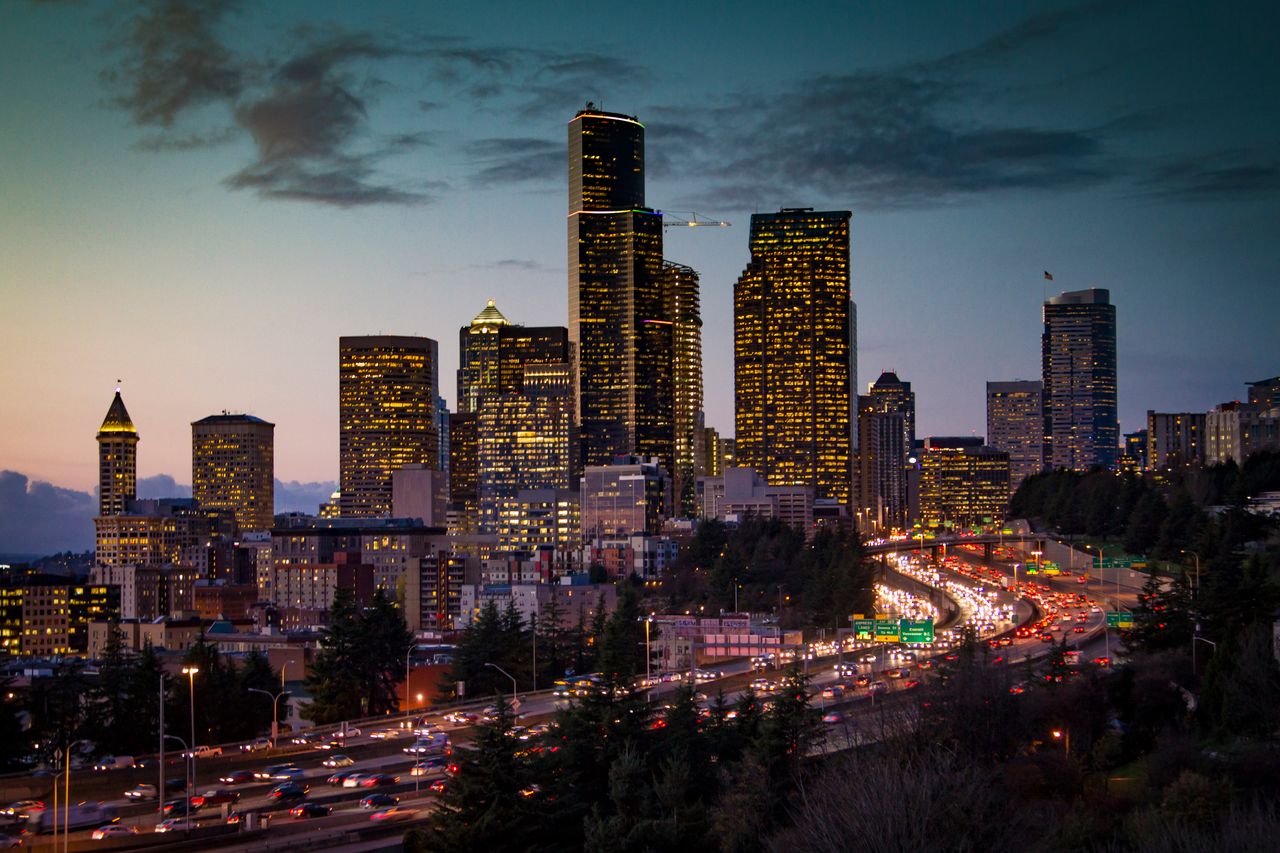
西雅图Seattle, United States🇺🇸 美国 · 太平洋西北地区 · 城市97
最佳季节:6月至8月(平均 95/100)· 最差12月(49/100)
- 白天
- 25°C
- 夜间
- 14°C
- 雨天
- 1
- 日照
- 12.6 h
- 湿度
- 66%
- 白昼时间
- 16 h
西雅图逐月一览
按西雅图最适合的行程类型算出的 0–100 舒适度分数,加上气候平均值里的平均最高气温、雨天数和每日日照时数,以及人潮通常的情况。
西雅图全年有什么活动
节庆、自然奇观、假期,以及要留意的季节——经过编辑筛选并附上来源。细节见各月份页面。
- 3月
- Cherry blossom on the UW Quad3月18日 – 4月10日(通常)自然
- 4月
- Skagit Valley tulips4月1–30日自然
- 5月
- Seattle International Film Festival5月8–26日(通常)节庆
- Northwest Folklife5月22–31日(通常)节庆
- Junuary5月25日 – 7月4日(通常)季节
- 6月
- Fremont Solstice Parade6月15–22日(通常)节庆
- Salmon at the Ballard Locks6月15日 – 9月20日(通常)自然
- 7月
- Seafair7月28日 – 8月9日(通常)节庆
- Mount Rainier wildflowers7月15日 – 8月20日(通常)自然
- Independence Day7月3–5日假日
- The dry months7月5日 – 9月15日(通常)季节
- 8月
- Bumbershoot9月5–6日节庆
- Wildfire smoke8月1日 – 9月20日(通常)风险
- 10月
- Fall colour in the Arboretum10月10日 – 11月10日(通常)自然
- 11月
- Thanksgiving11月25–29日假日
- Winter storms and pass closures11月1日 – 2月28日(通常)风险
还有 1 项。 西雅图全年所有活动 →
西雅图在7月的人潮
这里看的是地方本身有多热闹——学校假期和全民假期、编辑标注的月份,以及天气让它有多抢手。人潮从不计入舒适度分数。
人潮高峰Independence Day、Mount Rainier wildflowers、美国的Summer break(估算)
123456789101112
人潮高峰人多平季人少
去西雅图之前该知道的事
来自旅行者自己写下的游记,原文引用并附上链接。
风俗与礼节
Local reporting confirms a genuine, if slightly exaggerated, Seattle stereotype: many locals really do skip umbrellas in favor of a hooded waterproof jacket, since the city's rain typically arrives as a persistent light mist rather than a hard downpour, making an umbrella feel like more hassle than protection. The reasoning goes beyond just toughness - Seattle's urban wind gusts can flip an umbrella inside out on crowded downtown sidewalks, and umbrellas become genuine obstacles when everyone's navigating a busy crosswalk. The piece is clear this isn't universal or enforced, just common enough that carrying an obvious umbrella can mark you as visibly not-from-here, similar to a small local tell rather than a real rule. Posters generally recommend a proper rain shell with a hood as the more practical, locally-blended-in choice for a Seattle visit, saving the umbrella for genuinely heavy, rare downpours rather than the city's default drizzle.
西雅图的旅人笔记
去过的人怎么说——先是全年通用的笔记,再逐月来看。
The stereotype of Seattle weather is that it is Rain City, where the sky is always grey, rainy, and depressing. Despite the reputation, the main challenge of Seattle's weather is more the overcast skies than the rain, and in fact Seattle has less annual rainfall than most cities east of the Rocky Mountains. Seattle's rain usually comes in a drizzle that lingers for days, which only occasionally strengthens to a full-blown torrent that rarely lasts long. Many residents call this period of overcast "the season of grey" as it lasts from late October to early March every year. The season is also accompanied by the short daylight hours of the winter, where its only light out from 7:45AM to 4:30PM. It may surprise you that rain is virtually absent from July through September, making Seattle an excellent place to spend summer. It's warm and comfortable a decent amount of the time, with little to moderate humidity, with average summer highs of and lows of .…
Regulars are precise about January and want you to stop worrying about the rain: "historical rain in January is a little over 5 inches spread out over 18 days" — roughly a third of an inch a day, "mostly a drizzle." It does not rain daily and it does not rain all day; some Januaries deliver glorious sunny cold ones. It also rarely falls below freezing or snows. What they say actually gets to people is the light: "it gets dark here at 4:15pm on our shortest days," about 8.75 hours between an 8am sunrise and a 4:45pm sunset, and the most-disliked thing about the month isn't the weather but that "the days are so very short." Our record has 8.9 daylight hours, 19 rain days and 8°C days — the numbers say the same thing the forum does.
Seattle forum threads describe February as genuinely mixed - some stretches bring drizzly, overcast, grey days typical of the region's wet season (which runs roughly mid-October through April), while other years bring a welcome week or so of milder, lighter-sun weather that winter-weary locals specifically look forward to. Snow chances were described as relatively low by this point in winter, with January and early February the more likely window for any accumulation. One consistent tip from posters familiar with the wider region: the northern Olympic Peninsula tends to run drier and sunnier than Seattle proper in February, a worthwhile alternative for anyone chasing better odds of sun.
Regulars describe this as the most variable month of the year here, unlike the more settled fall and winter, with two genuinely distinct outcomes possible on any given day - sunny and into the low 70s Fahrenheit, or overcast with highs stuck in the upper 50s to low 60s. Our row backs the mild, changeable average across that range, 19.1C over 9.5C nights, with 34mm of rain across 5.3 days. Regulars are consistent this is still a genuinely good time to visit, flowers in full bloom and springlike energy throughout the city, with layering the standard advice given how unpredictable a specific day can turn out. The record: humidity 74 percent, 10.8 hours of sun, a 12.6 kph wind and AQI 44.
Juneuary is the local word for the version of this month that feels like January, and the local claim is that summer does not start until the 5th of July - the same joke the Portland board tells, two hundred kilometres south. The instruction that follows is precise: the 30th of June is a different month from the 1st, so come at the end. Our row is kinder than the nickname. Rain is 29.5mm across 5.1 days, and there are 11.6 hours of sun inside 15.9 of daylight, so the grey is brief showers between sun breaks rather than a ceiling. What June lacks is warmth - 21.6C by day, 12C at night. The record: humidity 71 percent, a 12.5 kph wind and AQI 39.
Seattle's reputation for rain simply doesn't apply in July, and the forum is emphatic about it: the dry, sunny stretch runs from around mid-June into October, with July and August the warmest and least wet months of the year. Regulars pin the switch to roughly 8 July, after which reliably warm, sunny weather sets in, and single out the last week of July and first week of August as the best of it. The real averages back them up — highs around 25°C and rain on only about four days in the whole month.
Seattle-forum threads on August are almost giddy about the weather - this and the two months around it are the reliably dry, sunny stretch of the year, with posters calling a soggy day genuinely rare and temperatures running warm without the humidity that makes other cities miserable in summer. The one recurring caveat has nothing to do with rainfall: more than one thread flags wildfire smoke as the real risk, a haze that can roll in and ruin an otherwise perfect week with no warning. Cruise-ship crowds pack Pike Place Market and the Space Needle on port days. The record backs the dry read completely: 25.2C days, 14.7C nights, just 12mm total across 1.6 days, 11.4 hours of sun and an AQI of 44 - though that AQI can spike hard on a bad smoke day, which the average doesn't show.
Regulars call this one of the city's best-looking months on paper, and are specific about why: the rains that define this region typically hold off until mid-October, and the first week of the month is often the driest and warmest stretch, with the back half cooling off a little as it goes. Our row backs the shift, 21.4C over 12.3C nights, with 35.5mm of rain across 5.6 days - a real total, but light next to what regulars describe arriving a month later. Evenings call for a light jacket or sweatshirt once the sun goes down. The one caveat some years bring is wildfire smoke drifting in from regional fires, not present every September but enough that regulars mention checking air quality before a trip built around outdoor views. The record: 9.5 hours of sun, a 12.3 kph wind and AQI 40.
在地图上西雅图的卡片里写下你自己的笔记。