大阪市逐月天气
大阪市最佳旅行时间是4月、5月和11月——11月得分 84/100,最高 19°C,6 个雨天。 最佳季节是春季,也就是3月至5月(平均 80/100)。
最差的月份是7月,51/100——酷热、雨量惊人、空气闷湿。 查看7月 →
Japan's kitchen: a flat, loud, food-first city with a canal-side entertainment district and none of Kyoto's reserve.
更新于 2026年9月 · 气候平均值来自 ERA5 再分析
在规划更长的行程? 日本最佳旅行时间 →
最佳季节:3月至5月(平均 80/100)· 最差7月(51/100)
- 白天
- 19°C
- 夜间
- 11°C
- 雨天
- 6
- 日照
- 7.8 h
- 湿度
- 76%
- 白昼时间
- 10 h
大阪市逐月一览
按大阪市最适合的行程类型算出的 0–100 舒适度分数,加上气候平均值里的平均最高气温、雨天数和每日日照时数,以及人潮通常的情况。
大阪市每个月是什么样子
由 SeasonMap 编辑根据当地实际情况写成——不是从平均值推算出来的。
- 1月
Cold and dry. The city closes for the first days of the year, then Toka Ebisu draws big crowds to Imamiya shrine in the second week.
festivalclosed
- 2月
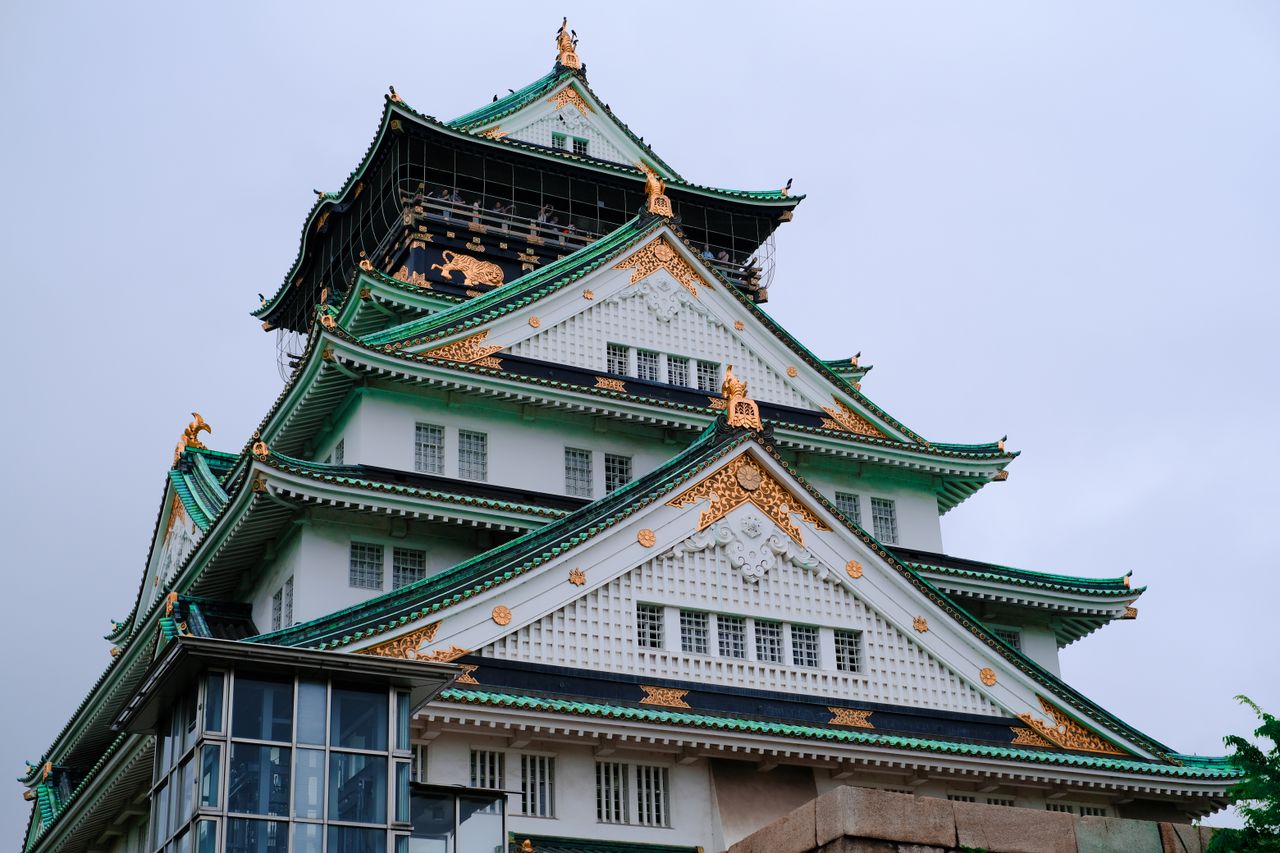
The coldest and cheapest month, with plum blossom at Osaka Castle from the middle of it.
blossomlow season
- 3月
Blossom opens in the last days of the month, the food streets fill and the baseball season starts.
blossomshoulder
- 4月
Cherry blossom usually peaks in the first week, and the Mint Bureau's late-flowering avenue opens to the public shortly after.
blossompeak
- 5月
Warm, dry and comfortable, apart from Golden Week in the first week when the whole country is travelling.
holidaypeak
- 6月
The rain season sets in around the second week: humid, grey and quiet, and the covered arcades come into their own.
monsoonlow season
- 7月
Tenjin Matsuri on 24-25 July puts boats and fireworks on the river, in serious heat and humidity.
festivalpeak
- 8月
The hottest and most humid month, with typhoon risk, and Obon in the middle emptying the offices.
typhoonholiday
- 9月
Still hot and still in typhoon season; the heat breaks only in the last week.
typhoonlow season
- 10月
Clear, dry and warm: the best month here, with the festival season on and almost no rain.
peak
- 11月
Cool, dry and bright, with autumn colour in the city parks during the second half of the month.
harvestshoulder
- 12月
Cold, dry and lit up, with the food streets busy right up to the point the city shuts for New Year.
festivalclosed
大阪市全年有什么活动
节庆、自然奇观、假期,以及要留意的季节——经过编辑筛选并附上来源。细节见各月份页面。
- 1月
- Toka Ebisu1月9–11日节庆
- 2月
- Plum blossom at the castle2月10日 – 3月15日(通常)自然
- 3月
- Cherry blossom3月25日 – 4月10日(通常)自然
- 4月
- Golden Week4月29日 – 5月5日假日
- Mint Bureau cherry passage4月9–15日开放
- 6月
- Tsuyu rain season6月5日 – 7月20日(通常)季节
- 7月
- Tenjin Matsuri7月24–25日节庆
- 8月
- Obon8月13–16日假日
- Typhoon season8月1日 – 9月30日(通常)风险
- 9月
- Kishiwada Danjiri Matsuri9月18–20日节庆
- 11月
- Autumn colour11月15日 – 12月5日(通常)自然
- 12月
- New Year shutdown12月29日 – 1月3日停业
大阪市在11月的人潮
这里看的是地方本身有多热闹——学校假期和全民假期、编辑标注的月份,以及天气让它有多抢手。人潮从不计入舒适度分数。
平季夹在两个高峰之间
人潮高峰人多平季人少
去大阪市之前该知道的事
来自旅行者自己写下的游记,原文引用并附上链接。
吃喝
A traveler recounts burning the roof of her mouth on her very first takoyaki in Dotonbori, not realizing how long the molten octopus-batter filling stays scalding hot inside its crisp outer shell - a mistake she notes nearly every first-timer seems to make while getting jostled by the dense crowds along the strip. She describes Dotonbori itself less as a single food street and more as a full sensory event: absurdly long lines forming at whichever takoyaki stall is currently trending, grilled crab, roasted chestnuts, gyoza and dango stalls packed shoulder to shoulder along the canal. Her practical tip after the burn: let takoyaki sit and cool for a solid minute before biting in, no matter how good it smells straight off the grill, and don't be afraid to eat standing at the stall rather than trying to find a place to sit, since that's how most locals actually eat it there. Posters generally rate Dotonbori as an essential, if chaotic, first stop for Osaka street food, the crowds and the heat both part of the experience rather than a flaw.
大阪市的旅人笔记
去过的人怎么说——先是全年通用的笔记,再逐月来看。
Osaka forum threads describe January as cold but usually clear, with typical temperatures cited around 6-10C, though one visitor reported nights down to 3C and days around 11-13C that felt colder still due to wind. Posters noted Osaka runs slightly colder than Tokyo, though several specifically said visitors from colder climates like Toronto would find it entirely manageable. Real snow was described as rare in the city, with one poster reporting very light snow experienced in both Osaka and Kyoto during a mid-January visit, but major snow accumulation was called uncommon. A practical detail repeated across threads: it gets dark shortly after 5pm, and many temples and shrines close around 4:30-5pm, so posters recommended planning sightseeing with the early sunset in mind.
Late March here swings hard - one day mild, the next genuinely cold - and regulars pack for both: long sleeves, a sweater, a light jacket and something that rolls up small. Our row gives 15.7C reading as 14C and 7C nights that feel like 4C, with 104.6mm of rain across 9.9 days, so the umbrella is not optional either. On the blossom they are careful: the trees will be somewhere between budding and open depending on the year's warmth, and the forecast is the only guide. This is the same caution kagoshima/3 records further south, where the season starts earlier. The record: humidity 72 percent, 8.4 hours of sun and AQI 64.
April in Osaka is the blossom month with a deadline attached. Regulars put the season from the end of March to about mid-April and are blunt that by the 15th to the 22nd you have missed it in the city; Mount Yoshino in Nara is the day trip they send late arrivals on. The temperatures they give - 10 to 20C - bracket our row's 11.9C nights and 21C days, and the packing follows from that: layers, long sleeves over a t-shirt, a jumper or light jacket for the evening, and no need for a proper coat. The item they insist on is a rain jacket, because April here is wet - our row carries 137.3mm across 9.8 days. The record: 8.9 hours of sun, humidity 72 percent and AQI 70.
Osaka's forum calls May close to the best month of the year — T-shirt weather by day, a light jacket worth carrying for evenings, and the rainy season not arriving until early June. Regulars note it can still swing a few rainy days into an otherwise sunny week, so a foldable umbrella is standard advice.
Regulars rate October among the best months here - warm clear days, cool but not cold evenings, few tourists and no major holidays - and add two corrections. Typhoons rarely reach this far into the month; they usually finish earlier, and a late one is likely just a day of rain. And there is no autumn colour yet: the leaves in Osaka and Kyoto do not turn until mid-November, so anyone booking October for foliage has the wrong month. Our row queries their word dry, at 170.9mm across 11.5 days under 7.7 hours of sun, though the temperature matches at 24.3C over 16.6C. A light jacket and a sweater, not a coat. The record: humidity 77 percent, a 22.7C sea and AQI 55.
Osaka forum regulars rate November among the best months of the year: not too cold, not too warm most of the days, typically “15 to 18 degrees around the middle of November,” with the fall colour as much a draw as the temperature. A long-sleeve shirt and a light jacket cover most days; a down jacket is optional depending on tolerance, since it doesn't have to be freezing to feel cold, especially at night. The trade for the ideal weather: peak tourist season, so early hotel bookings and larger crowds at the major sights are the expected cost. The best foliage shows up late in the month, and by mid-November viewing spots have shifted to higher elevation as lower-elevation colour fades. Our record: 16.9°C days, 9.3°C nights, 6 rain days and 8 hours of sun — mild and mostly dry, matching the “one of the best months” read closely.
Regulars are specific that the coldest winter stretch usually doesn't set in until late December, and even then it isn't brutal, especially during the day - mornings can start in the low single digits Celsius before climbing to a manageable afternoon. Our row backs that cool-not-harsh read, 12.9C over 5.5C nights feeling 3C, with 49.3mm of rain across 5.6 days and only a trace of snow, 0.2cm, matching regulars' consensus that real snow in the city itself is genuinely rare. Regulars are consistent that conditions stay dry and often sunny rather than gray, a real upside for a December city trip. A warm layer for the evenings is the standard packing tip, not a heavy winter coat. The sea sits at a cold 11.9C. The record: humidity 75 percent, 7.4 hours of sun, a 15.1 kph wind and AQI 56.
在地图上大阪市的卡片里写下你自己的笔记。