阿鲁沙逐月天气
阿鲁沙最佳旅行时间是6月至8月——7月得分 94/100,最高 22°C,1 个雨天。 最佳季节是旱季,也就是5月至10月(平均 90/100)。
最差的月份是3月,72/100——炎热、多雨、空气清新。 查看3月 →
更新于 2026年9月 · 气候平均值来自 ERA5 再分析
在规划更长的行程? 坦桑尼亚最佳旅行时间 →
阿鲁沙Arusha, Tanzania🇹🇿 坦桑尼亚 · 东非 · 徒步94
最佳季节:5月至10月(平均 90/100)· 最差3月(72/100)
- 白天
- 22°C
- 夜间
- 15°C
- 雨天
- 1
- 日照
- 10.2 h
- 湿度
- 73%
- 白昼时间
- 12 h
阿鲁沙逐月一览
按阿鲁沙最适合的行程类型算出的 0–100 舒适度分数,加上气候平均值里的平均最高气温、雨天数和每日日照时数,以及人潮通常的情况。
阿鲁沙全年有什么活动
节庆、自然奇观、假期,以及要留意的季节——经过编辑筛选并附上来源。细节见各月份页面。
阿鲁沙在7月的人潮
这里看的是地方本身有多热闹——学校假期和全民假期、编辑标注的月份,以及天气让它有多抢手。人潮从不计入舒适度分数。
人潮高峰Safari high season、坦桑尼亚的Mid-year break、主要客源市场中有 5 个正逢学校假期(估算)
123456789101112
人潮高峰人多平季人少
去阿鲁沙之前该知道的事
来自旅行者自己写下的游记,原文引用并附上链接。
钱的事
A family travel guide to Arusha flags a detail worth planning around: it's the last place with reliable banks before heading into the national parks, so it's worth withdrawing cash here rather than counting on ATMs further along the safari route, since machines out that way tend to run dry. Their other packing tip was to bring a light jacket or sweater despite Tanzania's tropical reputation, since Arusha's altitude makes evenings surprisingly chilly compared to the humid coast.
阿鲁沙的旅人笔记
去过的人怎么说——先是全年通用的笔记,再逐月来看。
Forum posters describe January as northern Tanzania's short-rains/green season, generally the hottest and most humid stretch of the year, with daytime highs commonly cited in the 80sF and occasional short downpours especially likely around Ngorongoro Crater. Posters break down nearby safari-circuit conditions by location: the Serengeti runs around 29C by day and 17C at night, Ngorongoro Crater a cooler 25C day/14C night given its elevation, and Tarangire generally warm with only slightly cooler mornings and evenings. Posters consistently recommend layering for game drives - lightweight shirts and convertible pants for the heat of the day, with a warm fleece or jacket for genuinely cool early-morning and evening drives regardless of how hot the afternoon gets. The lush, green January landscape is named as a real plus for wildlife photography, coinciding with wildebeest calving season in the southern Serengeti.
Arusha-forum threads on February weather describe mornings and late evenings as genuinely cool, posters calling a fleece or light jacket standing advice for early safari departures even though afternoons warm up considerably. Regulars call this generally still a strong month for wildlife viewing and calving season further into the Serengeti and Ndutu, though Tarangire specifically gets more consistent rain and is sometimes recommended against this time of year. Posters describe conditions as a real mix of sun and passing showers, nothing that should derail a planned day. Regulars call Ngorongoro and the Serengeti the more consistently recommended options over Tarangire. Posters recommend a lightweight rain jacket alongside warmer layers for chilly mornings, both genuinely useful across a single day. Regulars call Arusha a comfortable, practical base for onward logistics. The record: 28C days feeling like 30C, 16.5C nights, 67.6mm across over 8 days and 63 percent humidity.
Arusha-forum threads on March weather describe conditions as genuinely warm, posters calling showers a real possibility though not the day-after-day monsoonal pattern some travelers expect. Regulars call the migration positioned in the Ndutu area of the southern Serengeti this month, a real factor for anyone planning a March safari through an Arusha-based operator. Posters recommend Arusha primarily as a safari staging point rather than a standalone destination, several regulars describing limited standalone attractions in the town itself. Regulars recommend confirming guide and driver credentials directly before booking, multiple threads specifically discussing reputable operator recommendations. Posters recommend real insect protection regardless of the season, mosquitoes flagged repeatedly as a standing concern in and around town. The record: 27.7C days feeling like 30C, 17.2C nights, an extraordinarily high 144.7mm across nearly 15 days and 71 percent humidity.
Arusha-forum threads on an April visit describe nights as genuinely cool, posters naming a range of thirteen to eighteen degrees with the Ngorongoro Crater rim dropping as low as eleven. Regulars call daytime genuinely comfortable by contrast, several posters naming twenty-five to twenty-eight degrees as standard and recommending shorts and sandals with a fleece for evenings. Posters call April genuinely peak long-rains season, several regulars naming rain most days but rarely lasting all day, with animals still visible and storm-cloud light making for vivid photography. Regulars call a lightweight quick-drying rain poncho genuinely handy, several threads naming this as most lodges only supply umbrellas. Posters recommend long trousers and sleeves in the evening, several regulars calling this standard given real mosquito activity after dark. The record: 24.8C days, 17.7C nights, an extraordinarily high 156mm across nearly 24 days and 82 percent humidity.
June opens the long dry season on the northern circuit that Arusha is the gateway to, and the forum's verdict is that weather is close to a non-problem from June through September - mild, reliable, and the country drying to its characteristic dun brown by the middle of the month. The June-specific caveat is the grass. It is still long this early, which makes animals harder to spot than later in the dry, when they concentrate on whatever water is left. The other cost is people: dry season means more of them and higher rates. The record for Arusha itself: 22.1C days that feel like 21C, 15.1C nights, 2.6 precipitation days carrying 7.9mm, humidity 76 percent and 10.1 hours of sun.
Arusha's forum calls July one of the coolest, driest months in northern Tanzania — reliable dry-season safari weather, with essentially no rain to interfere with game drives. Regulars flag mornings and evenings as genuinely cold, especially at elevation, sometimes down near 40°F, with silk long underwear, gloves and a fleece under a jacket standard for early drives even as midday warms into the upper 70s°F.
Arusha-forum threads on September safari planning are consistent this is one of the strongest months of the year, cool mornings and evenings giving way to warm, sunny days across the northern circuit Arusha serves as the main gateway town for. Posters call the thinning vegetation a real advantage for wildlife viewing, animals concentrating around remaining water sources rather than scattered through dense growth. Regulars are direct this overlaps with the tail end of the river-crossing season further north in the Serengeti-Mara ecosystem, real crowds and higher rates the tradeoff for what posters call practically ideal conditions. Arusha itself is a comfortable, walkable base for organizing gear and permits before heading out, with a wide range of tour operators clustered around the town center. Regulars call booking well ahead essential given how popular this stretch runs. The record: 25C days feeling like 25C, 15.2C nights, a very low 64 percent humidity and 9 hours of sun.
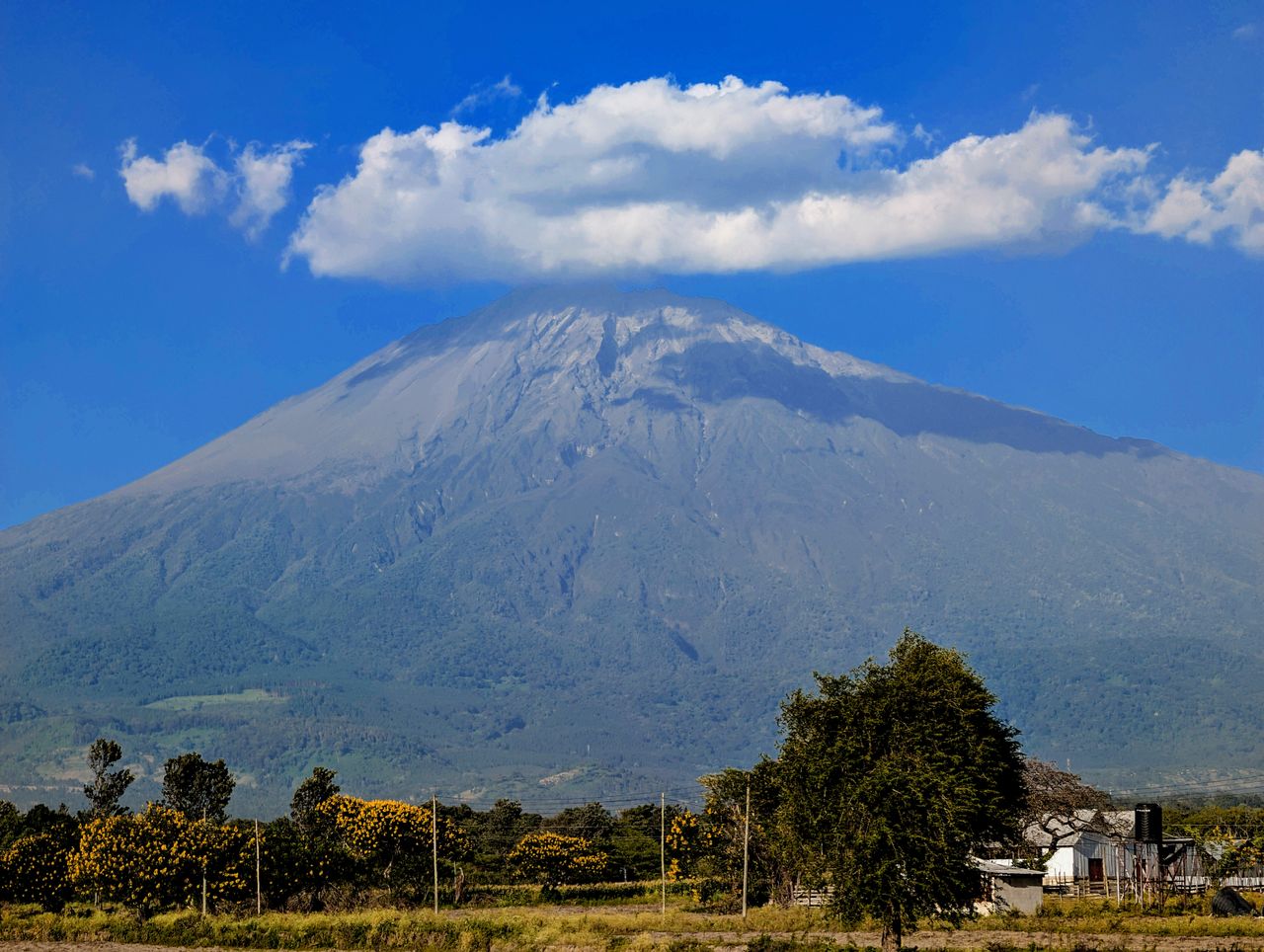
Arusha-forum threads on views of Kilimanjaro from town are candid a clear sighting is genuinely rare, the mountain usually shrouded in cloud even on an otherwise sunny day. Posters describe October conditions in Arusha as comfortably warm, the wetter pattern building through the second half of the month still mostly holding off in the first couple weeks. Regulars call October a real transition, the short rains typically arriving mid-month on the mountain and pushing anyone climbing toward real rain gear regardless of a favorable forecast at sea level. Posters recommend layering for the safari drives, mornings noticeably cooler than the warm midday sun suggests. Regulars call Arusha's role as the gateway town the genuine draw, most visitors passing through en route to the parks or a Kilimanjaro attempt. Posters recommend an early-October trip over late for the better odds. The record: 26.6C days feeling like 27C, 16.2C nights, 65 percent humidity and 10.8 hours of sun.
在地图上阿鲁沙的卡片里写下你自己的笔记。