Pogoda Serengeti — styczeń
Serengeti, styczeń: ciepło, deszczowo, do tego czyste powietrze — znakomita pora na wyjazd.
Aktualizacja: wrzesień 2026 · normy klimatyczne z reanalizy ERA5
#6 z 12 miesięcy — Serengeti · #402 z 1413 kierunków na wyjazd — styczeń · komfort 83/100 (poziom A)
- Dni
- 27°C
- Noce
- 16°C
- Mokre dni
- 13
- Słońce
- 10.6 h
- Wilgotność
- 64%
- Długość dnia
- 12 h
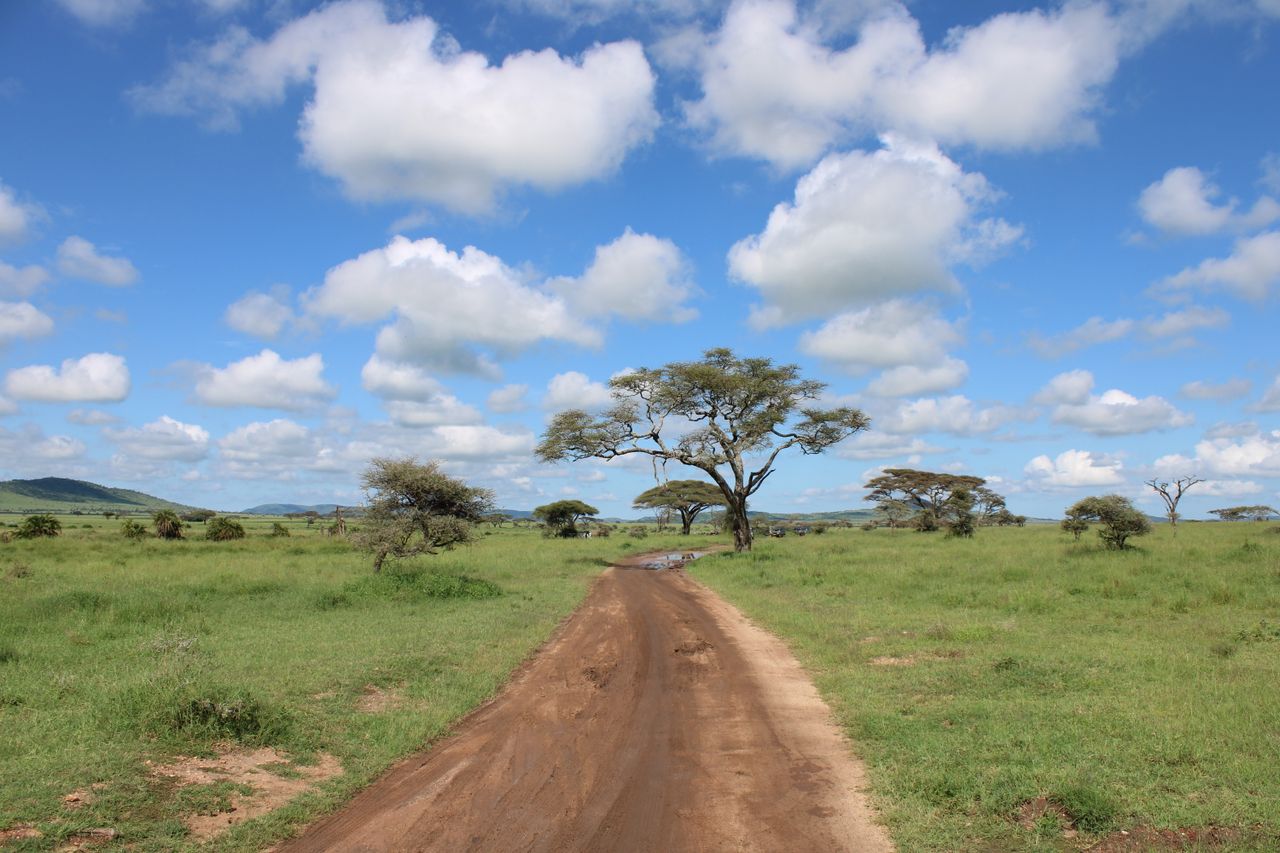
Relacje podróżnych — Serengeti, styczeń
Serengeti forum threads describe January as typically dry and can run genuinely hot, with the wildebeest herds concentrated in the southern plains around Ndutu and the northern Ngorongoro Conservation Area, grazing on lush grass ahead of calving. Posters were clear that the bulk of calving itself happens in a roughly two-to-three-week window in February, though early births can start showing up in late January - so a January safari catches the lead-up and setup for the spectacle more than the peak event itself. Regulars recommended late January into February for the best shot at witnessing actual calving if that's the specific draw.
Inne miesiące — Serengeti
Serengeti-forum threads on an April visit describe rain as genuinely not something that scares off the animals, posters naming this a real reason April still works well despite being deep in the wet season. Regulars call migration herds genuinely on the move by April, several posters naming a shift into the western-central Serengeti as calves from the earlier calving season grow stronger. Posters call the actual calving genuinely finished by this point, several regulars naming late January through early March as the real calving window rather than April. Regulars call warm days with afternoon thunderstorms a standard pattern, several threads naming a green, uncrowded landscape as the payoff for visiting during the rains. Posters recommend real flexibility around migration location in April, several regulars calling this standard given how much herd movement depends on where rains are heaviest. The record: 27.1C days, 16.7C nights, 122.1mm across over 15 days and 69 percent humidity.
Serengeti-forum threads on a May visit describe mid-May as the tail end of the long rains, posters calling showers still possible though usually short rather than lasting a full day. Regulars call the landscape genuinely lush by late May, high green grasses, trees in leaf and wildflowers scattered across the plains and crater floor. Posters call the migration herds typically found in the western corridor this month, though exact positioning shifts year to year depending on rainfall. Regulars call May a real value window, considerably fewer tourists and better lodge rates than the peak dry season draws. Posters recommend a strong guide as genuinely essential this month, several regulars calling guide quality the real determining factor for how much wildlife gets seen in May specifically. The record: 27.2C days feeling like 28C, 16.3C nights, 31.2mm across nearly 6 days and 61 percent humidity.
Serengeti-forum threads on March timing describe this as still genuinely strong for the Ndutu calving season, posters calling early March a real continuation of February's peak with plenty of calves and predator action still concentrated in the area. Regulars call location the biggest variable this late in the window, the herds beginning to shift depending on rainfall and where fresh grass comes up. Posters describe a typical March shower as a brief, dramatic afternoon thunderstorm or a light overnight system rather than an all-day soak. Regulars call the tall grass a real downside for spotting smaller animals, though it does concentrate wildlife along the roads. Posters recommend a guide with current knowledge of herd movement rather than assuming a fixed location holds. Regulars call March genuinely rewarding for anyone specifically chasing the calving spectacle. The record: 28.7C days feeling like 30C, 17C nights, 83.2mm across nearly 11 days and 60 percent humidity.
Serengeti-forum threads on September visits describe this as sitting solidly within the dry season, clear and sunny days the norm though posters call mornings and evenings genuinely chilly, warm layers essential for early game drives regardless of how warm the afternoon runs. Regulars call September noticeably cooler than October or April, several posters describing sweaters for dawn drives and a fleece worth keeping on hand around the crater rim. Posters describe the herds as generally starting their crossing back from the Mara by late September, dust also picking up, worth keeping gear covered. Regulars are direct any real system this early is genuinely unpredictable, some years seeing almost nothing through the month. Posters call September a reliably strong month despite the cool mornings. Regulars recommend real layers rather than assuming based on the warm midday temperature. The record: 29.5C days feeling like 30C, 16.9C nights, a low 45 percent humidity and 10.6 hours of sun.
Dodaj własną notatkę z karty miejsca na mapie — Serengeti.
Normy klimatyczne — Serengeti, styczeń
Średnie miesięczne z reanalizy ERA5. AQI to średni amerykański indeks jakości powietrza w tym miesiącu.
Serengeti, styczeń: tłumy
Jak tłoczno jest w samym miejscu — wakacje szkolne i święta masowe, miesiące oznaczone przez redakcję oraz to, jak bardzo pogoda podbija popyt. Nigdy nie wchodzi do wyniku komfortu.
Szczyt sezonuChristmas and New Year peak, December–January long break (Tanzania), ferie szkolne na 5 rynkach, które je zapełniają(szacunkowo)
Szczyt sezonuTłocznoSezon przejściowySpokojnie
Serengeti — najlepsze miesiące pod względem pogody
Ranking według własnego wyniku komfortu klimatycznego tego kierunku w skali roku — to co innego niż natężenie ruchu (zob. Tłumy powyżej).
Znośna pogodaSerengeti: pogoda nie waha się mocno w ciągu roku — komfort trzyma podobny poziom w każdym miesiącu.
Co się dzieje — Serengeti, styczeń
Powtarzalne wydarzenia sezonowe, spektakle natury, zamknięcia i święta — wybrane i ze źródłami.
- Przepis
Park permits run 24 hours
1 sty – 31 gruRezerwuj wcześnieThe conservation fee is valid for twenty-four hours from entry and the rangers check on the way out; overstaying buys another full day, and a day-trip permit is shorter again. It is why itineraries are built around gate times, not sunsets. Źródło ↗
- Natura
Wildebeest calving
15 sty – 15 mar · zwykleSezon dzikiej przyrodyRezerwuj wcześnieClose to half a million calves drop in a three-week burst on the short-grass plains around Ndutu, and every predator in the ecosystem is there for it. The exact fortnight moves with the rains, so camps sell the whole window.
- Natura
Migrant birding season
15 lis – 15 kwi · zwykleSezon ptakówEuropean and Asian migrants arrive with the short rains and stay until April, on top of the residents in breeding plumage. The wet months are the ones birders choose and the game drivers avoid.
- Święto
Christmas and New Year peak
20 gru – 5 styBoże Narodzenie i Nowy RokTłocznoRezerwuj wcześnieCamps charge festive rates and impose minimum stays over the fortnight, and the good ones are taken a year out. It falls between the rains, so the game viewing does not justify the premium. Źródło ↗
Niedaleko, a coś się dzieje
W promieniu 300 km — Serengeti: wypad na jeden dzień albo krótki skok, z czymś ciekawym w tym miesiącu. Nigdy nie wchodzi do wyniku komfortu.
Gdzie leży Serengeti?
Serengeti, styczeń — FAQ
- Serengeti: czy styczeń to dobry moment na wyjazd?
- Serengeti, styczeń: ciepło, deszczowo, do tego czyste powietrze — znakomita pora na wyjazd. Na skali komfortu SeasonMap Serengeti zajmuje 6. miejsce z 12 miesięcy (83/100).
- Serengeti, styczeń: jaka jest pogoda?
- styczeń: Serengeti ma średnią temperaturę maksymalną 27.1°C i minimalną 16.2°C, przy około 81.5 mm deszczu w ciągu mniej więcej 13.3 deszczowych dni.
- Serengeti, styczeń: jaka jest jakość powietrza?
- styczeń: Serengeti ma średni amerykański indeks jakości powietrza na poziomie około 40.
W promieniu 300 km: Ngorongoro: Calving on the Ndutu plains — mniej więcej 1 sty – 15 mar i Arusha: Wildebeest calving season — mniej więcej 20 sty – 15 mar.