Pogoda Park Narodowy Manuel Antonio — wrzesień
Park Narodowy Manuel Antonio, wrzesień: gorąco, ulewnie, do tego czyste powietrze — loteria: 30 deszczowych dni.
Aktualizacja: wrzesień 2026 · normy klimatyczne z reanalizy ERA5
#11 z 12 miesięcy — Park Narodowy Manuel Antonio · #1200 z 1413 kierunków na wyjazd — wrzesień · komfort 56/100 (poziom D)
- Dni
- 27°C
- Noce
- 22°C
- Mokre dni
- 30
- Słońce
- 7.2 h
- Wilgotność
- 93%
- Długość dnia
- 12 h
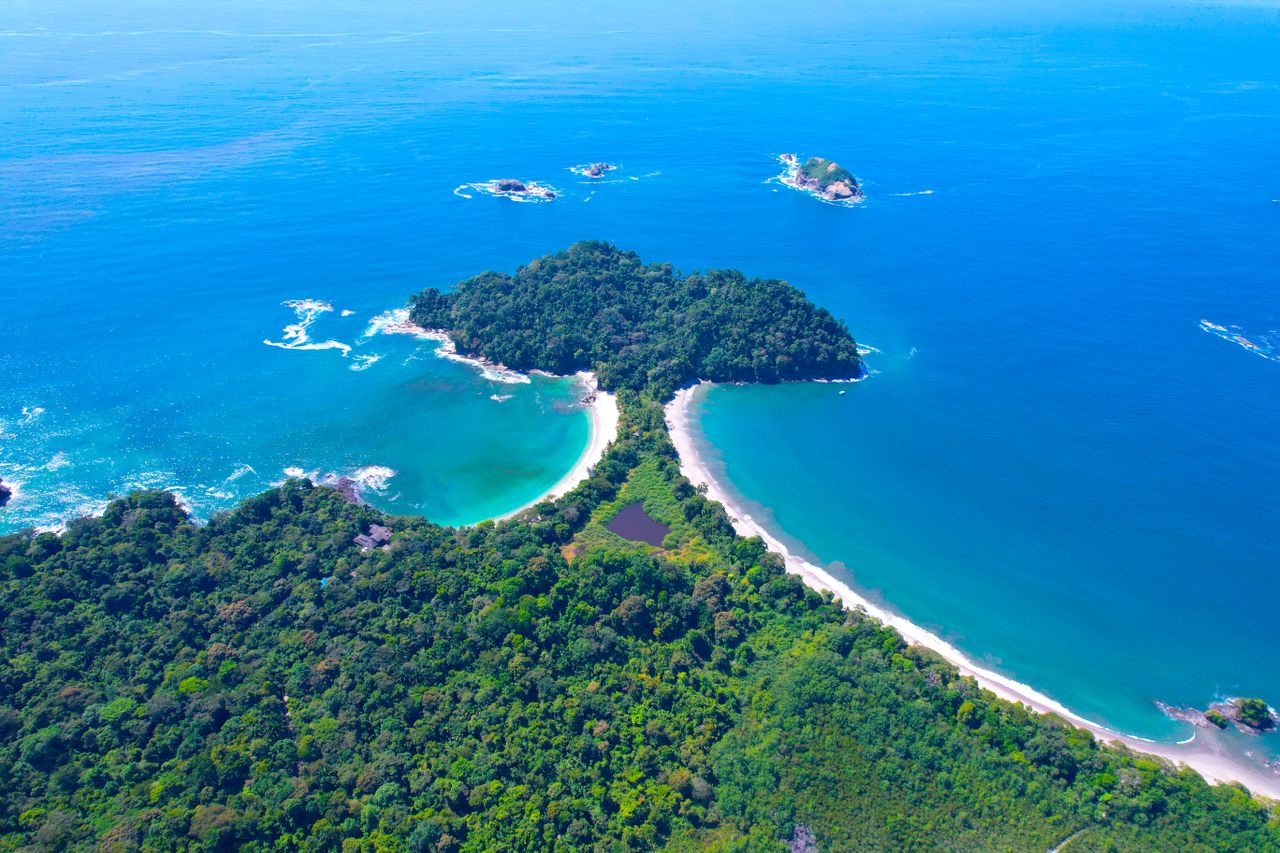
Relacje podróżnych — Park Narodowy Manuel Antonio, wrzesień
Relacje z pobliskiego miejsca: Monteverde (125 km stąd)
Park Narodowy Manuel Antonio nie ma jeszcze własnych relacji na ten miesiąc (wrzesień) — poniższe dotyczą pobliskiego miejsca: Monteverde, na tyle blisko, że sezon jest ten sam.
Monteverde-forum threads on September describe this as genuinely deep in the region's off-season, a real tradeoff of fewer crowds against a much higher chance of unsettled conditions on a given day. Posters are consistent showers here often fall overnight rather than through the day, so a visitor can still get a clear, workable stretch for the canopy walks and reserve trails even during a heavier week overall. One short-stay visitor called themselves lucky with a genuinely beautiful couple of days despite planning around the reputation. Regulars describe the elevation as keeping things noticeably cool whenever the cloud cover thins, real layers worth having regardless of how warm San Jose or the coast felt on the same trip. Unpaved roads into town are called noticeably trickier this time of year, a higher-clearance vehicle a real asset. The record: 23.5C days feeling like 25C, 17.9C nights, an extraordinarily high 391mm across nearly 29 days and 90 percent humidity.
Inne miesiące — Park Narodowy Manuel Antonio
Manuel Antonio's forum describes a fairly consistent August rhythm: clear, pleasant mornings, thunder rolling in over the mountains by early-to-mid afternoon, and rain arriving anywhere from 4 to 6pm that can continue into the night or clear up fast - though posters admitted the exact timing varies day to day and forecasts aren't reliable. The first half of the month tends to be somewhat less rainy than the back half. It's hot, humid and genuinely one of the wettest stretches of the year here, but the payoff repeated by multiple visitors is how lush and green everything gets - worth planning mornings for outdoor time and afternoons for a siesta.
Forum posters name February as the hottest month of the year here - typically 90-97F in the jungle, occasionally hotter right on the beach - and call it peak season for good reason, with humidity staying high (70%+) under blue skies dotted with big white clouds. Posters describe February as Manuel Antonio's driest month by local standards, though this is still a rainforest climate with real, near-daily rain even at its driest - the honest framing is 'least wet' rather than genuinely dry, since afternoon showers remain a common feature even in February, just shorter and less frequent than the region's true wet season (May-November). Posters are also emphatic that online weather forecasts for this area are essentially useless - conditions shift too fast and locally to trust anything beyond the broad seasonal pattern.
Dodaj własną notatkę z karty miejsca na mapie — Park Narodowy Manuel Antonio.
Normy klimatyczne — Park Narodowy Manuel Antonio, wrzesień
Średnie miesięczne z reanalizy ERA5. AQI to średni amerykański indeks jakości powietrza w tym miesiącu.
Park Narodowy Manuel Antonio, wrzesień: tłumy
Jak tłoczno jest w samym miejscu — wakacje szkolne i święta masowe, miesiące oznaczone przez redakcję oraz to, jak bardzo pogoda podbija popyt. Nigdy nie wchodzi do wyniku komfortu.
Spokojnieferie szkolne na 2 rynkach, które je zapełniają, jeden z najgorszych miesięcy pod względem pogody(szacunkowo)
Szczyt sezonuTłocznoSezon przejściowySpokojnie
Park Narodowy Manuel Antonio — najlepsze miesiące pod względem pogody
Ranking według własnego wyniku komfortu klimatycznego tego kierunku w skali roku — to co innego niż natężenie ruchu (zob. Tłumy powyżej).
Najtrudniejsza pogodaPark Narodowy Manuel Antonio: szczyt pogody przypada na okres styczeń–marzec — najlepiej: luty.
Najlepsza pogodaZnośna pogodaNajtrudniejsza pogoda
Co się dzieje — Park Narodowy Manuel Antonio, wrzesień
Powtarzalne wydarzenia sezonowe, spektakle natury, zamknięcia i święta — wybrane i ze źródłami.
- Przepis
Park closed Tuesdays, tickets online
1 sty – 31 gruZamknięciaRezerwuj wcześnieManuel Antonio shuts one day a week and sells entry only through the SINAC site, in numbered time slots. Turning up at the gate with cash does not work, and the early slots go first in the high season. Źródło ↗
- Natura
Humpbacks off the headland
15 lip – 31 paź · zwykleSezon wielorybówHumpbacks that summer off Antarctica calve along this coast through the second half of the year — the longer and more reliable of the two runs. A shorter northern-hemisphere season turns up around December.
- Sezon
Wet season
MonsunRyzyko30 rainy days and about 823 mm in the month — the real kind of rainy season, not afternoon showers.
z norm klimatycznych
Niedaleko, a coś się dzieje
W promieniu 300 km — Park Narodowy Manuel Antonio: wypad na jeden dzień albo krótki skok, z czymś ciekawym w tym miesiącu. Nigdy nie wchodzi do wyniku komfortu.
Gdzie leży Park Narodowy Manuel Antonio?
Park Narodowy Manuel Antonio, wrzesień — FAQ
- Park Narodowy Manuel Antonio: czy wrzesień to dobry moment na wyjazd?
- Park Narodowy Manuel Antonio, wrzesień: gorąco, ulewnie, do tego czyste powietrze — loteria: 30 deszczowych dni. Na skali komfortu SeasonMap Park Narodowy Manuel Antonio zajmuje 11. miejsce z 12 miesięcy (56/100).
- Park Narodowy Manuel Antonio, wrzesień: jaka jest pogoda?
- wrzesień: Park Narodowy Manuel Antonio ma średnią temperaturę maksymalną 26.5°C i minimalną 21.5°C, przy około 822.9 mm deszczu w ciągu mniej więcej 30 deszczowych dni.
- Park Narodowy Manuel Antonio, wrzesień: jaka jest jakość powietrza?
- wrzesień: Park Narodowy Manuel Antonio ma średni amerykański indeks jakości powietrza na poziomie około 23.
W promieniu 300 km: Jacó: Humpback whales — mniej więcej 15 lip – 15 lis i Tortuguero: Green turtle nesting — 1 lip – 31 paź.