Pogoda Dżakarta — wrzesień
Dżakarta, wrzesień: upalnie, deszczowo, do tego kiepska jakość powietrza — w porządku, jeśli zniesiesz 37°C po południu.
Aktualizacja: wrzesień 2026 · normy klimatyczne z reanalizy ERA5
#3 z 12 miesięcy — Dżakarta · #981 z 1413 kierunków na wyjazd — wrzesień · komfort 68/100 (poziom C)
- Dni
- 32°C
- Noce
- 23°C
- Mokre dni
- 13
- Słońce
- 10.8 h
- Wilgotność
- 76%
- Długość dnia
- 12 h
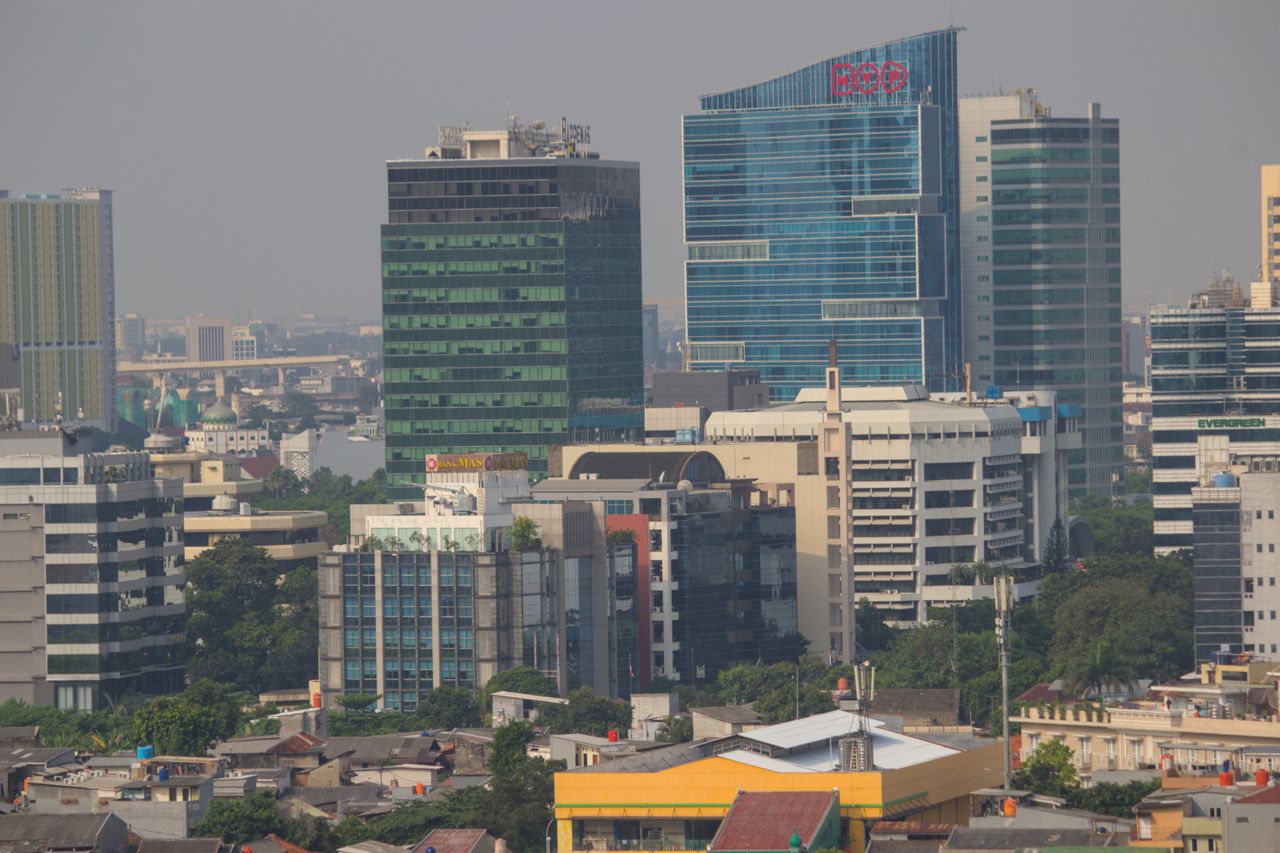
Relacje podróżnych — Dżakarta, wrzesień
Regulars describe this as a transition month rather than either extreme, marking the start of the shift toward the wetter season that runs into spring, though rarely with continuous heavy rain on a given day - more often a sunny stretch broken by a light shower in the early afternoon or evening. Our row backs real, building wetness, 84.2mm of rain across 13.3 days, alongside intense heat, 32.1C reading as a real 37C at 75.7 percent humidity, over 23.3C nights. Regulars' standard advice is to carry an umbrella as routine rather than optional, since a passing shower is likely on most days even if it rarely derails a full day's plans. The sea holds a warm 30.1C. The record: 10.8 hours of sun, a 12.3 kph wind and AQI 165.
Inne miesiące — Dżakarta
Regulars describe this as the wet season's fading tail, with rain typically arriving as a late-afternoon or evening thunderstorm rather than an all-day event, and recommend checking a three-hourly forecast rather than a daily one since conditions shift fast enough within a day to matter. Our row backs a still-wet transition, a striking 123.2mm of rain across 19.9 days, alongside intense heat, 31.8C reading as a severe 38C at 84 percent humidity, over 24.1C nights. Regulars are consistent that Jakarta's weather resists easy prediction generally, so building flexibility into outdoor plans matters more here than trusting any single forecast. The sea holds a very warm 30.8C. The record: 9.9 hours of sun, a 9.7 kph wind and AQI 169.
June opens the Indonesian dry season and regulars describe it as good temperatures and plenty of sun with occasional rain - which is true of the country and only half true of this city. Our row still carries 99.3mm across 16.9 days at 82.5 percent humidity, so rain falls on more than half the days here even at the dry end of the year; what changes is the total, not the frequency. Heat is unrelieved, 31.4C reading as 37C over 23.6C nights. Two practical points: the traffic is the city's defining feature, and the Eid travel exodus moves with the lunar calendar, so check where it falls before booking. The record: 9.9 hours of sun and AQI 166.
Jakarta-forum threads place August squarely in the dry season, which locals mark roughly April through September - the stretch posters call the good window, with lower humidity and more reliable sun than the October-to-March wet season. Even in the wet months regulars note it mostly pours in the late afternoon rather than raining all day, so August's near-absence of that pattern is the real payoff. The record still runs hot and properly humid though: 31.7C days feeling like a sticky 37C, 23.1C nights, 63mm of rain across ten days, and a 29.8C sea. The number the forum threads don't dwell on: AQI runs 168 here, one of the haziest months on this destination's whole calendar - dry doesn't mean clear.
Jakarta forum threads describe February as squarely the peak of the rainy season, with the typical pattern being heavy showers around midday and again at night, though the sun does come out reliably between them on most days - full days of nonstop rain and cloud happen but aren't the norm. Posters flagged real flooding as an annual concern in the city's low-lying areas, with some north-coast roads periodically blocked, though flights and the main rail and bus routes were described as rarely affected. The other consistent theme: the city's already notorious traffic gets noticeably worse during rainy-season downpours, so posters recommended building extra time into any February itinerary here.
Dodaj własną notatkę z karty miejsca na mapie — Dżakarta.
Normy klimatyczne — Dżakarta, wrzesień
Średnie miesięczne z reanalizy ERA5. AQI to średni amerykański indeks jakości powietrza w tym miesiącu.
Dżakarta, wrzesień: tłumy
Jak tłoczno jest w samym miejscu — wakacje szkolne i święta masowe, miesiące oznaczone przez redakcję oraz to, jak bardzo pogoda podbija popyt. Nigdy nie wchodzi do wyniku komfortu.
Tłocznoferie szkolne na 3 rynkach, które je zapełniają, jeden z najlepszych miesięcy pod względem pogody(szacunkowo)
Szczyt sezonuTłocznoSezon przejściowySpokojnie
Dżakarta — najlepsze miesiące pod względem pogody
Ranking według własnego wyniku komfortu klimatycznego tego kierunku w skali roku — to co innego niż natężenie ruchu (zob. Tłumy powyżej).
Najlepsza pogodaDżakarta: szczyt pogody przypada na okres lipiec–wrzesień — najlepiej: sierpień.
Najlepsza pogodaZnośna pogodaNajtrudniejsza pogoda
Co się dzieje — Dżakarta, wrzesień
Powtarzalne wydarzenia sezonowe, spektakle natury, zamknięcia i święta — wybrane i ze źródłami.
- Sezon
Dry season
1 cze – 30 wrz · zwykleThe rain stops and the flooding with it, which is the practical case for coming now. The trade-off is that the air over the city is at its worst without rain to wash it down.
- Zagrożenie
Dry-season smog
15 cze – 15 paź · zwykleZimowy smogTraffic, coal plants along the coast and no rain to clear it: Jakarta regularly ranks among the world's most polluted major cities in these months. The skyline goes grey from the middle distance out. Źródło ↗
Gdzie leży Dżakarta?
Dżakarta, wrzesień — FAQ
- Dżakarta: czy wrzesień to dobry moment na wyjazd?
- Dżakarta, wrzesień: upalnie, deszczowo, do tego kiepska jakość powietrza — w porządku, jeśli zniesiesz 37°C po południu. Na skali komfortu SeasonMap Dżakarta zajmuje 3. miejsce z 12 miesięcy (68/100).
- Dżakarta, wrzesień: jaka jest pogoda?
- wrzesień: Dżakarta ma średnią temperaturę maksymalną 32.1°C i minimalną 23.3°C, przy około 84.2 mm deszczu w ciągu mniej więcej 13.3 deszczowych dni.
- Dżakarta, wrzesień: jaka jest jakość powietrza?
- wrzesień: Dżakarta ma średni amerykański indeks jakości powietrza na poziomie około 165.