インスブルックの月別の天気
インスブルックを訪れるベストシーズンは4月、5月、9月です — 4月は92/100、最高18°C、雨の日9日。 ベストな季節は春(3月〜5月)で、平均89/100です。
最も不向きな月は12月で、67/100です — 寒い、ときどき雨、空気がきれい。 12月を見る →
2026年9月更新 · ERA5再解析による気候平年値
周辺も含めて旅を計画するなら オーストリア旅行のベストシーズン →
インスブルックInnsbruck, Austria🇦🇹 オーストリア · アルプス · トレッキング92
ベストな季節:3月〜5月(平均89/100) · 最も不向きなのは12月(67/100)
- 日中
- 18°C
- 夜
- 5°C
- 雨の日
- 9
- 日照
- 10 h
- 湿度
- 76%
- 日の長さ
- 14 h
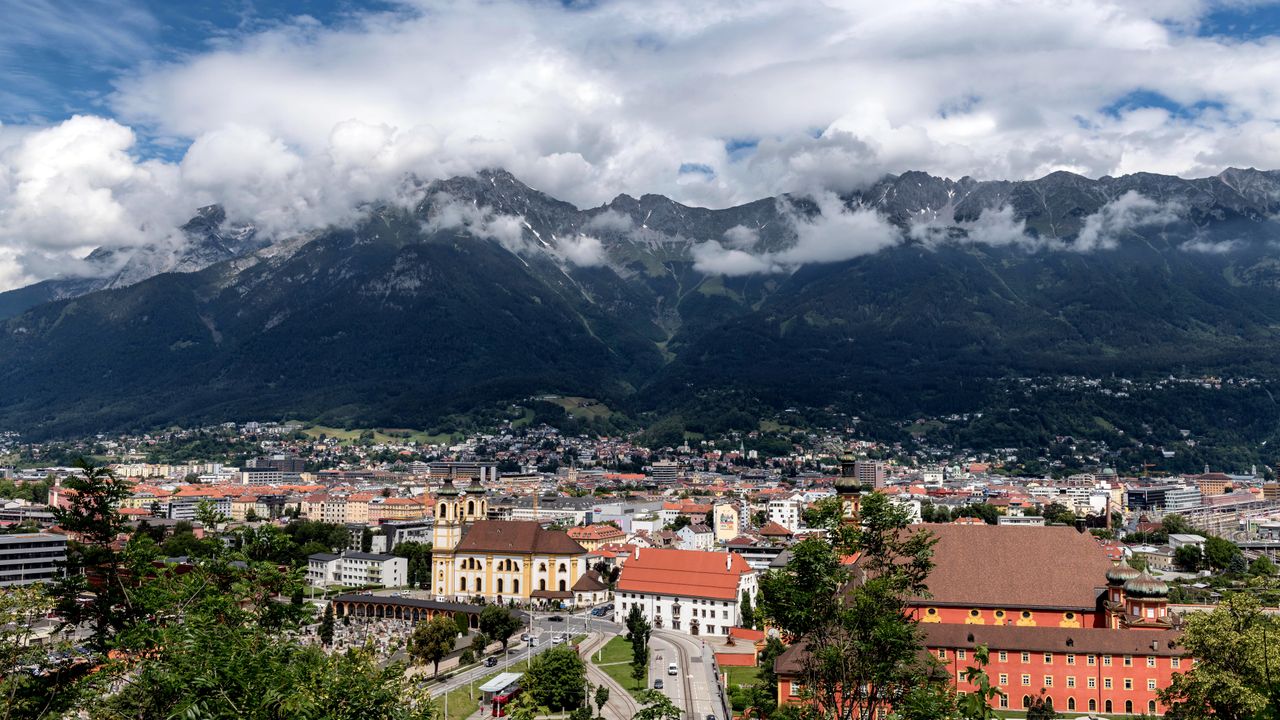
インスブルックの月ごとのようす
インスブルックに最も合う旅のタイプでの100点満点の快適スコア、気候平年値による平均最高気温・雨の日数・1日の日照時間、そして混雑具合の目安です。
インスブルックの年間イベント
祭り、自然の見どころ、祝日、そして注意したい季節 — 厳選し出典を明記しています。詳しくは各月のページで。
- 1月
- Four Hills ski jumping1月2日〜5日(例年)祭り
- Tyrolean Fasnacht1月20日〜2月25日(例年)祭り
- 3月
- Easter4月4日〜6日祝日
- 4月
- Between-seasons shutdown4月20日〜5月25日(例年)休業
- 6月
- Alpine huts open6月20日〜9月30日(例年)オープン
- 7月
- Festival of Early Music7月24日〜8月30日(例年)祭り
- 9月
- Almabtrieb cattle drives9月10日〜10月10日(例年)祭り
- 10月
- Foehn wind10月1日〜5月31日(例年)季節
- Stubai glacier opens10月5日〜11月30日(例年)オープン
- 11月
- Christmas markets11月15日〜1月6日(例年)祭り
- Krampus and St Nicholas runs11月28日〜12月8日(例年)祭り
- 12月
- Avalanche season12月1日〜4月30日(例年)要注意
- Ski season12月5日〜4月15日(例年)季節
4月のインスブルックの混雑
その場所自体の混み具合 — 学校休暇や大型連休、編集部がタグ付けした月、そして天気の良さによる人気の高さ。快適スコアには含まれません。
ピークの混雑Easter、オーストリアのEaster holidays、主な訪問国のうち6か国で学校休暇(推定)
123456789101112
ピークの混雑混雑ショルダーシーズン閑散
インスブルックへ行く前に知っておきたいこと
旅行者自身の旅行記から、実際の体験を原文へのリンク付きで引用しています。
ビザ・入国
A rider's guide to Innsbruck's Nordkette cable car describes the trip from city center to the 2,334-meter summit at Hafelekar as taking about 30 minutes total, funicular to cable car, with panoramic Alps views and (often) goats wandering near the top station. Their money tip: the Innsbruck Card bundles public transport, most museums, and the Nordkette cable cars into one pass, worth it for a multi-day stay, while a budget day visitor can just ride to the first stop at Hungerburg for around 10 euros round trip; either way, bring a light sweater even in summer since it's noticeably colder at altitude.
インスブルックの旅行者の声
実際に訪れた人たちの声です — 通年のメモを先に、そのあと月ごとに並べています。
Innsbruck's distance from the coast and altitude lead to a continental climate. Winters are cold and snowy; summers are generally warmer and wetter, with highly variable weather. Hot and dry days, with temperatures hitting 30°C, are quite common; but can be followed by a cool and rainy spell, with temperatures only around 17°C in the day. Summer nights are cool and temperature often drop quickly after sunset - sometimes falling below 10°C in early morning.
Innsbruck-forum threads on January describe conditions as genuinely variable day to day, posters calling temperatures generally running from around minus three up to five degrees, days either properly overcast and snowy or strikingly sunny and clear. Regulars call snow at valley level not guaranteed despite January's reputation, the surrounding Nordkette peaks a far safer bet for reliable cover. Posters recommend thick boots and a proper winter coat regardless of forecast, conditions shifting fast between the two extremes. Regulars describe the Nordkettenbahn cable car as worth riding even for a non-skier, the view over the old town from up top genuinely spectacular on a clear day. Posters call the old town itself pleasant for a January walk regardless of what the mountains are doing. Regulars recommend checking a same-day forecast rather than trusting a week-out prediction here. The record: 4.9C days feeling like 2C, -3C nights, 58.9mm across over 9 days and 79 percent humidity.
February is peak conditions and peak everything else — the forum calls the skiing excellent and the weather more settled than earlier winter, but it is also high season: most of the month is school holidays in Austria and beyond, so accommodation is hard to find and priced to match. The detail worth carrying is the elevation gap. In the city it is mild for the Alps, around 8°C by day, but the mountain is a different climate: the difference between Innsbruck and the Stubai glacier can be 20°C, and the glacier's exposure adds serious windchill on top. Nearby options regulars name are Seefeld by train, Axamer Lizum at thirty minutes and cheaper, and the Stubai valley topping out at 3,330m.
Innsbruck-forum threads on a March visit describe conditions as genuinely still cold, posters naming rain or snow as a real possibility depending on the day, with weather changing fast especially at altitude. Regulars call high mountain trails genuinely still impassable this time of year, several posters naming lingering snow on rooftops as a reminder winter hasn't fully released its grip. Posters call this genuinely still ski season, several regulars naming low temperatures as standard even as the calendar says spring. Regulars call morning temperatures around four degrees typical, several threads recommending real warm layers regardless of how the afternoon forecast looks. Posters recommend focusing on town sightseeing over high-altitude plans in March, several regulars calling this the more reliable way to enjoy a visit given how unpredictable mountain conditions still are. The record: 13.8C days, 1.9C nights, 50mm across over 9 days and 77 percent humidity.
April is a gamble in the Alps and the Innsbruck forum says so plainly: it can be warm and spring-like, late snowfalls still happen, and the valley floor keeps almost none of it - main roads stay clear and driving is not the problem. If you want snow in April the answer is altitude. Stubai Glacier, at the head of the Stubai valley southwest of the city, is the nearest place still reliably skiable late in the month; for a day trip the Nordkette is easier, since the cable car leaves from the city and Hafelekar is almost certain to have snow. Walking is the awkward middle - high trails still buried, low ones sodden with melt. The record: 17.6C days, 5.4C nights, 44.1cm of snow across the month, 8.9 precipitation days, 10 hours of sun.
Innsbruck-forum threads on May climate call it generally pleasant but genuinely unpredictable - temperatures up to 30C are possible in a good year, but so is rain for days on end, and posters note snow has actually reached the town itself twice in the past seven Mays, even if it melts fast. The mountains lag well behind the valley: by month's end the snowline typically sits above 2,000m with pockets lingering lower in shaded or windy spots, and multi-day hut-to-hut hikes are called too early since many huts simply aren't open yet. The record backs the unsettled read: 21C days feeling like 22C, 9.2C nights, a notably high 14.8 rainy days, a late 28cm of snowfall still on the books and 9.4 hours of sun - alpine spring, not yet alpine summer.
Innsbruck-forum threads on a June visit call this genuinely a strong month, posters describing warmer temperatures and more consistent sunshine than an autumn visit later in the year. Regulars call afternoon or evening showers the typical summer pattern, a run of several consecutive showery days entirely possible alongside longer dry spells. Posters recommend Mittenwald, Salzburg, Munich or Ehrwald as real day-trip options from a June base, all reasonably reachable without an overnight stay. Regulars recommend basing in a smaller village like Seefeld or Igls rather than central Innsbruck for anyone prioritizing quiet over city convenience. Posters recommend real layers for cable car rides up into the surrounding mountains regardless of warm conditions in the valley. The record: 26.9C days feeling like 28C, 13.7C nights, an extraordinarily high 99.4mm across over 12 days and 68 percent humidity.
Forum posters describe August in Innsbruck itself (at the valley floor, lower elevation than the surrounding peaks) as capable of getting genuinely warm during the day, with afternoon and evening thunderstorms called a normal, near-daily feature of the Alpine summer pattern rather than an occasional event. Nights stay cool even during a warm stretch, which is why posters say air conditioning is rarely needed even in hotels that lack it. A recurring theme: forecast-checking more than a few days out is treated as unreliable here, with one poster reporting a forecast predicting rain nearly every day that ended up producing just a single wet arrival day and one brief evening shower - so posters recommend planning flexibly and not canceling plans based on a week-out forecast.
Innsbruck-forum threads on December weather and things to do confirm it's genuinely cold, days hovering right around freezing and nights dropping well below it, the kind of month where every day is either crisply sunny or actively snowy rather than anything in between. Posters are candid that early December is too soon for guaranteed snow right in the city, even though the surrounding mountains and glaciers reliably carry plenty by this point, higher resorts already well stocked. Some years bring real snowfall into the old town by mid-December, but regulars call it a bonus rather than a given. The standing advice is serious winter gear regardless of arrival-day conditions. The Christmas markets are the main draw regardless of which version of the weather shows up. The record: 5.6C days feeling like 3C, -1.8C nights, 59mm across 8.7 days, a notably high 65.8cm of fresh snowfall, 80 percent humidity and 5.3 hours of sun.
地図のインスブルックのカードから自分のメモを追加できます。