Cuaca Ekosistem Serengeti di Februari
Februari di Ekosistem Serengeti: panas, sedikit hujan, dengan udara bersih — waktu yang luar biasa untuk berkunjung.
Diperbarui September 2026 · normal iklim dari reanalisis ERA5
#7 dari 12 bulan di Ekosistem Serengeti · #426 dari 1413 destinasi untuk dikunjungi di Februari · kenyamanan 83/100 (tier A)
- Siang
- 29°C
- Malam
- 17°C
- Hari hujan
- 8
- Matahari
- 10.9 h
- Kelembapan
- 58%
- Jam siang
- 12 h
Catatan pelancong tentang Ekosistem Serengeti di Februari
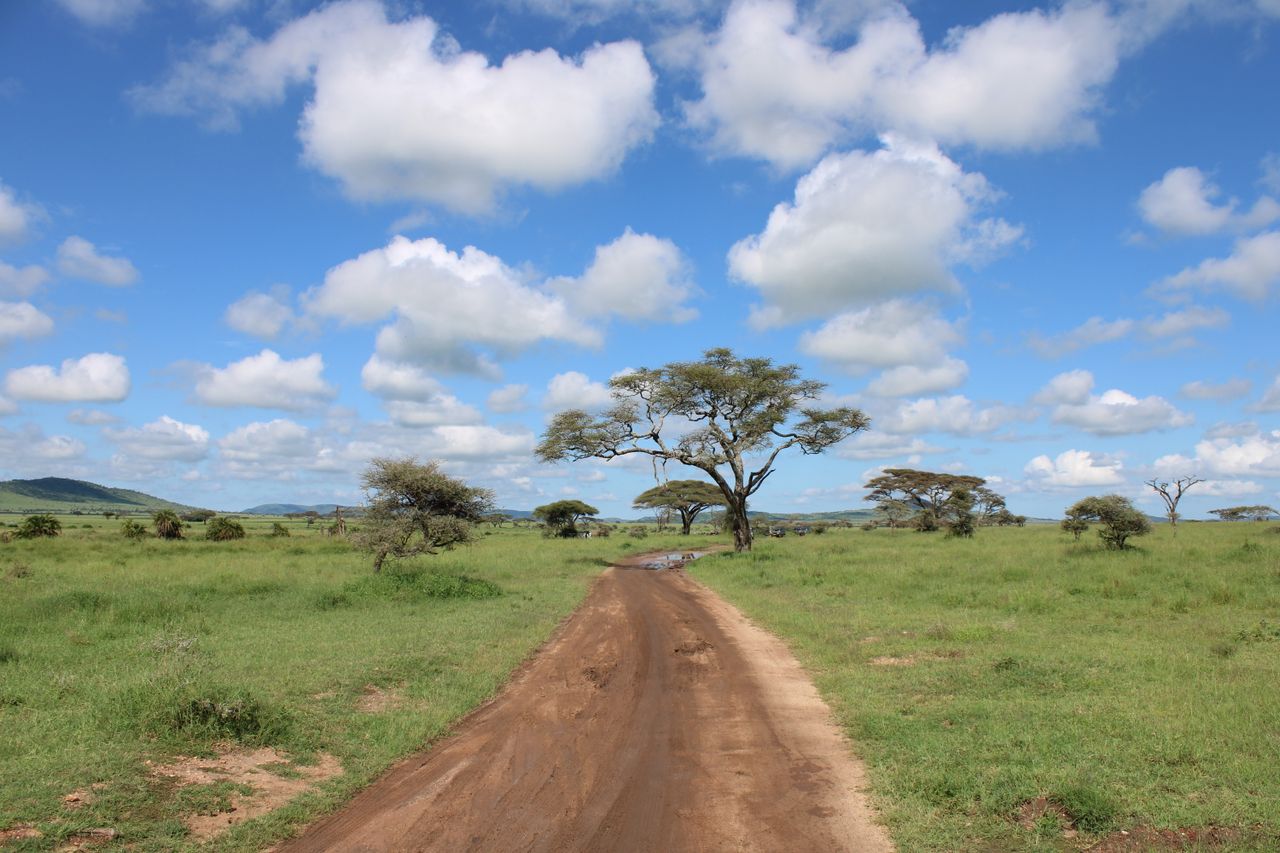
Serengeti-forum threads on February confirm this is calving season around Ndutu and the southern plains, an estimated half a million wildebeest calves born within a concentrated two-to-three-week window, drawing exceptional predator activity that posters call some of the most dramatic game viewing of the whole year. Days run warm to genuinely hot, though nights and early mornings cool down noticeably, real layers worth having for a pre-dawn game drive. One visitor's three-week stay logged only sparse precipitation, a single evening shower and a brief half-hour spell, though posters are consistent this varies year to year rather than being guaranteed. Regulars call February one of the busiest, priciest windows of the year given how reliable the wildlife spectacle is, booking well ahead standard advice. The record: 28.9C days feeling like a punishing 30C, 16.9C nights, 58 percent humidity and 10.9 hours of sun.
Bulan lain di Ekosistem Serengeti
Serengeti-forum threads on an April visit describe rain as genuinely not something that scares off the animals, posters naming this a real reason April still works well despite being deep in the wet season. Regulars call migration herds genuinely on the move by April, several posters naming a shift into the western-central Serengeti as calves from the earlier calving season grow stronger. Posters call the actual calving genuinely finished by this point, several regulars naming late January through early March as the real calving window rather than April. Regulars call warm days with afternoon thunderstorms a standard pattern, several threads naming a green, uncrowded landscape as the payoff for visiting during the rains. Posters recommend real flexibility around migration location in April, several regulars calling this standard given how much herd movement depends on where rains are heaviest. The record: 27.1C days, 16.7C nights, 122.1mm across over 15 days and 69 percent humidity.
Serengeti-forum threads on a May visit describe mid-May as the tail end of the long rains, posters calling showers still possible though usually short rather than lasting a full day. Regulars call the landscape genuinely lush by late May, high green grasses, trees in leaf and wildflowers scattered across the plains and crater floor. Posters call the migration herds typically found in the western corridor this month, though exact positioning shifts year to year depending on rainfall. Regulars call May a real value window, considerably fewer tourists and better lodge rates than the peak dry season draws. Posters recommend a strong guide as genuinely essential this month, several regulars calling guide quality the real determining factor for how much wildlife gets seen in May specifically. The record: 27.2C days feeling like 28C, 16.3C nights, 31.2mm across nearly 6 days and 61 percent humidity.
Serengeti-forum threads on March timing describe this as still genuinely strong for the Ndutu calving season, posters calling early March a real continuation of February's peak with plenty of calves and predator action still concentrated in the area. Regulars call location the biggest variable this late in the window, the herds beginning to shift depending on rainfall and where fresh grass comes up. Posters describe a typical March shower as a brief, dramatic afternoon thunderstorm or a light overnight system rather than an all-day soak. Regulars call the tall grass a real downside for spotting smaller animals, though it does concentrate wildlife along the roads. Posters recommend a guide with current knowledge of herd movement rather than assuming a fixed location holds. Regulars call March genuinely rewarding for anyone specifically chasing the calving spectacle. The record: 28.7C days feeling like 30C, 17C nights, 83.2mm across nearly 11 days and 60 percent humidity.
Serengeti-forum threads on September visits describe this as sitting solidly within the dry season, clear and sunny days the norm though posters call mornings and evenings genuinely chilly, warm layers essential for early game drives regardless of how warm the afternoon runs. Regulars call September noticeably cooler than October or April, several posters describing sweaters for dawn drives and a fleece worth keeping on hand around the crater rim. Posters describe the herds as generally starting their crossing back from the Mara by late September, dust also picking up, worth keeping gear covered. Regulars are direct any real system this early is genuinely unpredictable, some years seeing almost nothing through the month. Posters call September a reliably strong month despite the cool mornings. Regulars recommend real layers rather than assuming based on the warm midday temperature. The record: 29.5C days feeling like 30C, 16.9C nights, a low 45 percent humidity and 10.6 hours of sun.
Tambahkan catatan Anda dari kartu Ekosistem Serengeti di peta.
Normal iklim Ekosistem Serengeti — Februari
Rata-rata bulanan dari reanalisis ERA5. AQI adalah rata-rata Indeks Kualitas Udara AS untuk bulan itu.
Keramaian di Ekosistem Serengeti pada Februari
Seberapa ramai tempatnya sendiri — libur sekolah dan libur massal, bulan-bulan yang ditandai editor, dan seberapa diburu tempat itu karena cuacanya. Tidak pernah menjadi bagian dari skor kenyamanan.
Musim peralihanlibur sekolah di 2 pasar utama yang memenuhinya, bulan biasa(perkiraan)
Puncak keramaianRamaiMusim peralihanSepi
Bulan terbaik untuk cuaca Ekosistem Serengeti
Diurutkan berdasarkan skor kenyamanan iklim destinasi ini sepanjang tahun — hal yang berbeda dari seberapa ramai tempatnya (lihat Keramaian di atas).
Cuaca lumayanCuaca Ekosistem Serengeti tidak berayun tajam sepanjang tahun — kenyamanannya cukup stabil di setiap bulan.
Agenda di Ekosistem Serengeti pada Februari
Acara musiman berulang, fenomena alam, penutupan, dan hari libur — dikurasi dan bersumber jelas.
- Aturan
Park permits run 24 hours
1 Jan – 31 DesPesan lebih awalThe conservation fee is valid for twenty-four hours from entry and the rangers check on the way out; overstaying buys another full day, and a day-trip permit is shorter again. It is why itineraries are built around gate times, not sunsets. Sumber ↗
- Alam
Wildebeest calving
15 Jan – 15 Mar · biasanyaMusim satwa liarPesan lebih awalClose to half a million calves drop in a three-week burst on the short-grass plains around Ndutu, and every predator in the ecosystem is there for it. The exact fortnight moves with the rains, so camps sell the whole window.
- Alam
Migrant birding season
15 Nov – 15 Apr · biasanyaMusim burungEuropean and Asian migrants arrive with the short rains and stay until April, on top of the residents in breeding plumage. The wet months are the ones birders choose and the game drivers avoid.
Di dekatnya, dan ada acara
Dalam radius 300 km dari Ekosistem Serengeti — perjalanan sehari atau lompatan singkat — dengan sesuatu yang berlangsung bulan ini. Tidak pernah masuk ke skor kenyamanan.
Di mana Ekosistem Serengeti?
Ekosistem Serengeti di Februari — FAQ
- Apakah Februari waktu yang tepat untuk mengunjungi Ekosistem Serengeti?
- Februari di Ekosistem Serengeti: panas, sedikit hujan, dengan udara bersih — waktu yang luar biasa untuk berkunjung. Bulan ini ada di peringkat #7 dari 12 bulan untuk Ekosistem Serengeti menurut skor kenyamanan SeasonMap (83/100).
- Bagaimana cuaca di Ekosistem Serengeti pada Februari?
- Pada Februari, Ekosistem Serengeti rata-rata mencapai suhu tertinggi harian 28.9°C dan terendah 16.9°C, dengan sekitar 45.3 mm hujan sepanjang kurang lebih 8.4 hari hujan.
- Bagaimana kualitas udara di Ekosistem Serengeti pada Februari?
- Ekosistem Serengeti punya rata-rata Indeks Kualitas Udara AS sekitar 35 pada Februari.
Dalam radius 300 km: Calving on the Ndutu plains di Ngorongoro, sekitar 1 Jan – 15 Mar, dan Wildebeest calving season di Arusha, sekitar 20 Jan – 15 Mar.