Cuaca Hakone, Kanagawa di Januari
Januari di Hakone, Kanagawa: dingin, sedikit hujan, dengan udara bersih — waktu yang lumayan untuk berkunjung.
Diperbarui September 2026 · normal iklim dari reanalisis ERA5
#12 dari 12 bulan di Hakone, Kanagawa · #978 dari 1413 destinasi untuk dikunjungi di Januari · kenyamanan 59/100 (tier D)
- Siang
- 5°C
- Malam
- -1°C
- Hari hujan
- 9
- Matahari
- 7.8 h
- Kelembapan
- 70%
- Jam siang
- 10 h
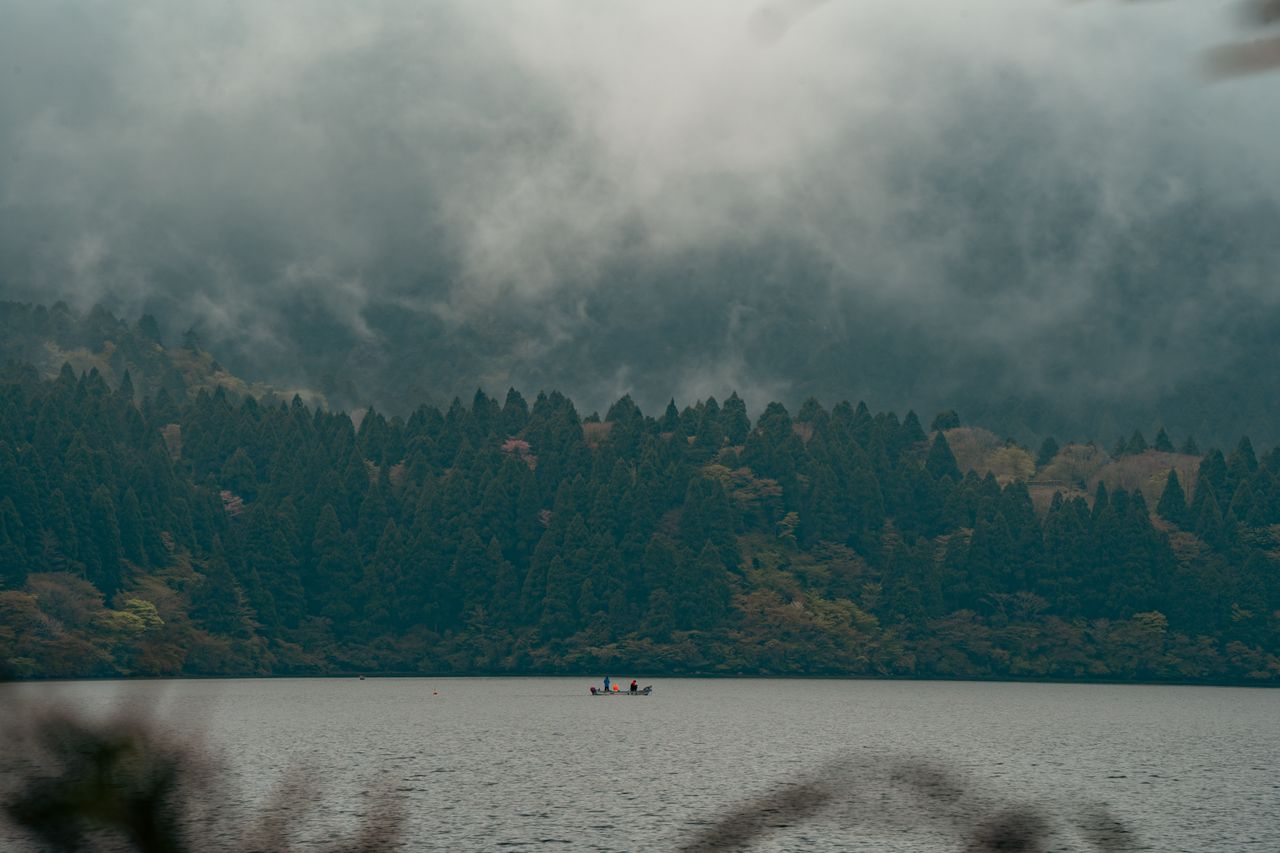
Catatan pelancong tentang Hakone, Kanagawa di Januari
Catatan dari Fujikawaguchiko, Yamanashi di dekatnya (42 km)
Hakone, Kanagawa belum punya catatan sendiri untuk Januari — ini tentang Fujikawaguchiko, Yamanashi, cukup dekat untuk berbagi musim yang sama.
Fujikawaguchiko-forum threads on a January visit are consistently positive, posters calling this genuinely one of the best windows for clear Mount Fuji views given how crisp the winter air runs. Regulars describe other seasons as more of a gamble, cloud and haze frequently obscuring the mountain, while winter's clearer air makes a good sighting considerably more likely. Posters call real cold-weather layers essential regardless of how clear the sky looks, January readings running genuinely cold once the sun drops. Regulars describe light accumulation as more common at lower elevations by January and February, worth checking current road conditions before a day trip by car. Posters recommend the train or bus from Tokyo for anyone not wanting to navigate winter roads. Regulars call a clear January morning the best bet for the classic photograph. The record: 6.3C days feeling like 2C, -5.9C nights, a notably high 19cm of fresh accumulation and 67 percent humidity.
Bulan lain di Hakone, Kanagawa
Regulars are specific this month can still feel genuinely wintery in its early stretch, light jackets rather than heavy winter coats the standard advice, though a sunny day can still push temperatures into the mid-20s Celsius. Our row backs that cool, genuinely wet read, 14.1C over 6.1C nights feeling as low as 4C, with a substantial 185mm of rain across 14.6 days and a trace of late snow, 1.1cm. Regulars are consistent the first week specifically runs genuinely hectic with cherry blossom crowds, Mount Fuji visibility itself a matter of luck regardless of which week a trip lands in. Layering for a real swing between a cold morning and a mild afternoon remains the standard advice throughout. The sea sits at a mild 17.5C. The record: 8.9 hours of sun, humidity 79 percent and AQI 60.
Regulars describe a two-part month: the rainy season proper runs into early-to-mid July, and once it lifts, very hot, muggy weather arrives and doesn't let up even overnight. Our row backs both halves, a substantial 258.7mm of rain across 17.4 days, alongside real heat, 25C reading as a hot 29C at 88 percent humidity, over a warm 19.2C night. Regulars are candid this isn't the best month for the trip if Mount Fuji views matter, since frequent cloud cover common this time of year regularly blocks the view even on a technically dry day. It doesn't rain every single day, and some visitors do get a genuinely good week, but regulars are clear that's the exception rather than what to plan around. The sea sits at 23.7C. The record: 9 hours of sun, a 10 kph wind and AQI 62.
Regulars name Hakone as a place to get out of the August heat and are careful about how much relief to promise: it is more comfortable than Tokyo or Kyoto, but only slightly higher, so this is a degree or two rather than a different climate. Our row bears that out - 26.2C reading as 30C at 86 percent humidity, which is muggy by any measure. Their practical advice is about timing rather than location. Take the bath at night, because the temperature drops away from the afternoon, and choose the open-air rotenburo where a breeze reaches you; indoor baths in the shade are the cooler option. Rain is part of the month too: 200mm across 17.4 days. The record: 20.5C nights, 10.1 hours of sun, a 10.2 kph wind and AQI 41.
September is typhoon season and regulars say plainly that if one arrives you will see nothing, in Hakone or anywhere else. Our row is the second wettest in this collection: 232.2mm across 18 precipitation days at 86 percent humidity, under 8.1 hours of sun. Late September improves as autumn sets in. Their advice for Fuji is tactical rather than seasonal - mornings, before cloud climbs the mountain, and the day after good rain is often the clearest; the view comes on the ropeway up to Owakudani from Sounzan. Because the Hakone Free Pass can be bought on the day, you can wait for the forecast rather than commit in advance. And they are firm that the hot springs make it worth coming with no view at all. The record: 22.8C days, 17.6C nights and AQI 39.
Tambahkan catatan Anda dari kartu Hakone, Kanagawa di peta.
Normal iklim Hakone, Kanagawa — Januari
Rata-rata bulanan dari reanalisis ERA5. AQI adalah rata-rata Indeks Kualitas Udara AS untuk bulan itu.
Keramaian di Hakone, Kanagawa pada Januari
Seberapa ramai tempatnya sendiri — libur sekolah dan libur massal, bulan-bulan yang ditandai editor, dan seberapa diburu tempat itu karena cuacanya. Tidak pernah menjadi bagian dari skor kenyamanan.
Puncak keramaianHakone Ekiden, Winter break (fuyuyasumi) di Jepang, libur sekolah di 5 pasar utama yang memenuhinya(perkiraan)
Puncak keramaianRamaiMusim peralihanSepi
Bulan terbaik untuk cuaca Hakone, Kanagawa
Diurutkan berdasarkan skor kenyamanan iklim destinasi ini sepanjang tahun — hal yang berbeda dari seberapa ramai tempatnya (lihat Keramaian di atas).
Cuaca lumayanCuaca Hakone, Kanagawa tidak berayun tajam sepanjang tahun — kenyamanannya cukup stabil di setiap bulan.
Agenda di Hakone, Kanagawa pada Januari
Acara musiman berulang, fenomena alam, penutupan, dan hari libur — dikurasi dan bersumber jelas.
- Festival
Hakone Ekiden
2–3 JanAjang olahragaRamaiPenutupanThe university relay from Tokyo to Lake Ashi and back. The mountain road closes to traffic for both mornings and the whole town turns out along it in the cold. Sumber ↗
- Festival
Crystal Christmas trees at Glass Forest
1 Nov – 12 Jan · biasanyaNatal & Tahun BaruThe Venetian glass museum in Sengokuhara sets up crystal-covered trees in its garden, the tallest about 10 metres, which glitter in the sun by day and are lit after dark from November to mid-January. Sumber ↗
Di dekatnya, dan ada acara
Dalam radius 300 km dari Hakone, Kanagawa — perjalanan sehari atau lompatan singkat — dengan sesuatu yang berlangsung bulan ini. Tidak pernah masuk ke skor kenyamanan.
Di mana Hakone, Kanagawa?
Hakone, Kanagawa di Januari — FAQ
- Apakah Januari waktu yang tepat untuk mengunjungi Hakone, Kanagawa?
- Januari di Hakone, Kanagawa: dingin, sedikit hujan, dengan udara bersih — waktu yang lumayan untuk berkunjung. Bulan ini ada di peringkat #12 dari 12 bulan untuk Hakone, Kanagawa menurut skor kenyamanan SeasonMap (59/100).
- Bagaimana cuaca di Hakone, Kanagawa pada Januari?
- Pada Januari, Hakone, Kanagawa rata-rata mencapai suhu tertinggi harian 5.4°C dan terendah -1.4°C, dengan sekitar 74.6 mm hujan sepanjang kurang lebih 9 hari hujan.
- Bagaimana kualitas udara di Hakone, Kanagawa pada Januari?
- Hakone, Kanagawa punya rata-rata Indeks Kualitas Udara AS sekitar 36 pada Januari.
- Apakah turun salju di Hakone, Kanagawa pada Januari?
- Hakone, Kanagawa mendapat sekitar 10.8 cm curah salju pada Januari.
Dalam radius 300 km: First lifts in Japan di Karuizawa, 1 Nov – 31 Mar, dan Castle Ice Sculpture Festival di Matsumoto, sekitar 20 Jan – 5 Feb.