Serengeti sää — tammikuu
Serengeti, tammikuu: lämmin, sateinen ja puhdas ilma — erinomainen matka-aika.
Päivitetty syyskuu 2026 · ilmastonormaalit ERA5-uusanalyysistä
Serengeti: sija 6/12 kuukaudesta · sija 402/1413 matkakohteesta, tammikuu · mukavuus 83/100 (taso A)
- Päivät
- 27°C
- Yöt
- 16°C
- Sadepäivät
- 13
- Aurinko
- 10.6 h
- Kosteus
- 64%
- Valoisa aika
- 12 h
Matkailijoiden muistiinpanot — Serengeti, tammikuu
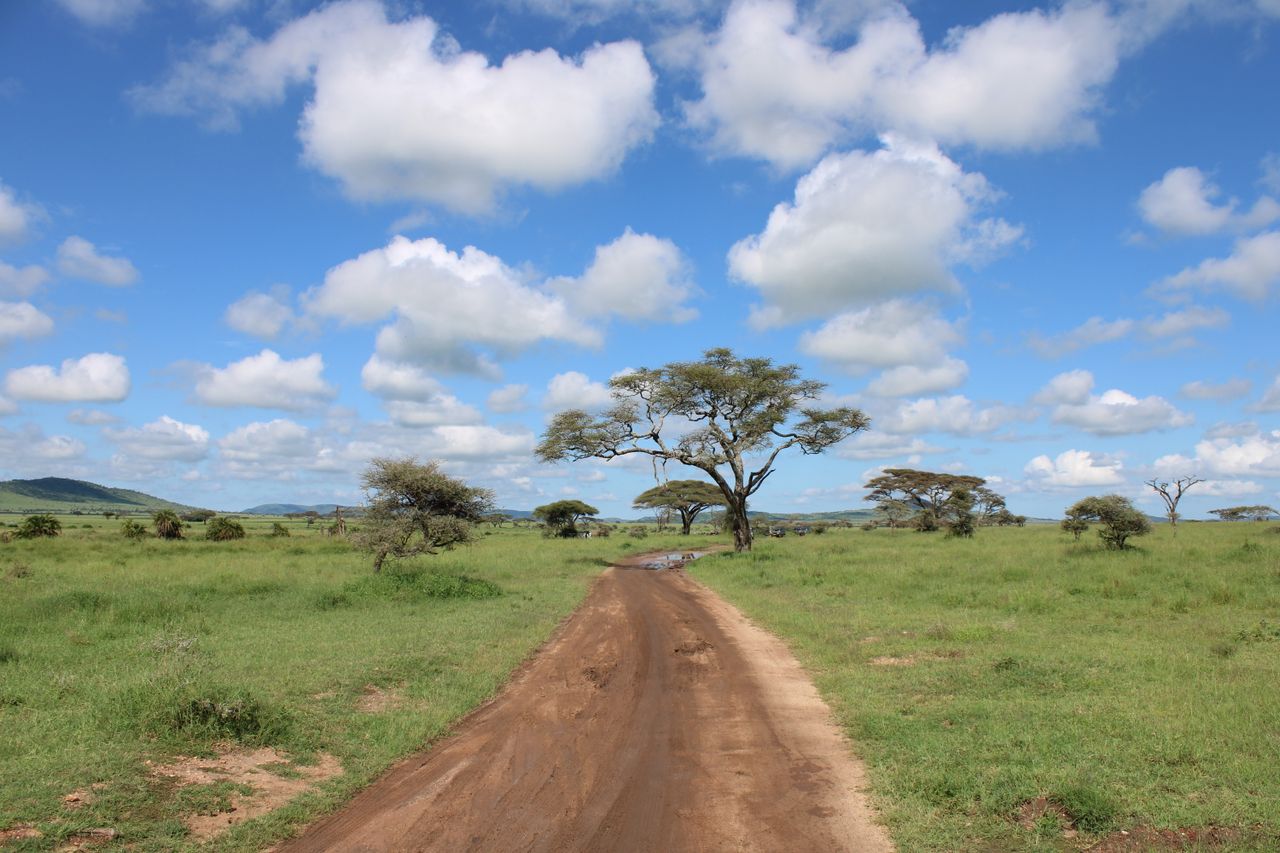
Serengeti forum threads describe January as typically dry and can run genuinely hot, with the wildebeest herds concentrated in the southern plains around Ndutu and the northern Ngorongoro Conservation Area, grazing on lush grass ahead of calving. Posters were clear that the bulk of calving itself happens in a roughly two-to-three-week window in February, though early births can start showing up in late January - so a January safari catches the lead-up and setup for the spectacle more than the peak event itself. Regulars recommended late January into February for the best shot at witnessing actual calving if that's the specific draw.
Serengeti — muut kuukaudet
Serengeti-forum threads on an April visit describe rain as genuinely not something that scares off the animals, posters naming this a real reason April still works well despite being deep in the wet season. Regulars call migration herds genuinely on the move by April, several posters naming a shift into the western-central Serengeti as calves from the earlier calving season grow stronger. Posters call the actual calving genuinely finished by this point, several regulars naming late January through early March as the real calving window rather than April. Regulars call warm days with afternoon thunderstorms a standard pattern, several threads naming a green, uncrowded landscape as the payoff for visiting during the rains. Posters recommend real flexibility around migration location in April, several regulars calling this standard given how much herd movement depends on where rains are heaviest. The record: 27.1C days, 16.7C nights, 122.1mm across over 15 days and 69 percent humidity.
Serengeti-forum threads on a May visit describe mid-May as the tail end of the long rains, posters calling showers still possible though usually short rather than lasting a full day. Regulars call the landscape genuinely lush by late May, high green grasses, trees in leaf and wildflowers scattered across the plains and crater floor. Posters call the migration herds typically found in the western corridor this month, though exact positioning shifts year to year depending on rainfall. Regulars call May a real value window, considerably fewer tourists and better lodge rates than the peak dry season draws. Posters recommend a strong guide as genuinely essential this month, several regulars calling guide quality the real determining factor for how much wildlife gets seen in May specifically. The record: 27.2C days feeling like 28C, 16.3C nights, 31.2mm across nearly 6 days and 61 percent humidity.
Serengeti-forum threads on March timing describe this as still genuinely strong for the Ndutu calving season, posters calling early March a real continuation of February's peak with plenty of calves and predator action still concentrated in the area. Regulars call location the biggest variable this late in the window, the herds beginning to shift depending on rainfall and where fresh grass comes up. Posters describe a typical March shower as a brief, dramatic afternoon thunderstorm or a light overnight system rather than an all-day soak. Regulars call the tall grass a real downside for spotting smaller animals, though it does concentrate wildlife along the roads. Posters recommend a guide with current knowledge of herd movement rather than assuming a fixed location holds. Regulars call March genuinely rewarding for anyone specifically chasing the calving spectacle. The record: 28.7C days feeling like 30C, 17C nights, 83.2mm across nearly 11 days and 60 percent humidity.
Serengeti-forum threads on September visits describe this as sitting solidly within the dry season, clear and sunny days the norm though posters call mornings and evenings genuinely chilly, warm layers essential for early game drives regardless of how warm the afternoon runs. Regulars call September noticeably cooler than October or April, several posters describing sweaters for dawn drives and a fleece worth keeping on hand around the crater rim. Posters describe the herds as generally starting their crossing back from the Mara by late September, dust also picking up, worth keeping gear covered. Regulars are direct any real system this early is genuinely unpredictable, some years seeing almost nothing through the month. Posters call September a reliably strong month despite the cool mornings. Regulars recommend real layers rather than assuming based on the warm midday temperature. The record: 29.5C days feeling like 30C, 16.9C nights, a low 45 percent humidity and 10.6 hours of sun.
Lisää oma muistiinpanosi kohteen Serengeti kortilta kartalla.
Serengeti — ilmastonormaalit, tammikuu
Kuukausikeskiarvot ERA5-uusanalyysistä. AQI on kuukauden keskimääräinen US Air Quality Index.
Ruuhkat — Serengeti, tammikuu
Kuinka vilkas paikka itse on — koulujen ja suurten lomien ajankohdat, toimituksen merkitsemät kuukaudet ja se, kuinka houkuttelevaksi sää ne tekee. Ei koskaan osa mukavuuspisteitä.
HuippusesonkiChristmas and New Year peak, December–January long break, Tanzania, koululomat 5 lähtömaassa, joista tänne tullaan(arvio)
HuippusesonkiVilkastaVälisesonkiRauhallista
Parhaat kuukaudet — Serengeti ja sen sää
Järjestetty tämän kohteen oman ilmastomukavuuspisteen mukaan läpi vuoden — eri asia kuin se, kuinka ruuhkaista on (ks. Ruuhkat yllä).
Kohtalainen sääSerengeti: sää ei heilahtele kovin paljon vuoden mittaan — mukavuus pysyy melko tasaisena joka kuukausi.
Mitä on menossa — Serengeti, tammikuu
Toistuvat kausitapahtumat, luonnonnäytökset, sulkemiset ja juhlapyhät — kuratoituna ja lähteineen.
- Sääntö
Park permits run 24 hours
1. tammi – 31. jouluVaraa ajoissaThe conservation fee is valid for twenty-four hours from entry and the rangers check on the way out; overstaying buys another full day, and a day-trip permit is shorter again. It is why itineraries are built around gate times, not sunsets. Lähde ↗
- Luonto
Wildebeest calving
15. tammi – 15. maalis · yleensäEläinkausiVaraa ajoissaClose to half a million calves drop in a three-week burst on the short-grass plains around Ndutu, and every predator in the ecosystem is there for it. The exact fortnight moves with the rains, so camps sell the whole window.
- Luonto
Migrant birding season
15. marras – 15. huhti · yleensäLintukausiEuropean and Asian migrants arrive with the short rains and stay until April, on top of the residents in breeding plumage. The wet months are the ones birders choose and the game drivers avoid.
- Juhlapyhä
Christmas and New Year peak
20. joulu – 5. tammiJoulu ja uusivuosiRuuhkaistaVaraa ajoissaCamps charge festive rates and impose minimum stays over the fortnight, and the good ones are taken a year out. It falls between the rains, so the game viewing does not justify the premium. Lähde ↗
Lähellä, ja jotain on menossa
300 km:n säteellä kohteesta Serengeti — päiväretki tai lyhyt hyppy — ja jotain on menossa tässä kuussa. Ei koskaan osa mukavuuspisteitä.
Missä Serengeti sijaitsee?
Serengeti, tammikuu — UKK
- Serengeti: onko tammikuu hyvä matka-aika?
- Serengeti, tammikuu: lämmin, sateinen ja puhdas ilma — erinomainen matka-aika. SeasonMapin mukavuuspisteissä Serengeti on tällöin sijalla 6/12 (83/100).
- Serengeti, tammikuu: millainen sää?
- Serengeti, tammikuu: päivän ylin on keskimäärin 27.1 °C ja alin 16.2 °C, sadetta noin 81.5 mm ja sadepäiviä noin 13.3.
- Serengeti, tammikuu: millainen ilmanlaatu?
- Serengeti, tammikuu: Yhdysvaltain ilmanlaatuindeksi (AQI) on keskimäärin noin 40.
300 km:n säteellä: Ngorongoro — Calving on the Ndutu plains, noin 1. tammi – 15. maalis ja Arusha — Wildebeest calving season, noin 20. tammi – 15. maalis.