Clima en Uyuni mes a mes
La mejor época para visitar Uyuni es de octubre a diciembre — 87/100 en noviembre, 19°C y 5 días de lluvia. La mejor temporada es la primavera, de septiembre a noviembre (85/100 de media).
El peor mes es junio, con 77/100 — frío, seco, aire limpio. Ver junio →
Actualizado: septiembre de 2026 · normales climáticas del reanálisis ERA5
¿Planeas un viaje más amplio? Mejor época para visitar Bolivia →
Mejor temporada: de septiembre a noviembre (85/100 de media) · peor mes: junio (77/100)
- Días
- 19°C
- Noches
- 3°C
- Días de lluvia
- 5
- Sol
- 12.2 h
- Humedad
- 31%
- Horas de luz
- 13 h
Uyuni, mes a mes
Puntuación de confort sobre 100 para el tipo de viaje que mejor le va a Uyuni; la máxima media, los días de lluvia y las horas de sol diarias según las normales climáticas, y cuánta gente suele haber.
Qué hay en Uyuni a lo largo del año
Festivales, espectáculos naturales, festivos y las temporadas que conviene vigilar, seleccionados y con fuente. Las páginas de cada mes tienen el detalle.
- enero
- The mirror on the salar1 Ene – 31 Mar (normalmente)Naturaleza
- febrero
- Carnaval14–17 FebFestival
- mayo
- Dry crossing season1 May – 15 Nov (normalmente)Temporada
- junio
- The cold nights1 Jun – 31 AgoTemporada
- agosto
- Independence Day5–7 AgoFestivo
- noviembre
- Flamingos breeding1 Nov – 31 Dic (normalmente)Naturaleza
- diciembre
- Altiplanic winter15 Dic – 15 Mar (normalmente)Temporada
Afluencia en Uyuni en noviembre
Cuánta gente hay en el propio lugar: vacaciones escolares y masivas, los meses que marcó el editor y cuánto atrae su clima. Nunca cuenta en la puntuación de confort.
Concurridouno de sus mejores meses por clima(estimado)
Máxima afluenciaConcurridoTemporada mediaTranquilo
Notas de viajeros sobre Uyuni
Lo que cuenta la gente que ha estado allí: primero las notas válidas todo el año y después, mes a mes.
Uyuni's forum is clear that by May the famous mirror effect on the salt flats is no longer reliable - that's really a December-through-March phenomenon, and much of the salar has dried out by this point, though a lucky visitor might still catch some water in patches. A rain jacket becomes unnecessary this time of year, but nights turn genuinely brutal - one traveler reported around -10C at 4,400m elevation. The honest framing from regulars: come for the dry, otherworldly salt-flat scenery and star-filled skies, not for a shot at the reflection photos, and pack serious cold-weather gear regardless of how warm the days feel.
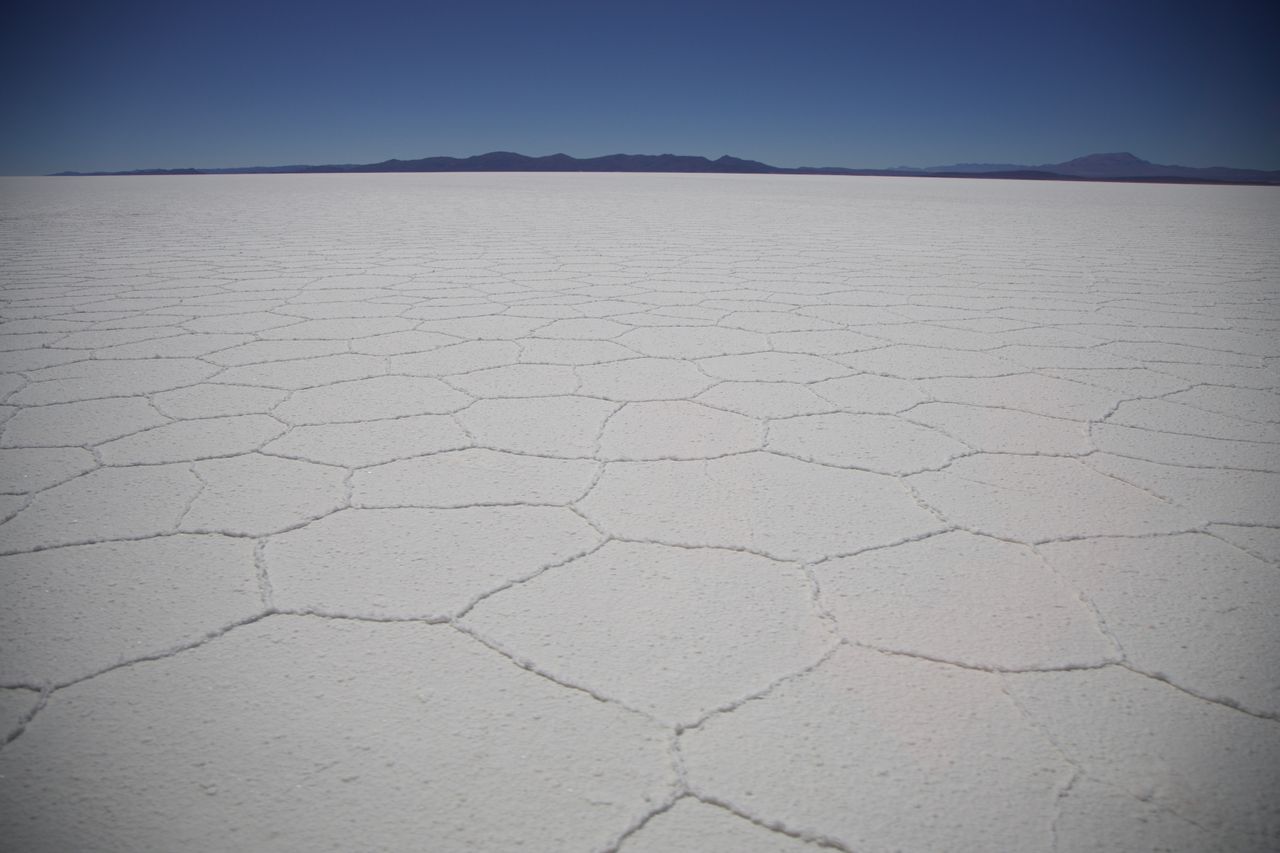
Forum posters give genuinely mixed advice on November - some call it a good window since the rains typically haven't started yet, meaning full access to sights like Fish Island (Isla Incahuasi) and an overnight stay at a salt hostel that become impossible once the salt flat floods; others frame November as already rainy-season-adjacent, with a real risk of transport disruption especially in the surrounding highlands. Posters are consistent that the classic mirror-reflection photos require standing water on the salt, which typically doesn't happen until the wetter February-March window - so November visitors should expect the dry, cracked salt-flat look rather than the famous reflection shots. Nights are described as genuinely freezing regardless of the exact date, with extra blankets provided at accommodations and posters confirming a sleeping bag generally isn't necessary given that provision.
Añade tu propia nota desde la ficha de Uyuni en el mapa.