Clima en Parque nacional Haleakalā mes a mes
La mejor época para visitar Parque nacional Haleakalā es mayo, junio y septiembre — 87/100 en junio, 16°C y 20 días de lluvia. La mejor temporada es el verano, de junio a agosto (86/100 de media).
El peor mes es diciembre, con 81/100 — fresco, lluvioso, aire limpio. Ver diciembre →
Actualizado: septiembre de 2026 · normales climáticas del reanálisis ERA5
¿Planeas un viaje más amplio? Mejor época para visitar Estados Unidos →
Mejor temporada: de junio a agosto (86/100 de media) · peor mes: diciembre (81/100)
- Días
- 16°C
- Noches
- 12°C
- Días de lluvia
- 20
- Sol
- 12.4 h
- Humedad
- 77%
- Horas de luz
- 13 h
Parque nacional Haleakalā, mes a mes
Puntuación de confort sobre 100 para el tipo de viaje que mejor le va a Parque nacional Haleakalā; la máxima media, los días de lluvia y las horas de sol diarias según las normales climáticas, y cuánta gente suele haber.
Qué hay en Parque nacional Haleakalā a lo largo del año
Festivales, espectáculos naturales, festivos y las temporadas que conviene vigilar, seleccionados y con fuente. Las páginas de cada mes tienen el detalle.
- enero
- Sunrise reservation required1 Ene – 31 DicNorma
- No swimming at the Pools of Oheo1 Ene – 31 DicNorma
- febrero
- Hawaiian petrel nesting season1 Feb – 30 Nov (normalmente)Naturaleza
- junio
- Silversword flowering15 Jun – 31 Oct (normalmente)Naturaleza
- octubre
- Nene breeding season1 Oct – 31 MarNaturaleza
- diciembre
- Winter storms at the summit1 Dic – 31 Mar (normalmente)Riesgo
Todo lo que hay en Parque nacional Haleakalā a lo largo del año →
Afluencia en Parque nacional Haleakalā en junio
Cuánta gente hay en el propio lugar: vacaciones escolares y masivas, los meses que marcó el editor y cuánto atrae su clima. Nunca cuenta en la puntuación de confort.
ConcurridoSummer break en Estados Unidos, vacaciones escolares en 2 de los mercados que lo llenan(estimado)
Máxima afluenciaConcurridoTemporada mediaTranquilo
Notas de viajeros sobre Parque nacional Haleakalā
Lo que cuenta la gente que ha estado allí: primero las notas válidas todo el año y después, mes a mes.
Haleakala-forum threads on a January visit describe the sunrise reservation window as running three to seven a.m., posters naming a January sunrise landing close to seven as why timing still matters this late in the window. Regulars call the summit genuinely cold regardless of how mild Maui feels at sea level, several posters recommending a comforter or heavy blanket alongside standard warm layers. Posters call conditions occasionally socked in and wet, several regulars naming this a real possibility even though outright closures are rare, forum consensus putting the odds under one percent on any given day. Regulars call a two-hour drive from Ma'alaea a standard estimate, several threads naming a four a.m. departure as necessary for a confirmed slot. Posters recommend real flexible expectations, several regulars recalling a visit years back where the park closed minutes before arrival. The record: 14.7C days, 11C nights, 81.1mm across over 14 days and 78 percent humidity.
Haleakala-forum threads on a February visit describe sunrise as genuinely the main draw, posters naming a roughly seven a.m. sunrise this time of year and recommending arrival half an hour early for parking. Regulars call the drive up from Kihei genuinely long, several posters citing about two hours and recommending a two or three a.m. departure to be sure of it. Posters call the summit genuinely harsh before dawn, several regulars warning conditions here stay demanding even in summer, let alone during February's cooler stretch. Regulars call the hill near the lower summit lot a real alternative viewpoint, several threads naming the trailhead there, shared with the Sliding Sands hike, as a direct view into the crater. Posters recommend real heavy layers regardless of how warm the island feels at sea level, several regulars calling this standard for a pre-dawn summit visit. The record: 13.4C days, 9.7C nights, an extraordinarily high 100.4mm across over 17 days and 78 percent humidity.
Haleakala-forum threads on a March visit describe the sunrise reservation system as genuinely mandatory, posters naming the three to seven a.m. booking window through Recreation.gov as required before dawn. Regulars call the summit at roughly ten thousand feet genuinely cold in March, several posters warning visitors underestimate how much colder it gets than sea level. Posters call the best colors often genuinely visible a full hour before the actual sunrise, several regulars naming this the reason arriving early matters even with a confirmed slot. Regulars call weather at the summit genuinely unpredictable, several threads describing clear skies turning to cloud cover within the same visit. Posters recommend real layered clothing regardless of the sea-level forecast, several regulars calling this standard given how fast conditions shift at altitude. The record: 13.7C days, 10.1C nights, an extraordinarily high 105.2mm across over 19 days and 79 percent humidity.
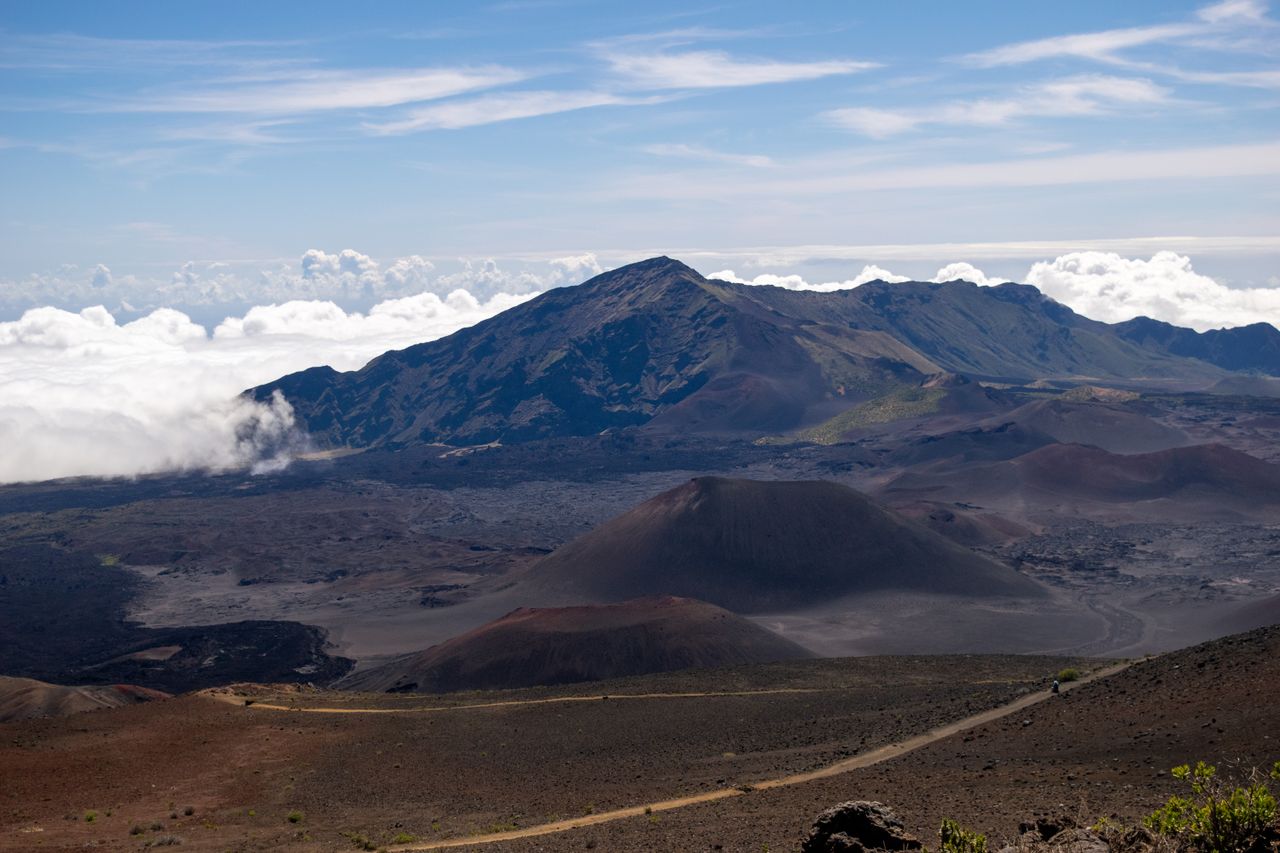
Forum posters describe June daytime temperatures in the 70s to low 80sF while hiking in the late morning and early afternoon, but a sharp drop to the 50s or low 60sF at the summit by early evening - light sweatshirts and jackets are standard advice for anyone staying up top past midday. Posters are consistent that summit weather is highly unpredictable and can change entirely during the drive up, with clear skies at the base sometimes giving way to complete cloud cover by the time you reach the top. Posters note the summit typically runs at least 30F cooler than sea level, with wind adding a real chill factor, especially for sunrise visits. Posters recommend checking the park's own live weather report or NOAA's forecast rather than general weather apps, which posters describe as unreliable for this specific summit microclimate.
Haleakala-forum threads on a July visit describe the summit as genuinely harsh before dawn regardless of season, posters warning it stays cold and windy even in July and recommending real blankets from the hotel for the wait. Regulars call the sunrise moment spectacular but brief, several posters calling a summer sunrise sometimes visually duller since genuinely clear skies mean less dramatic color. Posters recommend staying past sunset instead for real stargazing, several regulars describing a sky full of stars and the Milky Way in full view shortly after dark. Regulars call the Leleiwi Overlook a real standard spot, several threads naming the short quarter-mile hike from its parking area a good alternative to the packed summit. Posters recommend checking forecasts for after-dark clarity, several regulars calling this the standard way to plan a real July stargazing visit. The record: 16.8C days, 12.9C nights, an extraordinarily high 86.8mm across over 24 days and 78 percent humidity.
Haleakala-forum threads on sunrise weather are direct forecasts for the summit run genuinely unreliable, conditions capable of shifting completely between leaving the hotel and reaching the crater rim. Posters call the summit roughly thirty degrees cooler than sea level a real factor, temperatures commonly sitting in the low-to-mid forties before sunrise even during a comfortably warm September on the coast. Regulars recommend a windbreaker layered over something insulating, posters describing wind cutting straight through a sweatshirt alone. Unless an active system is moving through, the summit typically sits above the cloud layer, producing the dramatic halo effect around the rising sun that draws visitors well before dawn. Posters recommend booking the mandatory sunrise reservation ahead with buffer time. Regulars call the reward worth the wake-up regardless of season. The record: 16.8C days feeling like 15C, 13C nights, a high 65mm across nearly 21 days and 78 percent humidity.
Haleakalā's forum is consistent that summit temperatures run far colder than the beach Maui most visitors picture - one December sunrise-goer reported 37F with 30mph wind that made standing outside for more than a few minutes miserable, and posters generally describe highs anywhere from near-freezing to the upper 50s/low 60s F depending on the day. Black ice near the summit road has caught out more than one rental car in December specifically, so checking road conditions before heading up matters. The advice that comes up again and again: weather here changes fast and forecasts are unreliable, so go anyway unless there's an island-wide storm, just bring real warm layers and a flashlight.
Añade tu propia nota desde la ficha de Parque nacional Haleakalā en el mapa.