Clima en Amritsar (Golden Temple) mes a mes
La mejor época para visitar Amritsar (Golden Temple) es febrero, marzo y noviembre — 89/100 en marzo, 28°C y 6 días de lluvia. La mejor temporada es el invierno, de diciembre a febrero (79/100 de media).
El peor mes es junio, con 36/100 — sofocante, algo lluvioso, mala calidad del aire. Ver junio →
Actualizado: septiembre de 2026 · normales climáticas del reanálisis ERA5
¿Planeas un viaje más amplio? Mejor época para visitar India →
Mejor temporada: de diciembre a febrero (79/100 de media) · peor mes: junio (36/100)
- Días
- 28°C
- Noches
- 12°C
- Días de lluvia
- 6
- Sol
- 10.4 h
- Humedad
- 64%
- Horas de luz
- 12 h
Amritsar, mes a mes
Puntuación de confort sobre 100 para el tipo de viaje que mejor le va a Amritsar; la máxima media, los días de lluvia y las horas de sol diarias según las normales climáticas, y cuánta gente suele haber.
Qué hay en Amritsar a lo largo del año
Festivales, espectáculos naturales, festivos y las temporadas que conviene vigilar, seleccionados y con fuente. Las páginas de cada mes tienen el detalle.
- febrero
- Hola Mohalla at Anandpur Sahib25 Feb – 30 Mar (normalmente)Festival
- abril
- Baisakhi13–14 AbrFestival
- mayo
- Pre-monsoon heat1 May – 25 Jun (normalmente)Riesgo
- julio
- Teeyan10 Jul – 25 Ago (normalmente)Festival
- agosto
- Independence Day at Attari-Wagah15 AgoFestivo
- septiembre
- Langur Mela20 Sep – 25 Oct (normalmente)Festival
- octubre
- Bandi Chhor Divas20 Oct – 15 Nov (normalmente)Festival
- Stubble-burning smoke5 Oct – 25 Nov (normalmente)Riesgo
- noviembre
- Guru Nanak Gurpurab5–30 Nov (normalmente)Festival
- diciembre
- Dense winter fog15 Dic – 31 Ene (normalmente)Riesgo
Afluencia en Amritsar en marzo
Cuánta gente hay en el propio lugar: vacaciones escolares y masivas, los meses que marcó el editor y cuánto atrae su clima. Nunca cuenta en la puntuación de confort.
ConcurridoHola Mohalla at Anandpur Sahib, vacaciones escolares en 2 de los mercados que lo llenan(estimado)
Máxima afluenciaConcurridoTemporada mediaTranquilo
Conviene saber antes de ir a Amritsar
Experiencias reales de los propios relatos de viajeros, citadas con un enlace al original.
Costumbres y etiqueta
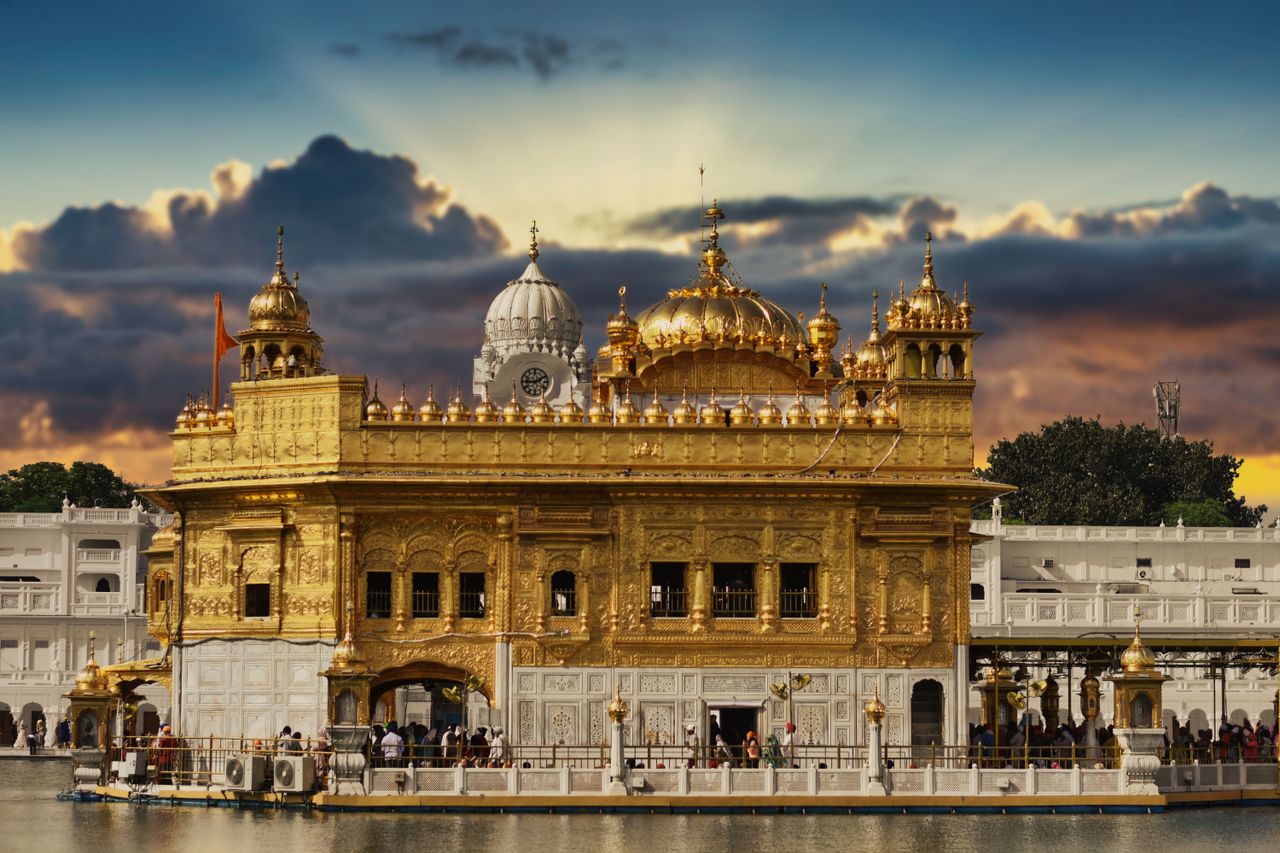
A traveler describes eating at the Golden Temple's langar - the world's largest free community kitchen, serving over 100,000 meals daily to anyone regardless of religion, caste or background - as genuinely humbling rather than just a novel photo opportunity, sitting cross-legged on the floor alongside hundreds of strangers with no distinction made between visitors and pilgrims. She describes the sensory backdrop vividly: the smell of lentils, garlic and onion filling the vast hall, hundreds of volunteers simultaneously rolling flatbreads, chopping vegetables and washing dishes in a coordinated operation that runs continuously around the clock. She specifically recommends joining the volunteer rotation (seva) if time allows, describing her own experience rolling chapatis on the floor alongside dozens of other visitors and locals as more meaningful than simply eating and leaving. Posters generally rate the langar as a genuinely essential part of a Golden Temple visit, not an optional add-on, given how directly it embodies the site's core principle of equality regardless of who's sitting next to you.
Notas de viajeros sobre Amritsar
Lo que cuenta la gente que ha estado allí: primero las notas válidas todo el año y después, mes a mes.
March is one of the better months in Amritsar — days in the mid-20s°C, evenings cool enough that the forum recommends a light sweater or jacket for ceremonies after sunset, the Golden Temple at night being a genuinely different experience from the same place by day. Regulars single out arriving around 4am for Amrit Vela and the Palki Sahib ceremony, back at the hotel by half seven. The figure the forum does not raise: Punjab's air is poor year-round, and March still averages an AQI of 120 — much better than January's 190 or December's 178, but well short of clean.
Forum posters consistently rate September as a good time to visit Amritsar, describing the monsoon as drawing to a close with some lingering humidity and occasional showers, but overall lush, pleasant conditions that stay short of the peak summer heat. Posters cite typical daytime temperatures around 32C and nighttime lows around 23C, warm but noticeably more comfortable than the hotter months, with less rain than the earlier heart of monsoon season. Posters consistently describe Punjab as safe and stable for travelers, noting the India-Pakistan border situation doesn't affect daily tourism, with visitors regularly touring sites like the Wagah Border without issue. Posters generally rate September as a comfortable, workable month to visit Amritsar, monsoon tail-end humidity aside.
Añade tu propia nota desde la ficha de Amritsar en el mapa.