Vancouver hava durumu: ay ay
Vancouver için en iyi zaman Haziran ile Ağustos arası — Temmuz ayında 97/100, 23°C ve 3 yağmurlu gün. En iyi sezon yaz, Haziran ile Ağustos arası (ortalama 93/100).
En kötü ay Aralık: 40/100 — soğuk, sırılsıklam, temiz hava. Aralık ayına bakın →
A city between mountains and sea with a rainforest climate: a long grey wet winter, a short dry summer, and skiing twenty minutes from downtown.
Güncellendi: Eylül 2026 · iklim normalleri ERA5 yeniden analizinden
Daha geniş bir rota mı planlıyorsunuz? Kanada için en iyi zaman →
En iyi sezon: Haziran ile Ağustos arası (ortalama 93/100) · en kötüsü Aralık (40/100)
- Gündüz
- 23°C
- Gece
- 15°C
- Yağmurlu gün
- 3
- Güneş
- 13.3 h
- Nem
- 70%
- Gün ışığı
- 16 h
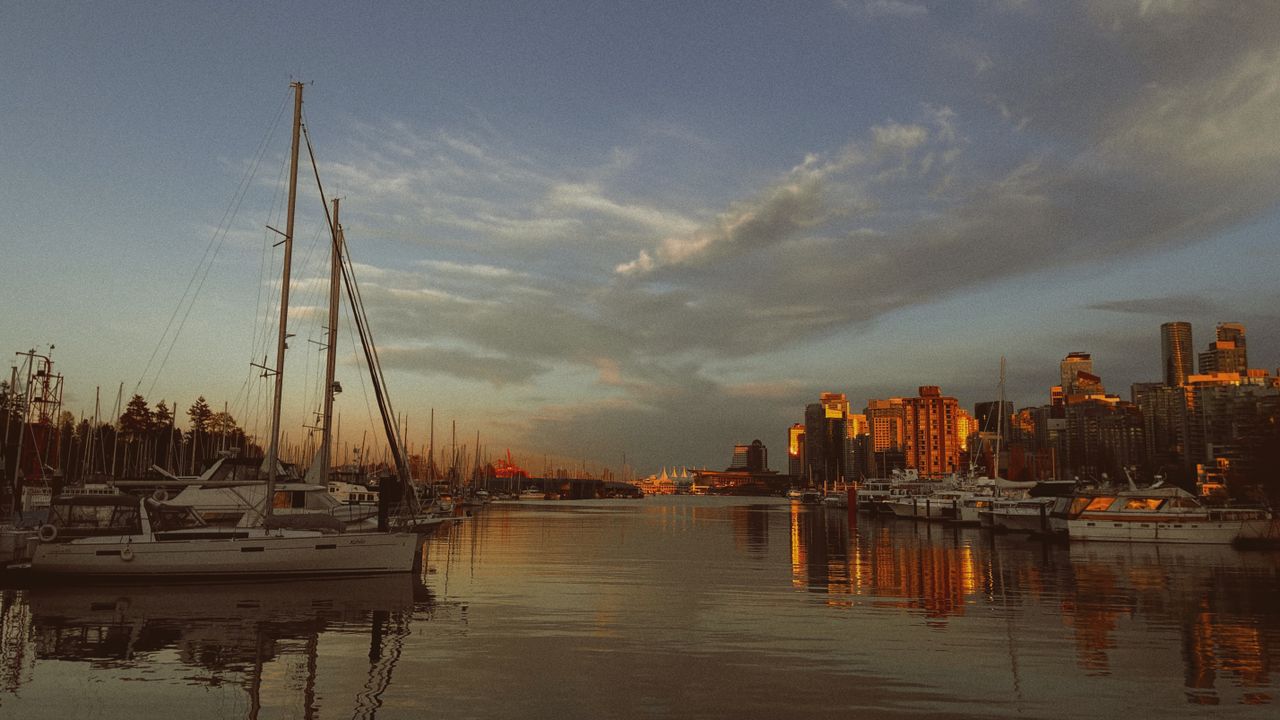
Vancouver, ay ay
Vancouver için en uygun seyahat tarzına göre 100 üzerinden konfor puanı; iklim normallerinden ortalama en yüksek sıcaklık, yağmurlu gün sayısı ve günlük güneş saati; bir de ayın ne kadar kalabalık geçtiği.
Vancouver için her ay nasıl geçer
SeasonMap editörleri tarafından, ortalamalardan değil sahada gerçekten olanlardan yazıldı.
- Ocak
The wettest, greyest month at sea level, but the ski hills above the city are at their best and the seawall is empty.
snowlow season
- Şubat
Still wet, and the cherry blossom starts in the milder neighbourhoods towards the end of the month.
blossomlow season
- Mart
Cherry blossom fills whole streets through the month and the city runs a festival for it; wet and grey between the sun.
blossomfestival
- Nisan
The rain eases, the mountains keep their snow and the city greens: a good quiet month before the season.
shoulder
- Mayıs
Dry and bright, with the North Shore trails clearing of snow and the patios open for the year.
shoulder
- Haziran
Long light evenings and the dry season starting properly, while the alpine is still under snow above the tree line.
shoulder
- Temmuz
The driest, warmest month. The beaches work, the sea does not, and wildfire smoke from the interior is possible.
smokepeak
- Ağustos
The best weather of the year, with the alpine trails open, though smoke from interior fires can settle in for days.
smokepeak
- Eylül
Warm, dry and quiet after the first week, with the salmon running and the first rain at the end of the month.
harvestshoulder
- Ekim
The rain returns for the winter, the mountains take their first snow, and the parks are at their best colour.
harvestshoulder
- Kasım
The wettest month, dark and grey, with the ski season starting on the local hills at the end of it.
snowlow season
- Aralık
Wet at sea level and snowing above it, dark by half past four, and the mountain season fully open.
snowlow season
Yıl boyunca Vancouver: neler var
Festivaller, doğa gösterileri, tatiller ve dikkat edilmesi gereken sezonlar — elle derlendi ve kaynağıyla verildi. Ayrıntılar ay sayfalarında.
- Mart
- Vancouver Cherry Blossom Festival27 Mar – 12 NisFestival
- Cherry blossom15 Mar – 20 Nis (genelde)Doğa
- Haziran
- Concord Pacific Dragon Boat Festival15–30 Haz (genelde)Festival
- Temmuz
- Canada Day1 TemTatil
- Wildfire smoke risk15 Tem – 15 Eyl (genelde)Risk
- The dry season1 Tem – 10 Eyl (genelde)Sezon
- Alpine trails clear1 Tem – 5 Eki (genelde)Açılış
- Ağustos
- The PNE fair15 Ağu – 8 Eyl (genelde)Festival
- Ekim
- Vancouver International Film Festival1–11 EkiFestival
- Salmon run1 Eki – 10 Kas (genelde)Doğa
- Aralık
- Christmas Day closures24 Ara – 1 OcaTatil
- North Shore ski season5 Ara – 5 Nis (genelde)Sezon
Temmuz ayında Vancouver kalabalığı
Yerin kendisinin ne kadar yoğun olduğu — okul ve toplu tatiller, bir editörün işaretlediği aylar ve havanın orayı ne kadar rağbet görür kıldığı. Konfor puanına asla dahil edilmez.
Çok kalabalıkeditörün seçtiği zirve ay, Canada Day, Kanada genelinde Summer break
Çok kalabalıkKalabalıkAra sezonSakin
Vancouver için yola çıkmadan önce bilmekte fayda var
Gezginlerin kendi yazdıklarından gerçek deneyimler; orijinaline bağlantı verilerek alıntılandı.
Vize ve giriş
A traveler admits she nearly talked herself out of renting a bike to ride Stanley Park's Seawall, worried it would be more hassle than it was worth - but ended up calling the ride one of her favorite memories of the entire trip. The Seawall itself runs a fully paved 9km loop around the park's perimeter with a dedicated, physically separated cycling lane the whole way, making it low-stress even for an infrequent cyclist, with the full loop taking roughly an hour at an easy pace. She rented near the corner of Denman and Georgia (Spokes Bicycle Rentals is the commonly cited option), where a bike, helmet and lock came bundled together, and specifically recommends building in stops rather than treating it as a straight ride - Coal Harbour's marina views partway around are worth pausing for. Posters generally rate the Seawall ride as one of the most efficient, low-friction ways to see a meaningful chunk of Vancouver in a single morning or afternoon.
Vancouver için gezgin notları
Gidenlerin orası hakkında söyledikleri — önce yıl boyu geçerli notlar, sonra ay ay.
Depending on who you talk to, or perhaps, when, Vancouver's climate is either much maligned or envied. Late fall and winter are typically damp with clouds smothering the sky like a wet grey blanket (there's a reason Vancouver is sometimes referred to as the "Wet Coast"). But there are benefits to all that rain: it's usually not snowing (unlike most of the rest of Canada) and it leads to a gorgeous display of colour with the start of spring in early March. And that's where Vancouver really shines – the spring and summer. Springs can still be wet, but it gets warmer and the shrubs, blossom trees and flowers put on a pretty show. Summer days are long and usually sunny with little humidity. Summer daylight lasts from 5:15AM to as late as 9:15PM in late June. Summer temperatures from mid-June to early-Sept are mostly comfortable. Temperatures peak in late July and early August with an average daytime highs around 23°C and overnight lows around 15°C.…
Vancouver forum regulars describe January plainly: “grey skies and rain...temperatures around 2-5 degrees Celsius,” with frost at night and in the morning but daytime readings usually staying just above freezing — “it rains a lot in Vancouver in Dec/Jan (180mm on average)” is the number that keeps coming up, rain being the default rather than the exception. Every building runs heated, so the standard advice is to dress in outdoor layers you can shed indoors rather than one heavy coat throughout. With the outdoors soggy, regulars redirect visitors toward museums, theatre and concerts, plus indoor-adjacent options like Granville Island and the Capilano Suspension Bridge on a drier window. Our record backs the wet read hard: 367.6mm of rain across 20.2 days and 35.1cm of snow for the month — the wettest stretch of the year here, not a quiet winter lull.
Vancouver forum threads describe February as a grey, damp month rather than a genuinely cold one - typical highs around 8-10C, lows around 2-4C, with real snow described as rare here even in winter. Rain was flagged as the defining feature, with posters citing around 16 rainy days and roughly 105mm of rainfall typical for the month, and the persistent dampness described as making the temperature feel colder than the number alone suggests. A few threads noted that late February can bring a genuine burst of sun and milder air, sometimes into the teens Celsius, so the month isn't uniformly bleak - just consistently in need of proper rain layers, a warm hat and gloves for the grey stretches.
Regulars describe this month as genuinely variable rather than settled either way - some stretches bring drizzly, grey days, others string together enough sunshine that people sunbathe on the beach - with the reassurance that a real multi-day soak is unusual, more like three wet days than ten in a row. Our row backs the mild, damp-leaning read, 17.5C over 9.7C nights, with 51.1mm of rain across 7.6 days. Regulars are specific that the back half of the month, sliding into June, tends to bring less rain and warmer afternoons than the front half. The standard packing advice is layering plus an umbrella - jeans and t-shirts for a sunny stretch, a light jacket for the cooler or wetter one. The sea sits at a cool 15.3C. The record: humidity 74 percent, 11.2 hours of sun and AQI 50.
June gloom is the local name and regulars will tell you the grey holds until about mid-July - but they also describe what it actually is: drizzle rather than rain, rarely all day and rarely everywhere, with some Junes spent in shorts with the windows open. Our row sides with the optimists on two counts. Rain is 47.7mm across 6.5 days, and there are 12.1 hours of sun inside 16.2 of daylight, which is not a grey month by any measure. What it is not is warm: 20C days and 12.2C nights, with a 16.5C sea. The other thing June has is quiet, because Canadian schools do not break until its last week. The record: humidity 73 percent and AQI 48.
July is Vancouver's most stable month — the forum calls it reliably sunny, warm and dry, with an average high near 23°C and rain on only five or six days, though posters stress the range can run anywhere from 18°C to the low 30s depending on the year. Pack for both ends: shorts and a swimsuit, but also jeans, a hoodie and a waterproof layer, and reckon on about five degrees cooler if you carry on into the Rockies. The catch is volume rather than weather — July is peak season, with two or three cruise ships disembarking a day.
August in Vancouver is warm, sunny and dry - the city does not get the heat and humidity that eastern North American cities do, and July through September carries very little rain, our row putting August at 3.8 precipitation days. The forum's reservation is smoke. Late July and August fall inside wildfire season, and regulars have gone as far as advising against those weeks in bad years, with reports of haze thick enough to set off asthma; September and October usually bring the wind that clears it. The other August cost is company, because peak cruise season runs June to September. The record: 23.2C days that feel like 24C, 14.6C nights, 11.8 hours of sun and a 19.1C sea.
Regulars describe the first two weeks of this month as essentially a cooler continuation of late August, with the chance of rain and cooler temperatures both increasing steadily as the month progresses - a genuine within-month gradient rather than one flat verdict. Our row backs the mild, still-summery average, 19C over 11.7C nights, with 77.1mm of rain across 8.4 days. Regulars call this one of the driest months of the year overall, with the trade for coming later in the month being noticeably thinner crowds and shorter waits at popular activities. The sea sits at 16.8C. The record: humidity 80 percent, 9.1 hours of sun, a 9.9 kph wind and AQI 46.
Haritada Vancouver kartından kendi notunuzu ekleyin.