Tokyo hava durumu: ay ay
Tokyo için en iyi zaman Nisan, Mayıs ve Kasım — Mayıs ayında 85/100, 24°C ve 12 yağmurlu gün. En iyi sezon ilkbahar, Mart ile Mayıs arası (ortalama 78/100).
En kötü ay Temmuz: 58/100 — bunaltıcı, sırılsıklam, boğucu nem. Temmuz ayına bakın →
A vast, detailed, low-crime city best taken one neighbourhood at a time, with a sharp four-season calendar the whole country plans its year around.
Güncellendi: Eylül 2026 · iklim normalleri ERA5 yeniden analizinden
Daha geniş bir rota mı planlıyorsunuz? Japonya için en iyi zaman →
En iyi sezon: Mart ile Mayıs arası (ortalama 78/100) · en kötüsü Temmuz (58/100)
- Gündüz
- 24°C
- Gece
- 15°C
- Yağmurlu gün
- 12
- Güneş
- 8.7 h
- Nem
- 77%
- Gün ışığı
- 14 h
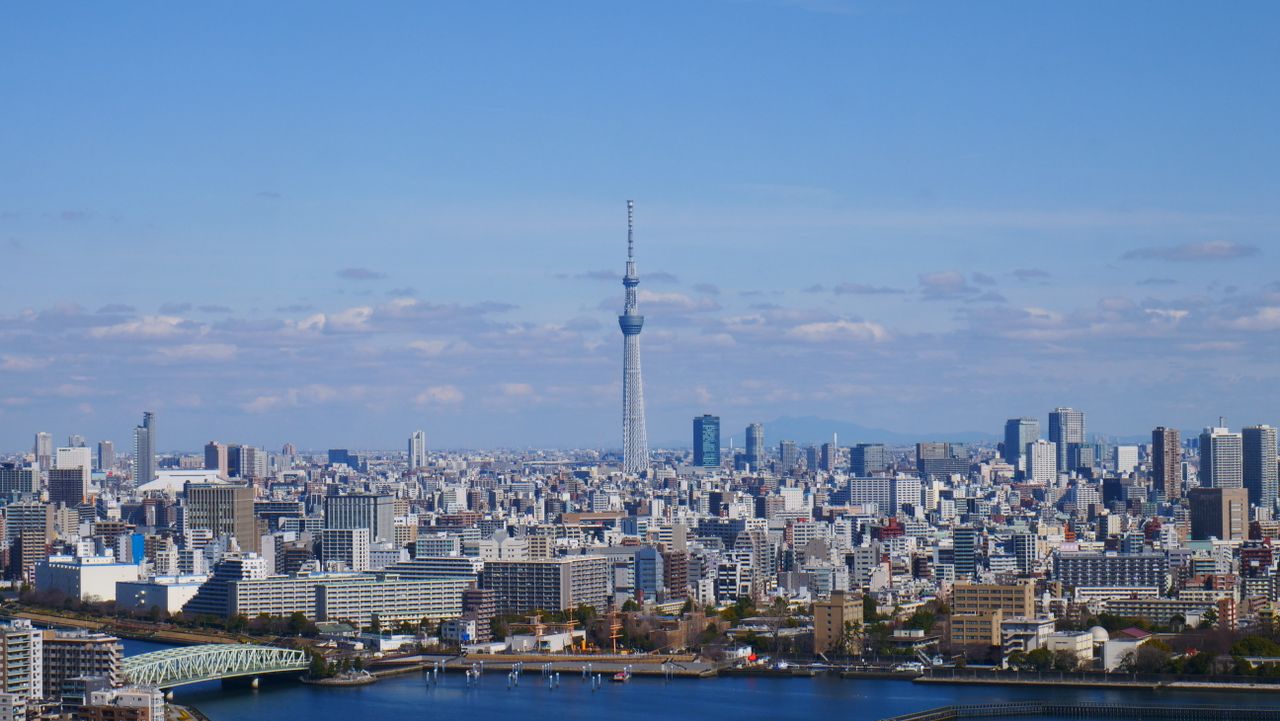
Tokyo, ay ay
Tokyo için en uygun seyahat tarzına göre 100 üzerinden konfor puanı; iklim normallerinden ortalama en yüksek sıcaklık, yağmurlu gün sayısı ve günlük güneş saati; bir de ayın ne kadar kalabalık geçtiği.
Tokyo için her ay nasıl geçer
SeasonMap editörleri tarafından, ortalamalardan değil sahada gerçekten olanlardan yazıldı.
- Ocak
Dry, cold and the clearest skies of the year, with Fuji visible from the western suburbs. The city closes almost entirely for the first three days.
closedquiet
- Şubat
The coldest month. Plum blossom in the parks from the middle of it, and the cedar pollen season beginning.
blossomlow season
- Mart
Pollen peaks and so does anticipation: the cherry blossom front usually reaches Tokyo in the last week of March.
blossomshoulder
- Nisan
Hanami. The blossom usually peaks in the first days of April and the parks fill with tarpaulins and parties, day and night.
blossompeakfestival
- Mayıs
The best weather of the year, but Golden Week in the first week puts the entire country on the move and fills every train and hotel.
holidaypeak
- Haziran
Tsuyu, the rain season, usually sets in during the second week: warm, grey and humid, with hydrangeas as the compensation.
monsoonlow season
- Temmuz
The rains lift late in the month into heavy heat and humidity, and the river fireworks festivals run through the summer evenings.
festivalpeak
- Ağustos
The hottest, most humid month, with typhoons possible. Obon in the middle sends much of the city back to its home towns.
typhoonholiday
- Eylül
Still hot, and the peak of the typhoon season. The heat only really breaks in the last week.
typhoonlow season
- Ekim
The other best month: dry, clear and warm, with the autumn festival season and very little rain.
peak
- Kasım
Autumn colour reaches the city gardens in the second half of the month, under low clean light.
harvestshoulder
- Aralık
Cold, dry and lit up. The city works to the very end of the month and then shuts almost completely for New Year.
closedfestival
Yıl boyunca Tokyo: neler var
Festivaller, doğa gösterileri, tatiller ve dikkat edilmesi gereken sezonlar — elle derlendi ve kaynağıyla verildi. Ayrıntılar ay sayfalarında.
- Şubat
- Plum blossom10 Şub – 10 Mar (genelde)Doğa
- Cedar pollen season10 Şub – 20 Nis (genelde)Risk
- Mart
- Cherry blossom22 Mar – 8 Nis (genelde)Doğa
- Nisan
- Golden Week29 Nis – 5 MayTatil
- Mayıs
- Sanja Matsuri15–17 MayFestival
- Haziran
- Tsuyu, the rain season8 Haz – 20 Tem (genelde)Sezon
- Temmuz
- Sumida River fireworks25 TemFestival
- Ağustos
- Obon13–16 AğuTatil
- Typhoon season1 Ağu – 10 Eki (genelde)Risk
- Kasım
- Autumn colour15 Kas – 10 Ara (genelde)Doğa
- Aralık
- New Year shutdown29 Ara – 3 OcaTatil
Mayıs ayında Tokyo kalabalığı
Yerin kendisinin ne kadar yoğun olduğu — okul ve toplu tatiller, bir editörün işaretlediği aylar ve havanın orayı ne kadar rağbet görür kıldığı. Konfor puanına asla dahil edilmez.
Çok kalabalıkeditörün seçtiği zirve ay, Golden Week, Sanja Matsuri
Çok kalabalıkKalabalıkAra sezonSakin
Tokyo için yola çıkmadan önce bilmekte fayda var
Gezginlerin kendi yazdıklarından gerçek deneyimler; orijinaline bağlantı verilerek alıntılandı.
Görgü ve gelenekler
A traveler who lived in Japan admits to breaking several unwritten train etiquette rules early on, partly from not knowing better - putting on makeup on the subway and eating an apple while walking through a crowded station, both of which drew visible (if silent) disapproval. A separate account describes the escalator norm catching a visitor off guard at Shinjuku Station: passengers stand single-file on one side (left in Tokyo, right in Osaka) leaving the other side clear for walkers, and stepping into the wrong lane with a suitcase immediately marks you as a first-timer. The broader pattern travelers report learning the hard way: eating on local trains, talking loudly, and blocking a side of the escalator are the fastest ways to feel eyes on you in Japan, even though no one will actually say anything.
Tokyo için gezgin notları
Gidenlerin orası hakkında söyledikleri — önce yıl boyu geçerli notlar, sonra ay ay.
Tokyo is classified as lying in the humid subtropical climate zone and has five distinct seasons. * Spring kicks off with plum blossoms in late February, followed by the famous cherry blossoms (sakura) in March–April. Parks, most famously Ueno, fill up with blue tarps and sozzled salarymen. * Rainy season (baiu or tsuyu) in late May to June means a month of overcast skies and drizzle punctuated with downpours, with temperatures in the twenties. * Summer really kicks off in July, with clear skies and brutal steam bath humidity. Daytime maximums tend to average around 31°C with some days around 34°C or higher, but the humidity can make those temperatures feel like 34°C and 41°C, respectively. Overnight lows average around 25°C with some nights at 27°C or higher, but even those temperatures given the humidity can feel like 26°C and 31°C. A short walk outside will leave you drenched in sweat, so this is probably the worst time of year to visit, and is best avoided if you have a choice.…
A resident's description of a typical January day is the most useful thing on the thread: "the day would start very cold around 0°C, but the continuing sunshine could warm the air up to 10°C" — and if it's cloudy instead, "the temperature would stay around 5°C the whole day." So the sun does the work. What surprises people expecting a grey northern winter is how clear it is: dry air, "no snow and no rain, and even no clouds," completely blue skies. Snow is the exception, not the rule — "it usually won't snow apart from 1–2 exceptional days in January and February" — and rain "can happen, but not often." Wind is described as mild. Long sleeves, a sweater and a coat cover it. Our record agrees on the shape: 8.5°C days, 0.3°C nights, only 6.4 rain days and 7.6 hours of sun.
Tokyo-forum threads on February weather describe a month that's genuinely cold but reliably clear - sunny, dry, 'brisk' days rather than the grey damp of a European winter. The packing advice is thorough: a proper coat, thermal base layers, gloves and a scarf for outside, but posters are equally insistent that trains and indoor spaces run heated to the point of overheating, so the layers need to come off easily rather than staying zipped up all day. The payoff for the cold is lower crowds than any other season. The record: 11.6C days feeling like 8C, 2C nights, 48mm of rain across 7.1 days, 3.8cm of snowfall and 8.4 hours of sun - genuinely cold, with enough rain and a little snow mixed through the month's clear stretches.
Late March is my pick: blossom in Meguro and Ueno, 15°C, dry and clear. Early March is still properly cold in the wind. Note that the score doesn't know about hay fever season — cedar pollen is brutal here if you're susceptible.
Tokyo's April threads are mostly one question — will I still catch the blossom? The forum's answer: the standard Somei-yoshino peak usually runs about 25 March to 2 April, takes six or seven days to reach full bloom from opening, and lasts roughly a week once there, less if it rains or blows. Arrive mid-April and you have probably missed the main event, though Shinjuku Gyoen's later varieties carry on into May and Kawaguchi-ko, higher and cooler, tends to peak mid-month. The weather itself is mild — highs around 17°C — but wet on roughly a third of days, which is exactly what cuts a bloom short.
Tokyo-forum threads on Golden Week (the run of holidays through early May) make a distinction worth knowing: Tokyoites leave the city for the break, so ordinary neighbourhoods and trains actually get quieter even as sightseeing spots and shopping districts fill with domestic travellers. Regulars steer visitors toward the second half of the month instead, once the holiday clears, for the same pleasant weather with thinner crowds. May's record: 24.1C days, 14.9C nights, 128mm of rain across nearly twelve days, 8.7 hours of sun and an AQI of 75 - warm and humid enough to read as early summer, not spring.
Tokyo's forum is blunt about July: early in the month it's still rainy season, humid and overcast, with the rains usually breaking around mid-month into properly hot, intensely humid weather — mid-30s°C with the urban heat island making it feel hotter. Regulars' standard advice is frequent stops at convenience stores to rehydrate and ducking into air-conditioned buildings whenever possible.
Tokyo-forum threads asking if August really is that hot get a consistent yes, posters comparing the combination of heat and humidity to Houston or Dallas at their peak, occasionally worse. A long, steady multi-day soak is called rare unless a typhoon happens to track nearby - the more typical pattern is a sudden, heavy afternoon squall once the air turns oppressively muggy, clearing within an hour or so. The Obon holiday falls mid-month, when many businesses close and inter-city trains get noticeably more crowded. Regulars recommend planning around the worst midday heat - museums, department stores and shaded shrine grounds over long outdoor stretches - and treating frequent convenience-store stops for cold drinks as a genuine survival strategy. The record: 32.1C days feeling like a punishing 37C, 24.6C nights, 116mm across 11.6 days, an 28.8C sea, 80 percent humidity and 9.9 hours of sun.
September looks decent and is a gamble: the first half is still summer humidity, and typhoon season peaks now. I've had a perfect week and I've had two days indoors watching trains cancel. Late September is safer than early.
Forum posters consistently rate October as one of the best months to visit Japan, with average Tokyo temperatures around 17C - not too hot, not too cold. Posters describe early October as sometimes still a bit warm, cooling further as the month progresses, with short sleeves comfortable by day and a jacket or sweater needed once temperatures drop at night. Posters generally describe October and November as reliably dry with great weather, though they flag a real caveat: lingering typhoon risk means rainfall totals can vary a lot from year to year even in this generally favorable stretch. Posters consistently note October isn't Tokyo's busiest tourist season, a real bonus alongside the comfortable weather.
Tokyo's November threads are unanimous about timing: the autumn colour arrives mid-to-late month, and the first week or so has hardly any unless you head up to Nikkō. The weather cooperates — highs near 17°C, not especially wet, and a sweater or light jacket enough by day, with something warmer wanted once lows drop toward 9°C in the evening. Peak foliage shifts by a few days each year, so the standing advice is to check that season's reports rather than book on averages.
Haritada Tokyo kartından kendi notunuzu ekleyin.