อากาศพาราณสี รายเดือน
ช่วงที่ควรไปพาราณสีที่สุดคือธันวาคม ถึง กุมภาพันธ์ — เดือนธันวาคมได้ 92/100, 24°C และฝนตก 1 วัน ฤดูที่ดีที่สุดคือฤดูหนาว ธันวาคม ถึง กุมภาพันธ์ (เฉลี่ย 89/100)
เดือนที่แย่ที่สุดคือเดือนกรกฎาคม ที่ 31/100 — ร้อนอบอ้าว, ฝนถล่ม, อากาศอบอ้าว ดูเดือนกรกฎาคม →
อัปเดต กันยายน 2026 · ค่าเฉลี่ยภูมิอากาศจากข้อมูลย้อนหลัง ERA5
กำลังวางแผนทริปทั้งทริปอยู่หรือเปล่า ช่วงที่ควรไปประเทศอินเดีย →
ฤดูที่ดีที่สุด: ธันวาคม ถึง กุมภาพันธ์ (เฉลี่ย 89/100) · แย่ที่สุดเดือนกรกฎาคม (31/100)
- กลางวัน
- 24°C
- กลางคืน
- 11°C
- วันฝนตก
- 1
- แดด
- 9.3 h
- ความชื้น
- 70%
- ช่วงกลางวัน
- 11 h
พาราณสี เดือนต่อเดือน
คะแนนความสบายเต็ม 100 สำหรับทริปแบบที่พาราณสีเหมาะที่สุด พร้อมอุณหภูมิสูงสุดเฉลี่ย วันฝนตก และชั่วโมงแสงแดดต่อวันจากค่าเฉลี่ยภูมิอากาศ และที่นี่คนเยอะแค่ไหน
กิจกรรมในพาราณสีตลอดทั้งปี
เทศกาล ปรากฏการณ์ธรรมชาติ วันหยุด และฤดูกาลที่ต้องระวัง คัดมาพร้อมแหล่งอ้างอิง รายละเอียดอยู่ในหน้าของแต่ละเดือน
- มกราคม
- Makar Sankranti13–16 ม.ค.เทศกาล
- กุมภาพันธ์
- Mahashivratri10 ก.พ. – 15 มี.ค. (โดยทั่วไป)เทศกาล
- Holi25 ก.พ. – 20 มี.ค. (โดยทั่วไป)เทศกาล
- เมษายน
- Buddha Purnima at Sarnath25 เม.ย. – 25 พ.ค. (โดยทั่วไป)เทศกาล
- Plains summer15 เม.ย. – 20 มิ.ย. (โดยทั่วไป)ฤดูกาล
- กรกฎาคม
- Ghats under water25 ก.ค. – 15 ก.ย. (โดยทั่วไป)ภัยธรรมชาติ
- กันยายน
- Ramnagar Ramlila5 ก.ย. – 15 ต.ค. (โดยทั่วไป)เทศกาล
- ตุลาคม
- Chhath Puja24 ต.ค. – 22 พ.ย. (โดยทั่วไป)เทศกาล
- Post-Diwali smog25 ต.ค. – 10 ก.พ. (โดยทั่วไป)ภัยธรรมชาติ
- พฤศจิกายน
- Dev Deepawali24 พ.ย.เทศกาล
- ธันวาคม
- Winter fog15 ธ.ค. – 31 ม.ค. (โดยทั่วไป)ภัยธรรมชาติ
ผู้คนในพาราณสี เดือนธันวาคม
ที่แห่งนี้คนแน่นแค่ไหน — ปิดเทอมและวันหยุดยาว เดือนที่บรรณาธิการระบุไว้ และสภาพอากาศทำให้เดือนนั้นเป็นที่ต้องการแค่ไหน ไม่เคยถูกนับรวมในคะแนนความสบาย
คนเยอะWinter breakในประเทศอินเดีย, ปิดเทอมใน 4 ตลาดหลักที่ส่งคนมาที่นี่(ประมาณการ)
คนแน่นที่สุดคนเยอะช่วงรอยต่อฤดูคนน้อย
เรื่องควรรู้ก่อนไปพาราณสี
ประสบการณ์จริงจากบันทึกของนักเดินทางเอง อ้างอิงพร้อมลิงก์ไปต้นทาง
ธรรมเนียมและมารยาท
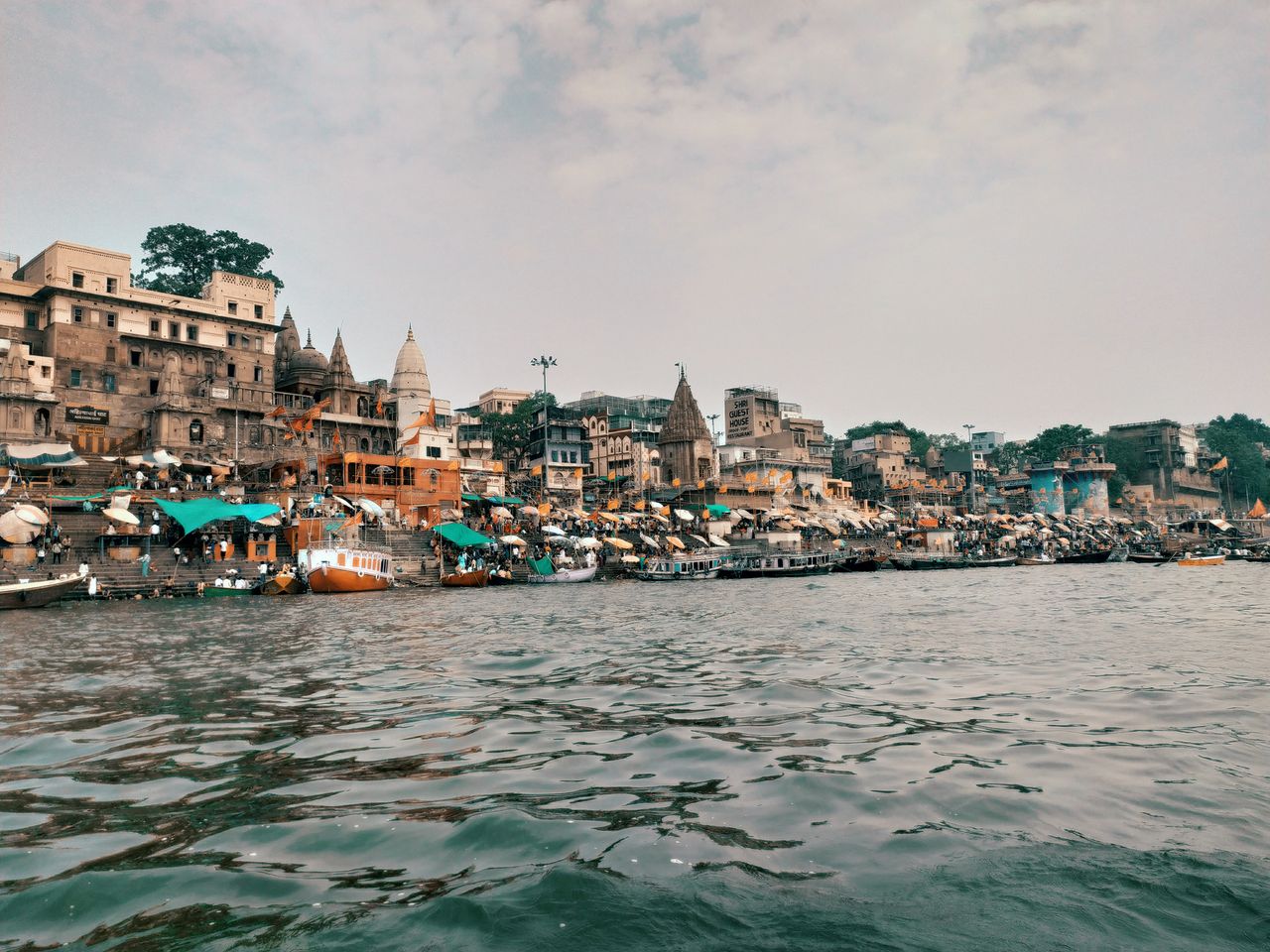
A traveler describes a sunset boat tour past Varanasi's cremation ghats as a genuinely intense, direct confrontation with death and ritual that most Western travel experiences never come close to - watching funeral pyres burn at Manikarnika Ghat, one of the oldest cremation sites in the city dating back at least to the 5th century, from a respectful distance on the water. She's specific about the etiquette: photography is explicitly not permitted at the cremation ghats themselves, and tourists gathering too close or too visibly are genuinely not welcome there, a boundary worth taking seriously rather than testing. Other visitors recommend the dawn version instead of sunset specifically, describing a 45-minute-to-hour boat ride departing Dashashwamedh or Assi Ghat between 5 and 6am as calmer and less crowded than walking the ghats on foot, with pujas, pilgrims bathing, and sadhus meditating all visible from the water alongside daily life like laundry being washed. Posters generally rate the boat approach as the more respectful, and often more peaceful, way to witness Varanasi's ghats than walking directly past the cremation sites on land.
บันทึกจากนักเดินทางเกี่ยวกับพาราณสี
คนที่เคยไปมาแล้วพูดถึงที่นี่ว่าอย่างไร — เริ่มจากบันทึกที่ใช้ได้ตลอดทั้งปี แล้วไล่ทีละเดือน
Varanasi forum threads describe January as part of the winter tourist season, with a typical daytime high around 24C but posters noting the coldest mornings can dip to just 2-3C, a real contrast within the same day. Morning and evening fog was described as common, and posters were consistent that a dawn boat ride on the Ganges specifically calls for a jacket given how cold it runs before sunrise. Real air quality was flagged as a genuine concern this time of year, with posters citing a typical January AQI in the 180-250 range as low winds and fog trap smoke from vehicle exhaust, incense and the ghats. The standard packing advice was double layers - warm enough for the cold mornings and evenings, light enough to shed once the midday sun brings real warmth.
Varanasi's forum consistently recommends February over the fog-bound weeks of December and January — the same cool, comfortable temperatures, but clear skies for the ghats and the boat rides at dawn. Regulars note it still draws real crowds around Mahashivratri, so check the date before booking.
March is the end of the cool dry season here and it heats through itself: regulars put mid-March around 35C by day, and our monthly average of 33.3C over 17.5C shows how cold the nights still are at the start. Holi moves with the lunar calendar and lands somewhere in March, so check the year - the city is crowded on the day and merely busy the week before, when only a few children are throwing colour. The ghats fill twice daily regardless, for the morning boats and the evening aarti. Rain is negligible at 16.5mm. The season's cost is the air, AQI 130, with no rain due for three months. The record: humidity 50 percent and 10.8 hours of sun.
Varanasi forum regulars are direct that August is rainy, hot and humid, typical daytime readings “28-34°C,” with occasional heavy rain or thunderstorms and monsoon retreat not really beginning until early September. The practical impact regulars flag first: the ghats are normally flooded in August and boat rides are suspended, so the riverside experience the city is famous for runs differently than photos suggest — fine to go, but without the usual access. August also falls in the Hindu holy month of Shravan, meaning genuinely heavier pilgrim crowds and more religious activity in the city, a real factor alongside the weather. Regulars steer visitors toward October-March as the actually ideal window, with late August as the better half of the wet season if summer dates are fixed. Our record: 31.7°C days, feels-like 38°C, 247.8mm of rain and 23 rain days — hot, humid and genuinely one of the wettest months, matching the “flooded ghats, heavy monsoon” read exactly.
Regulars call this the real start of the tourist season here, marking the point where the monsoon's grip finally breaks - the skies clear, the Ganges itself runs cleaner, and every type of boat ride along the ghats becomes reliably operational again after the rainy months. Our row backs that transitional, still-warm read, 32.9C reading as a hot 37C, over 21.5C nights, with 69.4mm of rain across 5.4 days and humidity at 76 percent. Regulars are consistent that midday can still call for AC despite the season technically turning, with genuinely cool weather not arriving until November. Evening aarti ceremonies along the ghats are specifically recommended now that the crowds and cleaner river make for easier viewing. The record: 9.5 hours of sun, a 9.9 kph wind and AQI 124.
November is the season here in both senses. The weather turns favourable - regulars give 25 to 28C and our row reads 29.2C days over 15.4C nights with essentially no rain, 1.4mm - and the ghats fill, because Dev Deepawali falls in this month on a lunar date that moves, lighting the steps with thousands of oil lamps, with Nag Nathaiya alongside it. Boats run at dusk and the hotels need booking well ahead. The figure to weigh against all of that is the air: AQI 165, the highest in this collection, in the post-monsoon still that also gives the month its clear dry days. The record: humidity 66 percent, 9.8 hours of sun and a 9.4 kph wind.
December is the month regulars recommend for Varanasi - the winter window of November to February, cold enough to walk the ghats all day without wilting. Their figures run 10C at night to about 20 or 25C by day, which our row gives as 11.1C and 23.9C. The complication is fog, which settles over the north Indian plain in this season and thickens in the second half of December, sitting on the river at dawn and evening and, more practically, delaying trains by hours or cancelling them outright - build slack into the itinerary. Our row adds the figure the forum does not discuss: AQI 165, the winter air of the Gangetic plain. The record: 0.9 precipitation days carrying 8.5mm, humidity 70 percent and 9.3 hours of sun.
เพิ่มบันทึกของคุณเองได้จากการ์ดของพาราณสีบนแผนที่