อากาศทอร์เชาน์ รายเดือน
ช่วงที่ควรไปทอร์เชาน์ที่สุดคือมิถุนายน ถึง สิงหาคม — เดือนกรกฎาคมได้ 83/100, 14°C และฝนตก 16 วัน ฤดูที่ดีที่สุดคือฤดูร้อน มิถุนายน ถึง สิงหาคม (เฉลี่ย 82/100)
เดือนที่แย่ที่สุดคือเดือนธันวาคม ที่ 43/100 — หนาว, ฝนเยอะ, อากาศสะอาด ดูเดือนธันวาคม →
อัปเดต กันยายน 2026 · ค่าเฉลี่ยภูมิอากาศจากข้อมูลย้อนหลัง ERA5
ฤดูที่ดีที่สุด: มิถุนายน ถึง สิงหาคม (เฉลี่ย 82/100) · แย่ที่สุดเดือนธันวาคม (43/100)
- กลางวัน
- 14°C
- กลางคืน
- 10°C
- วันฝนตก
- 16
- แดด
- 9.3 h
- ความชื้น
- 89%
- ช่วงกลางวัน
- 19 h
ทอร์เชาน์ เดือนต่อเดือน
คะแนนความสบายเต็ม 100 สำหรับทริปแบบที่ทอร์เชาน์เหมาะที่สุด พร้อมอุณหภูมิสูงสุดเฉลี่ย วันฝนตก และชั่วโมงแสงแดดต่อวันจากค่าเฉลี่ยภูมิอากาศ และที่นี่คนเยอะแค่ไหน
กิจกรรมในทอร์เชาน์ตลอดทั้งปี
เทศกาล ปรากฏการณ์ธรรมชาติ วันหยุด และฤดูกาลที่ต้องระวัง คัดมาพร้อมแหล่งอ้างอิง รายละเอียดอยู่ในหน้าของแต่ละเดือน
- เมษายน
- Paid and closed walking routes1 เม.ย. – 15 มิ.ย. (โดยทั่วไป)กฎท้องถิ่น
- พฤษภาคม
- Mykines boats and puffins1 พ.ค. – 31 ส.ค.เปิดให้บริการ
- กรกฎาคม
- G! Festival16–18 ก.ค.เทศกาล
- Olavsoka28–30 ก.ค.วันหยุด
- กันยายน
- HOYMA25 ก.ย. – 5 พ.ย. (โดยทั่วไป)เทศกาล
- ตุลาคม
- Atlantic gale season1 ต.ค. – 31 มี.ค. (โดยทั่วไป)ภัยธรรมชาติ
ผู้คนในทอร์เชาน์ เดือนกรกฎาคม
ที่แห่งนี้คนแน่นแค่ไหน — ปิดเทอมและวันหยุดยาว เดือนที่บรรณาธิการระบุไว้ และสภาพอากาศทำให้เดือนนั้นเป็นที่ต้องการแค่ไหน ไม่เคยถูกนับรวมในคะแนนความสบาย
คนเยอะOlavsoka, ปิดเทอมใน 7 ตลาดหลักที่ส่งคนมาที่นี่(ประมาณการ)
คนแน่นที่สุดคนเยอะช่วงรอยต่อฤดูคนน้อย
เรื่องควรรู้ก่อนไปทอร์เชาน์
ประสบการณ์จริงจากบันทึกของนักเดินทางเอง อ้างอิงพร้อมลิงก์ไปต้นทาง
วีซ่าและการเข้าเมือง
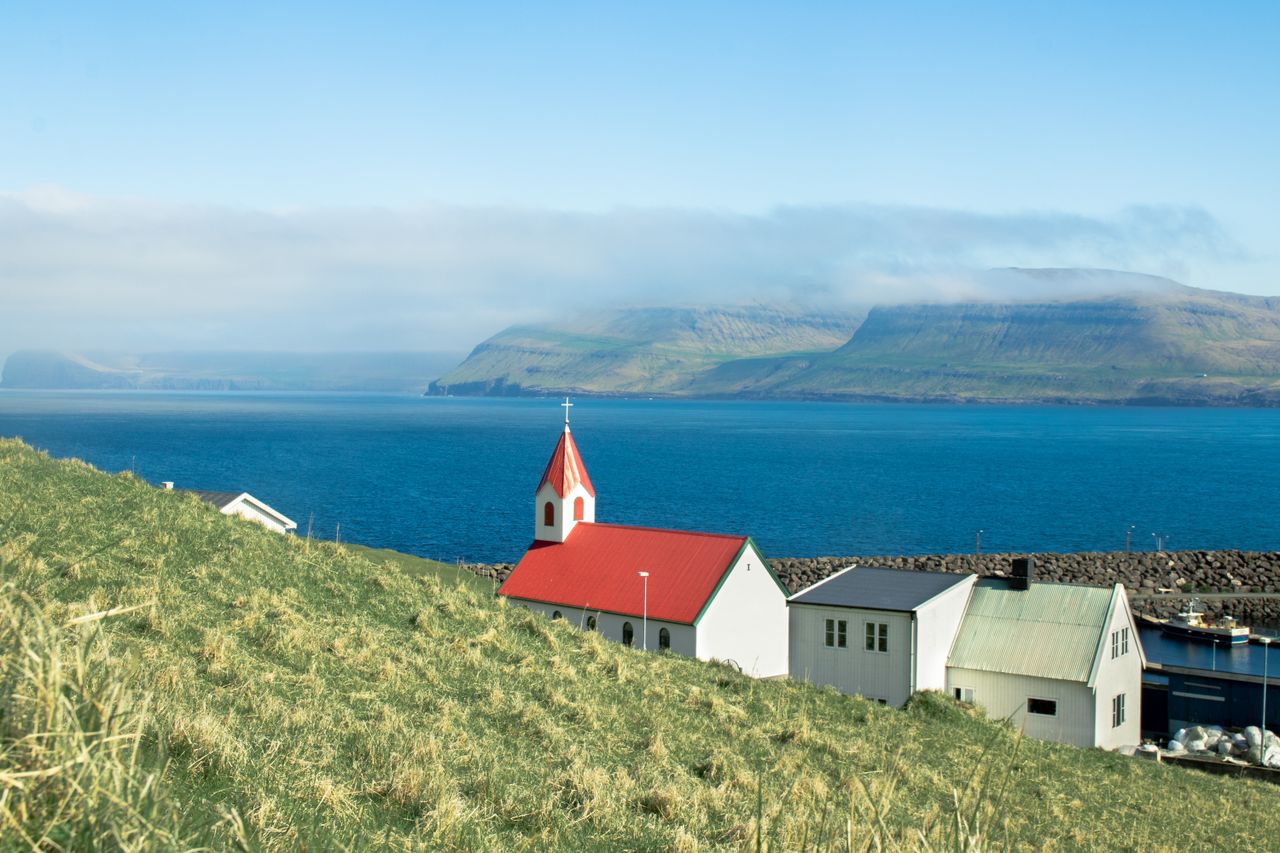
A first-timer's guide to the Faroe Islands warns that Torshavn's weather can flip from sunshine to wind and rain within minutes, even in the relatively calmer summer months, and that July especially can bring thick morning fog that blankets the capital. The practical packing advice: bring a proper raincoat and several light layers rather than one heavy coat, since you're likely to need to add and remove layers throughout a single day, and base yourself in Torshavn itself since almost anywhere reachable by car on the islands is under a 90-minute drive away.
บันทึกจากนักเดินทางเกี่ยวกับทอร์เชาน์
คนที่เคยไปมาแล้วพูดถึงที่นี่ว่าอย่างไร — เริ่มจากบันทึกที่ใช้ได้ตลอดทั้งปี แล้วไล่ทีละเดือน
Forum posters give genuinely divided reports on February - some call it one of the least enjoyable months, with hit-and-miss weather, thick fog, wind and possible snow ruling out anything but experienced winter hiking; others describe a February visit with more sun and less rain than a summer trip, good enough visibility for extensive hiking. Posters agree daylight stays limited (around 8 hours), and unpredictable, fast-changing weather with genuinely stormy stretches (posters mention hurricane-force gusts keeping visitors hotel-bound for a day or two) is a real possibility. Many hotels, restaurants, ferries and sea-sightseeing operators shut down for the season, so posters describe February visitors as often nearly alone on the islands - a real trade-off between limited services and a genuinely quiet, uncrowded experience.
The advice about May here is not really about temperature. Regulars say plainly that you will get wet and may get soaked, that wind and rain arrive in every combination, and that the weather changes inside an hour - and our row agrees: 58.1mm across 14.1 days under a 26.3 kph wind, with 9.9C reading as 6C. Fog is the other feature, common enough to close the view between islands and to delay a flight. Late May is unlikely to turn wintry, though a storm is possible, and the islands are only beginning to green up by then. Daylight runs to 17.8 hours, which is the compensation. The sea is 7.5C. Waterproofs, boots, layers. The record: humidity 81 percent, 10.3 hours of sun and AQI 44.
June is one of the two months Faroe regulars name as the driest and clearest, with the best chance of a good day - and the number behind that recommendation is our row's 14.5 precipitation days carrying 60.3mm, which is what driest means in the middle of the Atlantic. It is also better than midsummer on one specific count: mid-July and the first half of August are the fog-prone stretch, while June gets only the occasional bank. Fog matters here beyond the view, because it delays flights and makes the narrow mountain roads genuinely unpleasant to drive. The compensation is light - 19.6 hours of it. The record: 12.1C days that feel like 9C, 8.2C nights, humidity 86 percent, a 25 kph wind and a 9.1C sea.
July and August are the Faroes' warmest months and the forum is careful about how little that promises: it can still be overcast and under 10C for a whole visit. The specific July problem is fog. Mid-July into the first half of August is the foggiest stretch of the year, enough that flights get delayed and one visitor's late-July hiking plan on Suduroy collapsed into staying on the road. The standing line is that an hour here can bring rain, sun and wind in turn, so waterproofs are not optional. Regulars' own preference is late May to early July, or late August into September. The record: 13.7C days, 10.1C nights, 16 precipitation days, humidity 89 percent, 9.3 hours of sun inside 18.6 hours of daylight, a 10.6C sea.
Tórshavn's forum is blunt that August weather is genuinely a coin flip year to year — some years bring sunny stretches across three-quarters of the month, others turn cold and rainy for much of it, with fog especially common in mid-July into early August. Regulars note conditions can vary sharply between islands on the very same day, so flexible planning matters more than any single forecast.
Regulars are direct this marks the early stormy season here, weather described as the single most unpredictable thing about the islands, one visitor's own September trip seeing rain or at least drizzle every single day. Our row backs that cool, genuinely wet read, 12.3C over 8.7C nights feeling as low as 4C, with a substantial 80mm of rain across 16.2 days and a real 29.7 kph wind. Regulars are consistent Torshavn itself can sit under real fog while another island entirely, like Fugloy, stays perfectly clear on the very same day, rain gear and proper waterproof hiking boots treated as essential rather than optional. Trails also turn genuinely muddy this time of year from both rain and foot traffic. The sea sits at a cold 10.9C. The record: 6.7 hours of sun, humidity 86 percent and AQI 38.
Faroe Islands-forum threads on December travel (Torshavn specifically) are consistent that weather here is unpredictable and genuinely varies year to year - some Decembers bring mostly rain, others see real snow accumulate, no reliable way to know in advance which version a given trip will get. What is reliable: daylight running to only around six or seven hours a day, conditions changing fast enough that a clear morning can turn to a squall by afternoon. Ferry cancellations are a real, frequent feature, a meaningful share of sailings between islands called off when weather turns, so an itinerary around inter-island ferries needs backup days built in. Roads stay in decent shape unless a storm is actively passing through. Regulars call December a month for genuine flexibility over a fixed plan. The record: 7.3C days feeling like 3C, 3.1C nights, 102mm across 15.1 days, 10cm of snowfall, a 7.9C sea, wind averaging nearly 34 km/h and just 0.7 hours of sun.
เพิ่มบันทึกของคุณเองได้จากการ์ดของทอร์เชาน์บนแผนที่