Улуру — погода по месяцам
Улуру — лучшее время для поездки: май, июль и август — 92/100 (июль), 20°C и 1 дождливый день. Лучший сезон — зима, июнь–август (в среднем 89/100).
Худший месяц — январь, 39/100: пекло, немного дождя, чистый воздух. Смотреть: январь →
Обновлено: сентябрь 2026 · климатические нормы из реанализа ERA5
Планируете поездку целиком? Лучшее время для поездки — Австралия →
Лучший сезон: июнь–август (в среднем 89/100) · хуже всего: январь (39/100)
- Днём
- 20°C
- Ночью
- 3°C
- Дождливые дни
- 1
- Солнце
- 9.4 h
- Влажность
- 45%
- Световой день
- 11 h
Улуру — месяц за месяцем
Оценка комфорта из 100 для того типа поездки, к которому Улуру подходит лучше всего; средний дневной максимум, дождливые дни и часы солнца в день по климатическим нормам; и то, насколько многолюдно там обычно.
Афиша на год — Улуру
Фестивали, природные явления, праздники и сезоны, о которых стоит знать, — отобрано и со ссылками на источники. Подробности — на страницах месяцев.
- январь
- Park gates open by the sun1 янв – 31 декПравило
- март
- Easter long weekend3–6 апрПраздник
- май
- Cool season1 май – 31 авг (обычно)Сезон
- июнь
- Australian winter school holidays25 июн – 20 июл (обычно)Праздник
- Freezing desert nights1 июн – 15 авг (обычно)Риск
- июль
- Australian Outback Marathon25 июлФестиваль
- август
- Desert wildflowers15 авг – 15 окт (обычно)Природа
- сентябрь
- Fly season1 сен – 30 ноя (обычно)Риск
- ноябрь
- Heat closures on the walks1 ноя – 31 мар (обычно)Закрытие
- декабрь
- Summer storms and waterfalls1 дек – 15 мар (обычно)Риск
Улуру, июль: сколько туристов
Насколько людно в самом месте — школьные каникулы и массовые праздники, месяцы, отмеченные редакцией, и то, насколько погода подогревает спрос. В оценку комфорта это не входит никогда.
Пик сезонаCool season, Australian winter school holidays, Winter (July) break (Австралия)(оценочно)
Пик сезонаМного туристовМежсезоньеСпокойно
Полезно знать перед поездкой — Улуру
Реальный опыт из собственных рассказов путешественников, с цитатой и ссылкой на оригинал.
culture
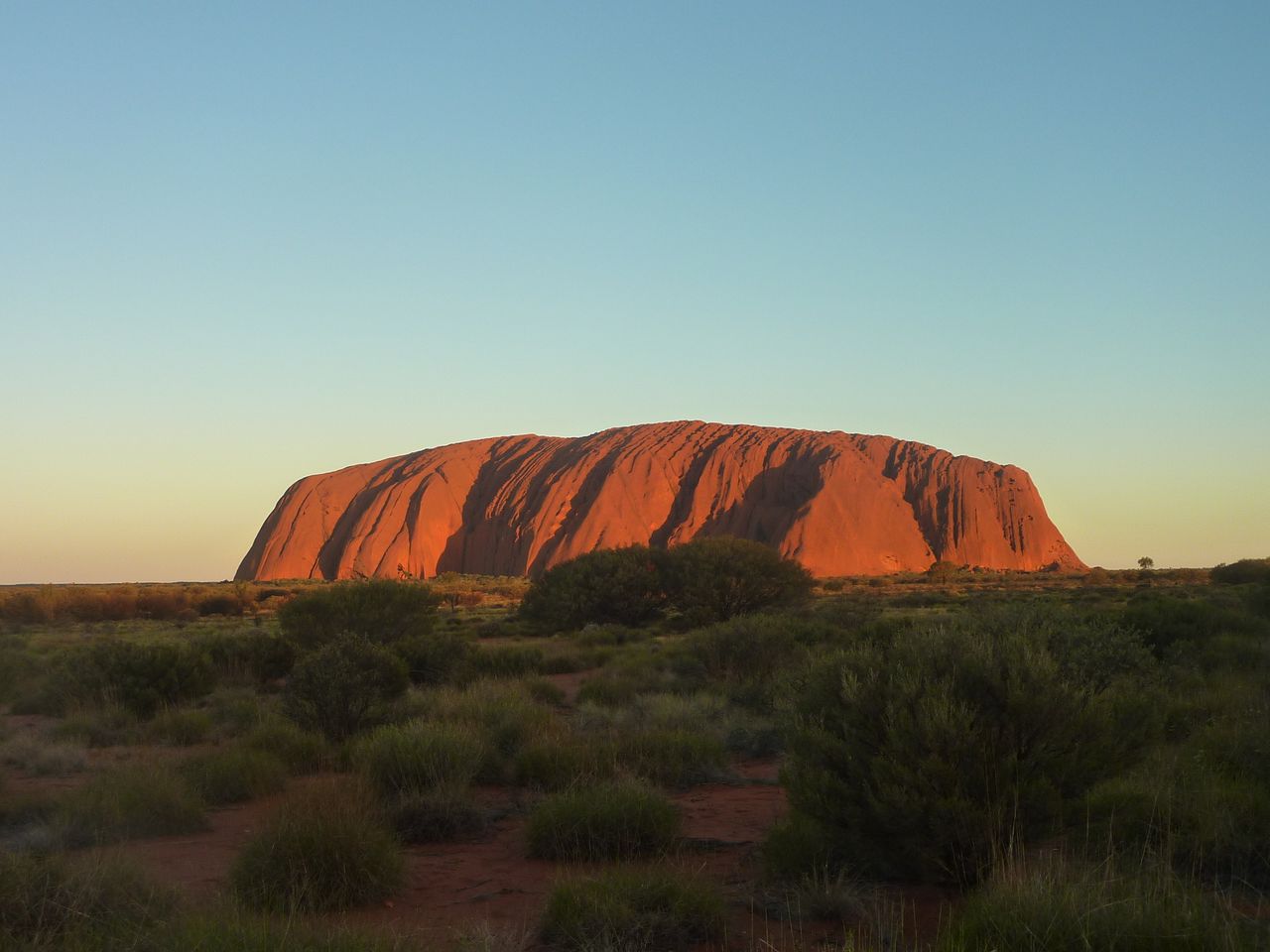
We did both sunrise and sunset over two mornings and evenings, and sunrise at Talinguru Nyakunytjaku genuinely felt like the better experience, the park eerily quiet compared to the two hundred-plus person crowd we found at the official sunset lookout the evening before. Watching the first light climb slowly down the rock face from the top was a different kind of moment than the more crowded, more photogenic sunset. Walking the base the next day, we were careful to respect the sections marked as culturally significant to the Anangu people, where photography isn't allowed, and stuck to photographing the rock itself from a distance instead.
Заметки путешественников — Улуру
Что говорят те, кто там был: сначала заметки на весь год, потом месяц за месяцем.
Uluru forum threads describe January as genuinely extreme heat, with posters citing a typical daily average in the high 30s Celsius and real risk of exceeding 40C on the hottest days. Rangers close climbs and walking trails once temperatures pass around 36C or are forecast to, a real scheduling constraint posters flagged for anyone hoping to walk the base trail. Flies were mentioned repeatedly as a genuine nuisance carrying over from the late-year heat, with posters specifically recommending fly nets as practical gear rather than an overreaction. The consistent advice was to plan outdoor activity for early morning or late afternoon and stay seriously hydrated through the heat of the day, with posters noting the desert climate does bring real relief once night falls and temperatures drop noticeably.
Uluru-forum threads on a February visit describe real heat reaching the high thirties to forty degrees, posters naming the desert's dry heat as more bearable than humid heat elsewhere despite the extreme numbers. Regulars call rangers genuinely quick to close climbs and walks once temperatures exceed or are forecast to exceed thirty-six degrees, several posters naming this a real factor that can change plans. Posters call dawn and dusk the real standard sightseeing windows, several regulars naming midday poolside time as the practical way to handle the heat. Regulars call a fly net genuinely essential alongside the usual hat and sunscreen, several threads naming this repeatedly as a must-pack item for February. Posters recommend checking the forecast each morning before planning the day, several regulars calling this standard given how quickly closures can happen. The record: 35.9C days, 20.7C nights, 21.5mm across over 2 days and 27 percent humidity.
Uluru-forum threads on an early April visit describe conditions as genuinely pleasant, posters calling mornings cool enough for a proper walk while afternoons warm up considerably without tipping into harsher summer heat. Regulars call the base walk, a flat two-hour loop around the rock, considerably easier than any climb attempt and doable comfortably this time of year. Posters describe the climb itself, when open on a given day, as entirely weather-dependent, rangers running assessments through the morning and early afternoon before deciding. Regulars recommend not giving up on a closed morning assessment, conditions can shift enough by midday for a later opening. Posters call flies a genuine nuisance regardless of how good the weather is, a head net worth packing. Regulars recommend sunrise or sunset for the best light and cooler temperatures. The record: 28.2C days feeling like 25C, 13.4C nights, a scant 1.1 days of measurable precipitation and 33 percent humidity.
Uluru's forum calls May the start of the comfortable season — daytime hiking weather without the brutal summer heat — with the one universal warning being how fast the desert cools after dark. Regulars consistently say to pack real warm layers for stargazing or an early sunrise walk, however hot the afternoon felt.
Uluru-forum threads on packing for June describe a genuinely wide daily temperature swing, mild afternoons in the high teens to low 20s dropping to well below freezing overnight, since the Red Centre's desert air holds almost no daytime heat once the sun goes down. Posters plan around that swing rather than the daytime reading alone - light layers for midday, a proper down jacket, hat and gloves for any sunrise or sunset viewing, exactly when most visitors are out on the rock's viewing platforms. Regulars call June through August the most comfortable window of the year overall because of the mild days, provided the cold mornings and evenings are taken seriously. The desert stays essentially free of precipitation this time of year, so a washed-out day is a non-issue. The record: 18.6C days feeling like 14C, 3.9C nights, 50 percent humidity, 8.9 hours of sun and a clean 20 AQI.
Uluru-forum threads on winter packing (asked about June, the answer carries straight into July) describe a split day: comfortable, even mild afternoons against nights cold enough for a beanie, gloves, a proper warm jacket and real layers, especially for dinner under the stars. Accounts vary on just how cold - one camper called it fine as long as you packed right, another described a genuinely freezing evening requiring jumpers, jackets, coats and hats all at once. The payoff regulars mention: clean, crisp desert air and campfire evenings that make the cold worth it. The record backs the wide day-night swing: 19.5C days feeling like 15C, 2.9C nights, essentially none at under one day and 9.4 hours of sun - a genuinely dry, clear winter, cold rather than mild after dark.
Uluru-forum threads on a September visit call this genuinely a strong window, posters describing conditions as starting to warm without reaching peak summer intensity and well clear of winter's cold mornings. Regulars call early September a real advantage over the school holiday stretch, considerably fewer visitors than later in the month once holidays begin. Posters recommend a wide-brimmed hat over a baseball cap specifically, alongside solid closed shoes for the walking trails around both Uluru and Kata Tjuta. Regulars call sunrise and sunset tours a genuine highlight this month, conditions generally reliable for viewing. Posters recommend the Hop On Hop Off bus for anyone wanting flexibility, five runs a day typical during the September schedule. The record: 26.6C days feeling like 27C, 9.5C nights, 14.3mm across over 2 days and 32 percent humidity.
Uluru forum regulars are consistent that November runs genuinely hot: mean average temperature is 35 degrees, with mid to high 30s the reliable expectation by mid-month and the occasional early 40s a real possibility. It's dry heat — manageable, but regulars still warn it can close trails outright: the Valley of the Winds walk at Kata Tjuta was closed because of the temperature on one visit. Standard advice: finish any real walking by 11am, stay leisurely until 4pm, and carry double the water you think you'll need. One visitor's account is the genuine exception worth flagging: unseasonable weather with grey skies and rain on the rock, a reminder the desert can still surprise even in a reliably hot month. Flies are a near-universal complaint regardless of the heat. Our record: 31.7°C days, feels-like 29°C, 3.6 rain days and 32.1% humidity — hot and dry, matching the “reliably hot, occasional surprise” read almost exactly.
Добавьте свою заметку с карточки места на карте — Улуру.