Рейкьявик — погода по месяцам
Рейкьявик — лучшее время для поездки: июнь–август — 85/100 (июль), 14°C и 14 дождливых дней. Лучший сезон — лето, июнь–август (в среднем 81/100).
Худший месяц — январь, 31/100: мороз, дождливо, чистый воздух. Смотреть: январь →
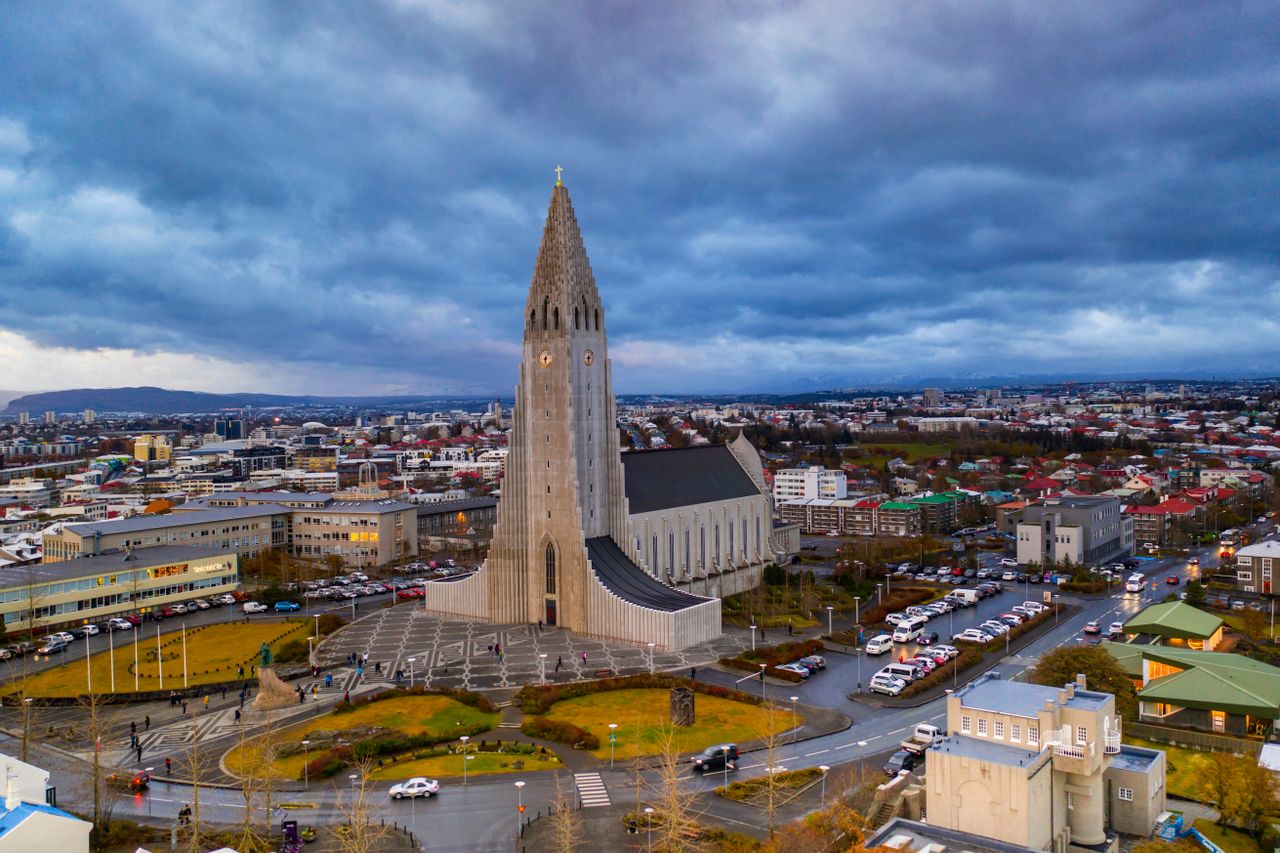
A small weather-beaten capital on the edge of the Arctic, used mostly as a base for the country around it and lived in mostly indoors.
Обновлено: сентябрь 2026 · климатические нормы из реанализа ERA5
Планируете поездку целиком? Лучшее время для поездки — Исландия →
Лучший сезон: июнь–август (в среднем 81/100) · хуже всего: январь (31/100)
- Днём
- 14°C
- Ночью
- 9°C
- Дождливые дни
- 14
- Солнце
- 10.5 h
- Влажность
- 81%
- Световой день
- 20 h
Рейкьявик — месяц за месяцем
Оценка комфорта из 100 для того типа поездки, к которому Рейкьявик подходит лучше всего; средний дневной максимум, дождливые дни и часы солнца в день по климатическим нормам; и то, насколько многолюдно там обычно.
Каким бывает каждый месяц — Рейкьявик
Написано редакцией SeasonMap по тому, что происходит на месте, а не по средним значениям.
- январь
Deep winter: four or five usable hours of light, aurora whenever the sky clears, and the Thorrablot midwinter feasts through the month.
polar nightquiet
- февраль
Still dark and windy, but the light returns fast. Storms close the roads out of town at short notice, often for a day at a time.
quiet
- март
The light comes back at roughly an hour a week. The interior is still shut, and equinox weeks are often good for aurora.
shoulder
- апрель
The First Day of Summer is celebrated in late April whatever the weather is doing, and the puffins start returning to the cliffs.
festivalshoulder
- май
Long bright evenings and the country turning green. The highland roads are still closed and the main season has not begun.
shoulder
- июнь
Around the solstice it never truly gets dark and the city stays up with it. The first highland tracks open towards the end of the month.
midnight sunpeak
- июль
The warmest and busiest month. Interior roads are open, the puffins are on the cliffs and beds are at their most expensive.
peak
- август
Culture Night takes over the city late in the month, then the dark starts to return; berries appear in the lava fields.
festivalpeak
- сентябрь
Sheep round-ups across the countryside, the first aurora of the season and a sharp drop in visitor numbers.
harvestshoulder
- октябрь
The dark comes back quickly, storms build and the highlands close for the winter. A month for the swimming pools.
shoulder
- ноябрь
Wet, windy and dark. The city moves indoors and the aurora forecast becomes the daily topic.
low season
- декабрь
Low light for a few hours a day, thirteen Yule Lads over the fortnight before Christmas, and a famously loud New Year's Eve of private fireworks.
festivalpolar night
Афиша на год — Рейкьявик
Фестивали, природные явления, праздники и сезоны, о которых стоит знать, — отобрано и со ссылками на источники. Подробности — на страницах месяцев.
- январь
- Thorrablot19 янв – 25 фев (обычно)Фестиваль
- апрель
- First Day of Summer23 апрФестиваль
- Whale watching season1 апр – 15 окт (обычно)Природа
- Puffins on the cliffs20 апр – 15 авг (обычно)Природа
- июнь
- National Day17 июнПраздник
- август
- Culture Night22 авгФестиваль
- сентябрь
- Aurora season1 сен – 31 мар (обычно)Природа
- октябрь
- Highland roads closed1 окт – 15 июн (обычно)Закрытие
- ноябрь
- Iceland Airwaves5–7 нояФестиваль
- декабрь
- The Yule Lads12–24 декФестиваль
- New Year's Eve fireworks31 дек – 1 янвФестиваль
Рейкьявик, июль: сколько туристов
Насколько людно в самом месте — школьные каникулы и массовые праздники, месяцы, отмеченные редакцией, и то, насколько погода подогревает спрос. В оценку комфорта это не входит никогда.
Пик сезонапиковый месяц по версии редакции, Summer holidays (Исландия), школьные каникулы на 7 рынках из тех, что его заполняют
Пик сезонаМного туристовМежсезоньеСпокойно
Полезно знать перед поездкой — Рейкьявик
Реальный опыт из собственных рассказов путешественников, с цитатой и ссылкой на оригинал.
Что взять
A traveler doing an Iceland camper van trip out of Reykjavik describes a rough first night: she let the van cool down to -7C in the shade for several hours before realizing her mistake, and spent a miserable night regretting not running the heater or insulating better before settling in. Her other hard-won lesson was underestimating how quickly weather can shift even outside the depths of winter - wind, rain and sudden temperature drops are a real possibility even in July, not just the shoulder seasons. She recommends treating the van's heating setup as something to sort out before dark each night rather than after, and packing warmer layers than the season alone would suggest for anywhere in Iceland.
Заметки путешественников — Рейкьявик
Что говорят те, кто там был: сначала заметки на весь год, потом месяц за месяцем.
The weather in Reykjavík is notoriously unpredictable. One minute the sun may be shining on a nice summers day, the next it may change into a windy, rainy autumn. Temperatures in Reykjavík are quite bland: they don't go very high in the summer, nor do they go much below zero during winter. It follows that the differences between seasons are relatively small compared to what people experience on either side of the Atlantic. January is the coldest month and usually has some snow, while there is frequently no snow on the ground during Christmas in December. Summer is without a doubt the favorite season of most Reykjavík inhabitants. Many of them seem to imagine their city is slightly warmer than it really is and it takes little to get them to start wearing shorts and t-shirts, or to go sunbathing in parks. Don't think too much about how silly it may seem, just join them in enjoying the season! Wind is the main problem with the Reykjavík weather.…
Forum regulars describe January as averaging around freezing but wildly variable day to day - anywhere from -10C to 10C, with snow, sleet, hail and rain all possible, sometimes simultaneously, often with high wind. Daylight is the other defining fact: roughly 5-6 hours depending on the exact date, with about an hour of usable twilight on either end. Tour operators plan itineraries around this deliberately, timing pickups and drop-offs so you're at outdoor attractions during the daylight window even if you leave and return to Reykjavik in the dark. Layered, wind- and waterproof clothing with waterproof footwear is the standard packing advice.
Forum posters describe February as usually snowy and cold, with one blunt 'reality check' thread calling it the coldest month of the year and warning of the possibility of storms - it's rain, sunshine and snow all in one day being a genuinely normal occurrence rather than an outlier. Daylight stays limited, sun up around 10am and down by 5-6pm, so posters plan full-day itineraries around that shorter window rather than assuming a long afternoon. The clear upside repeatedly cited: February is a strong month for Northern Lights viewing precisely because the nights are still long and dark, and posters consistently say the trade-off is worth it as long as you pack proper warm, waterproof layers and stay flexible with plans.
March scores badly and I'd still go. Aurora nights are long, the days are back to a usable seven hours, and prices are pre-season. The number that matters isn't temperature, it's wind — 20 m/s off the harbour turns 0°C into something else entirely. Rent the car with the gravel and wind-door insurance.
June gives more than twenty hours of sun here and no real darkness at all around the solstice, just a long dusk - our daylight column says 20.8 hours. The temperature is the part people underestimate. Regulars quote the mid to high fifties Fahrenheit; one who came at the end of June reports upper forties and low fifties and a lot of wind. Our row sits between them at 12.2C reading as 10C, with nights at 7.3C feeling like 4C in a 19 kph wind. Rain falls 86.2mm across 15 days. Layers with a windproof and waterproof shell, and the hoodie stays on in the evening. The record: humidity 79 percent, a 9.9C sea and AQI 34.
I feel bad for every tourist in Iceland who comes in July. Did you do no research at all? Rain in Reykjavík in July is worse than the cold in San Francisco in July and SF in July is the coldest place on earth.
July is the easy answer: everything open, the highland F-roads finally passable, daylight until midnight. Just don't expect warm — 13°C and horizontal drizzle is a normal July afternoon, and the campervans book out months ahead.
August is Iceland's best-weather month on the record — around 14°C, long light, and one of the busiest, only just behind July. It is not aurora season, and the forum is precise about why rather than simply saying no: by late August the sky does get dark enough for a short window in the middle of the night, and people do occasionally see them in the final days of the month, but the odds of clear sky and solar activity both landing inside that narrow window are slim. Most tours do not start until after 15 September. Peak season runs September to March, with the equinoxes the sweet spots. Treat lights in August as a bonus rather than the reason to come.
Reykjavik forum regulars are consistent that wind and rain, not cold, are what actually get you in September: “it is not the cold in general that gets you, it is the strong winds and the rain,” with a genuinely wind- and waterproof outer layer called the single most important item to bring. Readings run “low 50s°F during the day and mid 40s at night” typically, though “glorious sunshine and temperatures in the 20°C range” does happen on a lucky day. Mid-September sits deep in shoulder season — you'll have all the places to yourself as summer crowds thin, but some attractions and hotels start closing for the season around the first or second week. A cold night can bring a dusting of snow at the mountain passes or in the north. Our record: 10.7°C days, 5.9°C nights, 18.6 rain days, 0.9cm of snow and a 21.9kph wind — cool, wet and windy, matching the “wind and rain, not cold, is the real story” read.
Добавьте свою заметку с карточки места на карте — Рейкьявик.