Pogoda Dżudda — miesiąc po miesiącu
Dżudda — najlepszy czas na wyjazd to styczeń–marzec: 93/100 (styczeń), 28°C i 2 deszczowe dni. Najlepsza pora to zima, grudzień–luty (średnio 92/100).
Najgorszy miesiąc: sierpień, 86/100 — upalnie, sucho. Zobacz: sierpień →
Aktualizacja: wrzesień 2026 · normy klimatyczne z reanalizy ERA5
Planujesz większą podróż? Arabia Saudyjska — najlepszy czas na wyjazd →
Najlepszy sezon: grudzień–luty (średnio 92/100) · najgorzej: sierpień (86/100)
- Dni
- 28°C
- Noce
- 21°C
- Mokre dni
- 2
- Słońce
- 9.9 h
- Wilgotność
- 63%
- Długość dnia
- 11 h
Dżudda — miesiąc po miesiącu
Wynik komfortu w skali do 100 dla rodzaju podróży, do którego Dżudda nadaje się najlepiej, a do tego średnia maksymalna, deszczowe dni i godziny słońca dziennie z norm klimatycznych oraz to, jak bywa tłoczno.
Co się dzieje przez cały rok — Dżudda
Festiwale, spektakle natury, święta i sezony, na które warto uważać — wybrane i ze źródłami. Szczegóły są na stronach poszczególnych miesięcy.
- styczeń
- Ramadan18 lut – 19 marŚwięto
- luty
- Founding Day22 lutŚwięto
- marzec
- Saudi Arabian Grand Prix1 mar – 30 kwi (zwykle)Festiwal
- Eid al-Fitr20–23 marŚwięto
- Dust and sandstorm season1 mar – 31 lip (zwykle)Zagrożenie
- kwiecień
- Hajj season20 kwi – 20 cze (zwykle)Święto
- maj
- Jeddah Season15 maj – 31 lip (zwykle)Festiwal
- czerwiec
- The humid summer1 cze – 30 wrzSezon
- wrzesień
- Saudi National Day23–24 wrzŚwięto
- październik
- Red Sea dive season1 paź – 31 maj (zwykle)Sezon
- listopad
- Red Sea Film Festival3–12 gruFestiwal
Dżudda, styczeń: tłumy
Jak tłoczno jest w samym miejscu — wakacje szkolne i święta masowe, miesiące oznaczone przez redakcję oraz to, jak bardzo pogoda podbija popyt. Nigdy nie wchodzi do wyniku komfortu.
Tłocznoferie szkolne na 6 rynkach, które je zapełniają, jeden z najlepszych miesięcy pod względem pogody(szacunkowo)
Szczyt sezonuTłocznoSezon przejściowySpokojnie
Warto wiedzieć przed wyjazdem — Dżudda
Prawdziwe doświadczenia z własnych relacji podróżnych, cytowane z linkiem do oryginału.
Zwyczaje i etykieta
A visitor's insider guide to Jeddah notes it's noticeably more relaxed than Riyadh: women are no longer required to wear an abaya or cover their hair on the street, though shoulders, knees, and midriffs should still stay covered in public. Her advice is to keep a light scarf in your bag anyway, since it's needed the moment you step into a mosque or a more conservative neighborhood, and to spend an evening walking the Corniche along the Red Sea, which she found was where the city's more relaxed, modern side really showed.
Relacje podróżnych — Dżudda
Co mówią o tym miejscu ci, którzy tam byli — najpierw relacje na cały rok, potem miesiąc po miesiącu.
The climate is dry and hot. The best time to visit is in January and February, when it is the least hot. The sea water becomes quite hot from July to October.
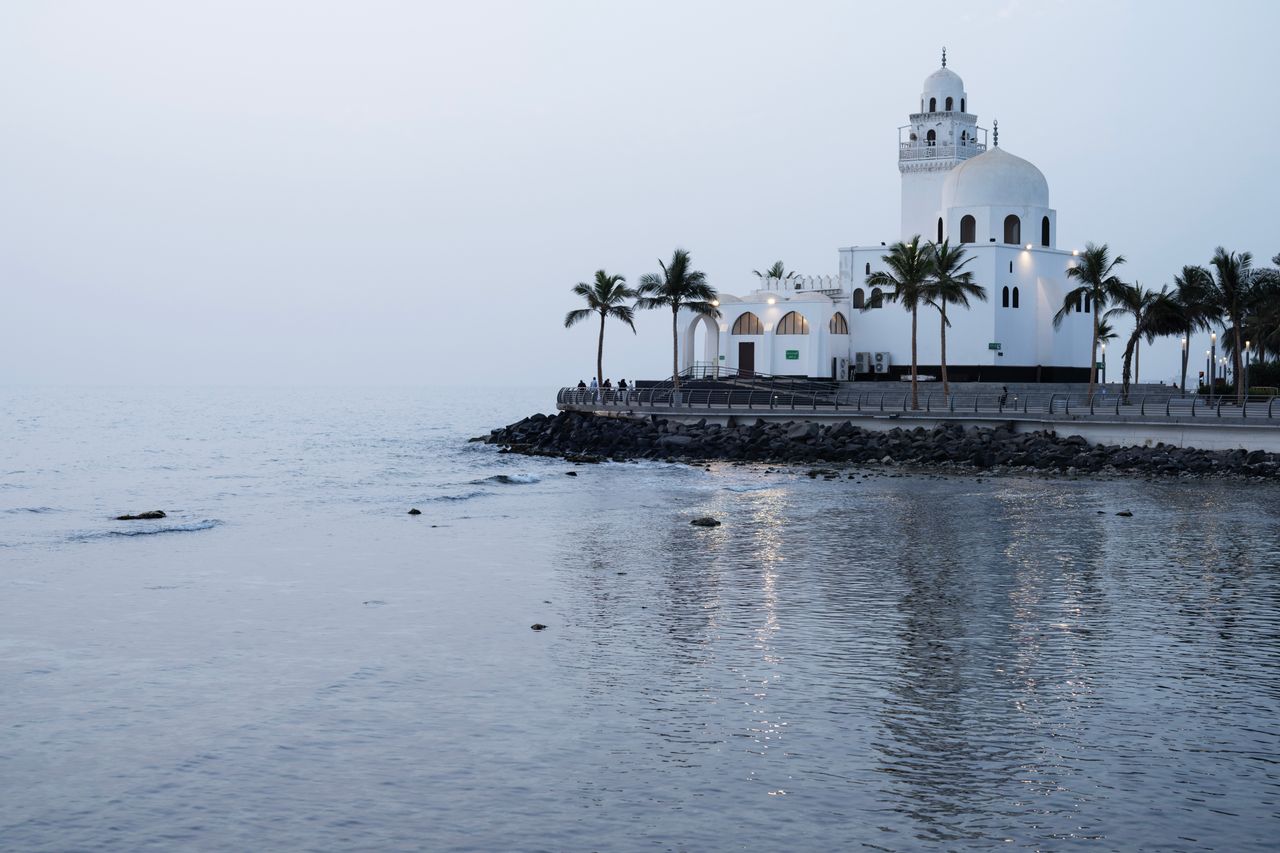
Jeddah forum threads and reviews describe January through late February as genuinely nice by local standards - cool compared to Jeddah's brutal summer, though days can still get warm with the Red Sea breeze taking the edge off. The Corniche, the long waterfront promenade lined with restaurants, parks and sculptures, was repeatedly recommended as the place to be, with sunset specifically called out for how the setting sun lights up the Red Sea. Evenings were described as when the Corniche really comes alive, with cooler night air drawing bigger crowds out for a stroll than the daytime heat allows even in this milder season.
Dodaj własną notatkę z karty miejsca na mapie — Dżudda.