Pogoda Park Narodowy Wielkiego Kanionu — miesiąc po miesiącu
Park Narodowy Wielkiego Kanionu — najlepszy czas na wyjazd to luty, marzec i listopad: 94/100 (marzec), 21°C i 4 deszczowe dni. Najlepsza pora to wiosna, marzec–maj (średnio 82/100).
Najgorszy miesiąc: lipiec, 27/100 — upalnie, sucho. Zobacz: lipiec →
Aktualizacja: wrzesień 2026 · normy klimatyczne z reanalizy ERA5
Planujesz większą podróż? Stany Zjednoczone — najlepszy czas na wyjazd →
Najlepszy sezon: marzec–maj (średnio 82/100) · najgorzej: lipiec (27/100)
- Dni
- 21°C
- Noce
- 7°C
- Mokre dni
- 4
- Słońce
- 10.4 h
- Wilgotność
- 52%
- Długość dnia
- 12 h
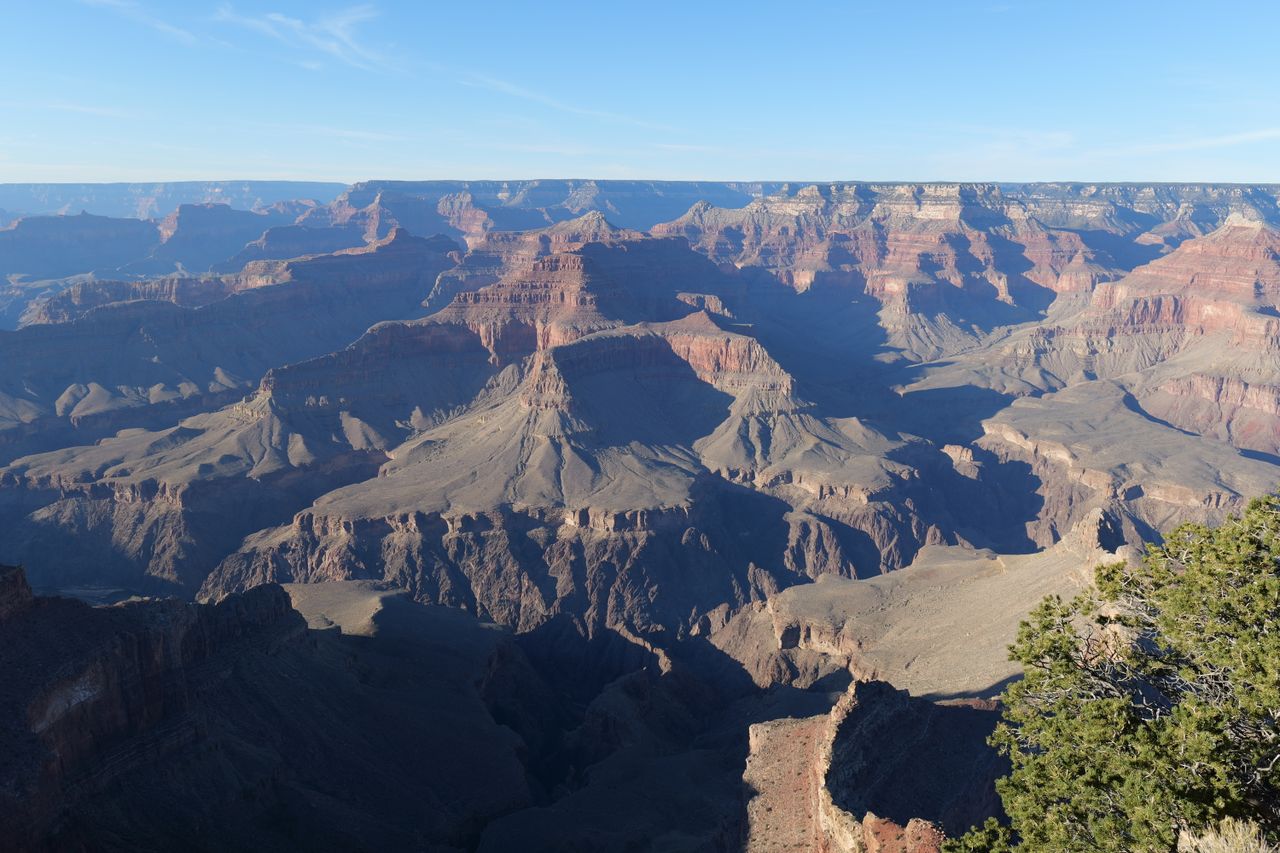
Park Narodowy Wielkiego Kanionu — miesiąc po miesiącu
Wynik komfortu w skali do 100 dla rodzaju podróży, do którego Park Narodowy Wielkiego Kanionu nadaje się najlepiej, a do tego średnia maksymalna, deszczowe dni i godziny słońca dziennie z norm klimatycznych oraz to, jak bywa tłoczno.
Co się dzieje przez cały rok — Park Narodowy Wielkiego Kanionu
Festiwale, spektakle natury, święta i sezony, na które warto uważać — wybrane i ze źródłami. Szczegóły są na stronach poszczególnych miesięcy.
- marzec
- Spring break crowds1 mar – 15 kwiSezon
- maj
- Memorial Day weekend23–25 majŚwięto
- Inner canyon heat15 maj – 15 wrzZagrożenie
- North Rim season15 maj – 15 paź (zwykle)Otwarcie
- czerwiec
- Peak summer season1 cze – 20 sieSezon
- lipiec
- Monsoon storms1 lip – 15 wrz (zwykle)Zagrożenie
- sierpień
- Labor Day weekend5–7 wrzŚwięto
- grudzień
- Winter on the South Rim1 gru – 28 lutSezon
Wszystko, co się dzieje przez cały rok — Park Narodowy Wielkiego Kanionu →
Park Narodowy Wielkiego Kanionu, marzec: tłumy
Jak tłoczno jest w samym miejscu — wakacje szkolne i święta masowe, miesiące oznaczone przez redakcję oraz to, jak bardzo pogoda podbija popyt. Nigdy nie wchodzi do wyniku komfortu.
Szczyt sezonuSpring break crowds, Spring break (Stany Zjednoczone)(szacunkowo)
Szczyt sezonuTłocznoSezon przejściowySpokojnie
Relacje podróżnych — Park Narodowy Wielkiego Kanionu
Co mówią o tym miejscu ci, którzy tam byli — najpierw relacje na cały rok, potem miesiąc po miesiącu.
Grand Canyon-forum threads on January weather describe daytime readings at the South Rim as capable of running below freezing regardless of the average, posters calling the canyon interior noticeably milder than the rim given the elevation difference. Regulars call conditions genuinely variable day to day, everything from a cloudy, cold stretch to a full blizzard possible within the same week. Posters recommend real layers, a warm hat, gloves and traction devices for rim trail walks, icy patches common even without fresh snowfall. Regulars call January genuinely rewarding for anyone chiefly after the overlooks rather than a below-rim hike, considerably fewer visitors and shuttles than peak season. Posters describe road closures during a system as a real possibility, checking current conditions first. Regulars call the reduced crowds worth it for anyone comfortable with the cold. The record: 12.9C days feeling like 10C, 1.3C nights, 25.2mm across 4 days and 63 percent humidity.
Grand Canyon-forum threads on a February visit describe the South Rim as genuinely experiencing true winter at seven thousand feet, posters naming nighttime temperatures below freezing and occasional snowstorms as standard. Regulars call thin crowds and easy viewpoint parking real advantages of a February visit, several posters naming this a genuine upside worth the colder conditions. Posters call traction devices genuinely necessary for any rim-to-trail hiking, several regulars naming icy upper trail sections as a real hazard this time of year. Regulars call overlook walkways genuinely uncleared and slippery, several threads warning visitors to move carefully even just walking between viewpoints. Posters recommend real winter footwear and layers regardless of how the trip is otherwise planned, several regulars calling this standard given how quickly conditions can turn hazardous. The record: 16.2C days, 2.8C nights, 18mm across over 3 days and 56 percent humidity.
Grand Canyon's forum calls March a genuine transition month — average highs around 55°F but overnight lows below freezing, with snow, wind, rain and sunshine all realistic within a single day. Regulars note March still carries a real chance of a late-season snowstorm, and the standard advice is layers you can add and shed through the day, with a proper coat rather than just a light jacket.
Grand Canyon-forum threads on a May visit call late May genuinely favorable for both weather and crowds, posters describing conditions as generally comfortable before the full heat of summer sets in. Regulars call a day trip a real option for anyone tight on time, though overnight lodging reservations should be made well ahead regardless of exact dates. Posters recommend an e-bike trip out to Hermit's Rest as a solid May activity, the ride typically taking a bit over three hours round trip. Regulars call one night enough for a solid first visit, though two nights are considered better for anyone wanting a fuller experience without rushing. Posters recommend real sun protection regardless of the relatively mild May temperatures, exposure at the rim genuinely intense given the elevation and open terrain. The record: 31.4C days feeling like 33C, 14.7C nights, 10mm across nearly 1 day and 22 percent humidity.
Grand Canyon-forum threads asking if July is too hot draw a clear split by elevation - the South Rim itself runs genuinely warm but entirely manageable, daytime readings in the 80s with nights cooling into the 50s to 60s Fahrenheit, while the inner canyon is called a different world entirely, easily exceeding 100 to 105 Fahrenheit in the shade and posters calling a summer rim-to-rim hike a serious undertaking not to be underestimated. July also opens the region's summer storm season, afternoon thunderheads building fast most days even as mornings stay clear, a real hazard for anyone caught exposed on an inner-canyon trail when one rolls through. Regulars recommend staying on or near the rim for a comfortable July visit, saving any real descent for cooler months or the earliest hours of the day. The record: a scorching 40.2C by day feeling like a punishing 40C, 23.6C nights, a very low 30 percent humidity and 12.6 hours of sun.
Forum posters describe September on the South Rim as typically pleasant by day, high-70s to low-80sF at the peak of the month, cooling toward the mid-70s by the back half - though posters are consistent that nights get genuinely chilly given the roughly 7,000ft elevation, with some reporting temperatures dropping close to freezing overnight, especially later in the month. Posters call the rim air 'glorious but very dry,' with hydration treated as a genuine priority regardless of how mild the daytime temperature feels. September also sits inside monsoon season, meaning brief but genuinely violent late-afternoon thunderstorms are a real possibility - posters recommend an early start to any hike and a plan to be off exposed trails before the storms typically build. Overall, posters consistently rate September (particularly the earlier half) as one of the more pleasant months to visit, once the extreme summer heat has eased.
Grand Canyon-forum threads on October conditions describe South Rim daytime readings as comfortable for hiking, dropping sharply once the sun sets by the back half of the month, a real swing worth packing real layers for. Posters describe fall as genuinely drier than summer's stormy pattern, an occasional flurry possible but a real accumulation called unlikely this early in autumn. Regulars call a proper sleeping bag essential for anyone camping, nights at the rim elevation running noticeably colder than the daytime forecast suggests. Posters describe crowds as thinning noticeably once October arrives, spots that felt impossible to reach in summer suddenly workable. Regulars recommend layering regardless of how mild midday feels, temperature swings here genuinely large this time of year. Posters call October a real sweet spot between summer heat and winter road closures. The record: 27.7C days feeling like 25C, 11.9C nights, a low 39 percent humidity and 10 hours of sun.
November is the South Rim month regulars call underrated: mild, clear, sunny days and the summer crowds gone, with Thanksgiving week the exception. The number that catches people out is the night: daytime in the 40s to 60s F depending where in the month you land, and rim temperatures the forum puts below freezing after dark. A puffer and layers you can strip into a daypack is the standing recommendation. Snow falls and the roads are cleared quickly, but winter driving conditions are a real possibility this high. Our own row is milder than the rim reports - it reads from a lower point than the 2,100m South Rim: 19.9C days against 5.8C nights, humidity 44 percent, 2.4 precipitation days, 4.4cm of snow and 8.9 hours of sun.
Dodaj własną notatkę z karty miejsca na mapie — Park Narodowy Wielkiego Kanionu.