Pogoda Czyta — miesiąc po miesiącu
Czyta — najlepszy czas na wyjazd to czerwiec–sierpień: 93/100 (czerwiec), 25°C i 9 deszczowych dni. Najlepsza pora to lato, czerwiec–sierpień (średnio 89/100).
Najgorszy miesiąc: grudzień, 29/100 — mroźnie, sucho, czyste powietrze. Zobacz: grudzień →
Aktualizacja: wrzesień 2026 · normy klimatyczne z reanalizy ERA5
Planujesz większą podróż? Rosja — najlepszy czas na wyjazd →
Najlepszy sezon: czerwiec–sierpień (średnio 89/100) · najgorzej: grudzień (29/100)
- Dni
- 25°C
- Noce
- 9°C
- Mokre dni
- 9
- Słońce
- 13 h
- Wilgotność
- 54%
- Długość dnia
- 17 h
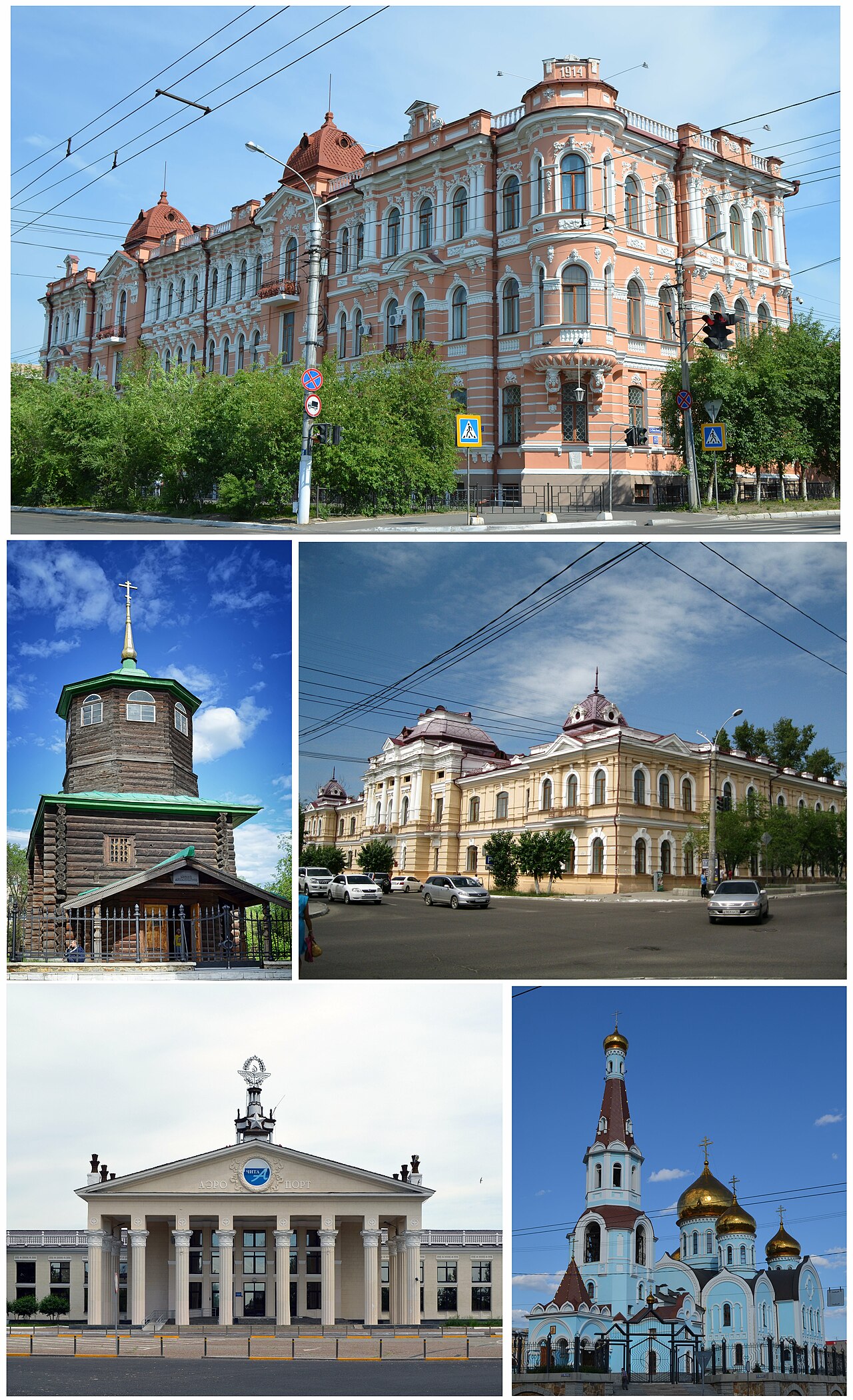
Czyta — miesiąc po miesiącu
Wynik komfortu w skali do 100 dla rodzaju podróży, do którego Czyta nadaje się najlepiej, a do tego średnia maksymalna, deszczowe dni i godziny słońca dziennie z norm klimatycznych oraz to, jak bywa tłoczno.
Co się dzieje przez cały rok — Czyta
Festiwale, spektakle natury, święta i sezony, na które warto uważać — wybrane i ze źródłami. Szczegóły są na stronach poszczególnych miesięcy.
- styczeń
- Sagaalgan, the White Month25 sty – 5 mar (zwykle)Święto
- luty
- Maslenitsa16–22 lutFestiwal
- kwiecień
- Bagulnik in bloom25 kwi – 31 maj (zwykle)Natura
- Spring wildfire smoke1 kwi – 10 cze (zwykle)Zagrożenie
- maj
- Victory Day9 majŚwięto
- czerwiec
- Zabaykalsky International Film Festival1–15 cze (zwykle)Festiwal
- lipiec
- Summer heat swing1 lip – 15 sie (zwykle)Zagrożenie
- listopad
- Extreme cold season1 lis – 15 mar (zwykle)Zagrożenie
- grudzień
- New Year holidays31 gru – 8 sty (zwykle)Święto
Czyta, czerwiec: tłumy
Jak tłoczno jest w samym miejscu — wakacje szkolne i święta masowe, miesiące oznaczone przez redakcję oraz to, jak bardzo pogoda podbija popyt. Nigdy nie wchodzi do wyniku komfortu.
Tłocznoferie szkolne na 3 rynkach, które je zapełniają, jeden z najlepszych miesięcy pod względem pogody(szacunkowo)
Szczyt sezonuTłocznoSezon przejściowySpokojnie
Relacje podróżnych — Czyta
Co mówią o tym miejscu ci, którzy tam byli — najpierw relacje na cały rok, potem miesiąc po miesiącu.
Forum coverage specific to Chita is thin, but posters describing the broader Siberian summer generally characterize it as lovely and warm without typically tipping into genuinely hot territory, with much of the surrounding countryside at its most scenic this time of year. Chita's inland, continental position in Russia's Trans-Baikal region means real day-to-night temperature swings are a normal feature even in June, so posters' general advice for the wider region - packing both warm-weather clothing for the day and a layer for cooler evenings - applies well here. Given the limited detailed trip reports specific to Chita, the main data point available is this broader Siberian-summer characterization rather than city-specific commentary.
Forum posters discussing Trans-Siberian winter travel more broadly cite outdoor temperatures ranging from +5C down to as low as -35C depending on the specific stretch of the journey and time of year, with Chita's own Zabaykalsky Krai region sitting firmly in the harsher end of that range come December. Posters recommending winter travel for reliable, heavy snow generally point to January through March rather than December specifically, implying early winter here can still be transitional in terms of snow cover even as temperatures already run bitterly cold. Given the limited destination-specific detail available for Chita exactly, this note leans on that broader Siberian pattern: expect severe cold with real potential for temperatures well below -20C, alongside modest but building snow accumulation. Posters generally rate December as an extreme cold-weather month for Chita, full winter gear essential regardless of how much snow has actually fallen yet.
Dodaj własną notatkę z karty miejsca na mapie — Czyta.