Het weer in Zanzibar (Stone Town) per maand
De beste reistijd voor Zanzibar (Stone Town) is juli tot september — 93/100 in september, 31°C en 7 regendagen. Het beste seizoen is het droge seizoen, juni tot oktober (91/100 gemiddeld).
De slechtste maand is april, met 59/100 — snikheet, kletsnat, schone lucht. Bekijk april →
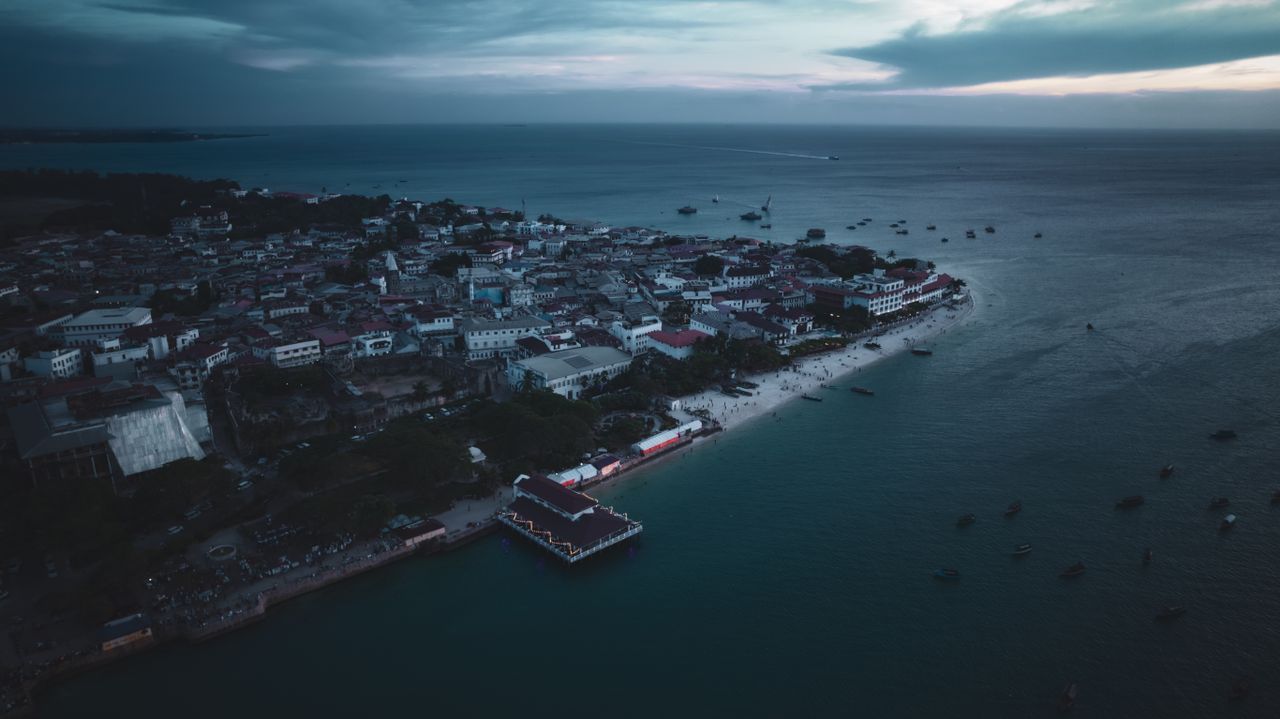
A low coral island off the Tanzanian coast with a stone-built old town, dhow villages and a tide that goes out for a kilometre. Ramadan is widely observed and moves about eleven days earlier each year.
Bijgewerkt september 2026 · klimaatnormalen uit de ERA5-heranalyse
Plan je een grotere reis? Beste reistijd voor Tanzania →
Beste seizoen: juni tot oktober (91/100 gemiddeld) · slechtst april (59/100)
- Dagen
- 31°C
- Nachten
- 22°C
- Natte dagen
- 7
- Zon
- 11.1 h
- Luchtvochtigheid
- 75%
- Daglicht
- 12 h
Zanzibar, maand voor maand
De comfortscore op 100 voor het soort reis waar Zanzibar het best voor is, de gemiddelde maximumtemperatuur, de regendagen en de zonuren per dag uit de klimaatnormalen, en hoe druk het er doorgaans is.
Hoe elke maand is in Zanzibar
Geschreven door de redactie van SeasonMap, op basis van wat er ter plaatse echt gebeurt — niet op basis van de gemiddelden.
- januari
Hot, humid and bright between the rains, with calm water and good diving visibility. The busiest stretch after the holidays.
peaksea warm
- februari
The hottest month: humid and still, before the long rains. The sea is warm enough that it is no relief.
peaksea warm
- maart
Humidity builds and the long rains arrive at the end of the month. Beach hotels start winding down.
monsoonshoulder
- april
The long rains, and the wettest month of the year. Heavy afternoon downpours, and much of the coast simply closed.
monsoonclosed
- mei
Rain continues and hotels stay shut. The island is at its greenest and its cheapest.
monsoonclosed
- juni
The rains end and the kusi, the cool southern monsoon, sets in: dry, breezy and comfortable.
shoulder
- juli
The best conditions of the year, dry and breezy with clear water, and the film festival takes over Stone Town.
festivalpeak
- augustus
Dry and busy, with reliable wind for sailing and kitesurfing off the east coast.
peak
- september
Still dry and clear, a little warmer, and the tide-worked seaweed farms on the east coast are at full tilt.
peak
- oktober
Warm and mostly dry. The short rains can arrive at the end of the month as brief evening storms.
shoulder
- november
The short rains: scattered heavy showers, empty beaches and the best value of the year.
monsoonlow season
- december
Hot and humid with occasional storms, then a sharp rise in arrivals from the middle of the month.
peaksea warm
Wat er het hele jaar speelt in Zanzibar
Festivals, natuurspektakels, feestdagen en de seizoenen om op te letten — gecureerd en met bron. De maandpagina’s hebben de details.
- februari
- Sauti za Busara5–8 febFestival
- Ramadan17 feb – 19 mrtFeestdag
- Eid al-Fitr20–23 mrtFeestdag
- maart
- Masika, the long rains20 mrt – 31 mei (meestal)Seizoen
- juni
- Zanzibar International Film Festival24–28 junFestival
- Kusi, the cool monsoon1 jun – 30 sep (meestal)Seizoen
- juli
- Mwaka Kogwa15–31 jul (meestal)Festival
- november
- Vuli, the short rains1 nov – 15 dec (meestal)Seizoen
- december
- Christmas and New Year peak18 dec – 5 janFeestdag
- Kaskazi, the calm season1 dec – 28 feb (meestal)Seizoen
Drukte in Zanzibar in september
Hoe druk de plek zelf is — school- en massavakanties, de maanden die een redacteur markeerde, en hoe gewild het weer ze maakt. Nooit onderdeel van de comfortscore.
Topdruktede drukste maand volgens de redactie, September short break in Tanzania, schoolvakanties in 2 van de markten die de plek vullen
TopdrukteDrukTussenseizoenRustig
Handig om te weten voor je naar Zanzibar gaat
Echte ervaringen uit de reisverslagen van reizigers zelf, geciteerd met een link naar het origineel.
Eten & drinken
A traveler describes a Zanzibar spice tour, typically a 2.5-hour guided walk through plantations outside Stone Town, as exceeding his expectations - getting to touch, smell and taste cloves, nutmeg, vanilla, cardamom and cinnamon directly off the growing plants rather than just seeing them in a market stall. He describes hands-on moments like cassava-leaf harvesting and watching a coconut tree climber scale a trunk to bring down fresh coconuts as making the tour feel like a genuine agricultural experience rather than a packaged show. He paid around $50 for a half-day version including lunch, though he notes basic spice-introduction tours run closer to $15 without the full farm and lunch experience, so it's worth clarifying exactly what's included before booking. Posters generally rate the spice tour as one of the standout activities near Stone Town, specifically recommending confirming hotel pickup is included since the plantations sit roughly an hour outside town.
Reizigersnotities over Zanzibar
Wat mensen die er zijn geweest over de plek zeggen — eerst de notities voor het hele jaar, daarna maand voor maand.
Zanzibar forum regulars call February one of the hottest months of the year, genuinely hard weather rather than a mild tropical warmth: “very hot, well into the 90s (around 34°C) every day,” humid enough in Stone Town that “there is not much breeze either,” with feels-like readings pushing into the low 100s°F. Rain, right after the short winter wet season, comes as “short but intense downpours” rather than all-day rain, though some stretches stay “completely cloudy.” Location within the island matters more than the average suggests: the west side facing the mainland runs less windy, while the east side has its own microclimate and sees less rain than Stone Town. Air conditioning is called a genuine must for anyone staying in Stone Town itself. Our record: 30.5°C days, feels-like 36°C and 9.6 rain days — hot and humid, matching the “one of the hottest months” read closely.
Zanzibar's forum is direct that April is the wettest month of the year, deep in the long rains that run mid-March through May, with many beach hotels closing entirely for the stretch. Regulars are split on how bad it actually is in practice — some report rain that comes and goes rather than lasting all day, others warn of genuinely torrential, relentless downpours — but the consensus is to shift a trip toward mid-May if the dates are flexible.
The long rains. I went once — cheap, empty, and it rained in hard bursts rather than all day, so it wasn't a write-off. But several hotels close outright in April, so check before you commit to the score.
Regulars describe this as the tail of the short rainy season sliding into the start of the dry one, with brief, periodic showers still a real possibility even as conditions turn generally sunnier, warmer and less humid overall. Our row backs the transitional read, 30C reading as a hot 32C, over 23.5C nights, with 37.9mm of rain across 9.7 days. Regulars are consistent the sea stays warm enough for a full day of swimming and snorkeling, and that crowds haven't built to the July-August peak yet, making this a genuinely relaxed window to visit. The sea holds a warm 27.5C. The record: humidity 78 percent, 10.5 hours of sun, a 20.2 kph wind and one of the cleanest air readings in this project, AQI 35.
July sits inside the dry season here, June through October, and regulars describe it getting cooler through those two months rather than staying flat - one of the driest stretches of the year, with rain rare enough that when a shower does arrive it rarely outlasts an hour. Our row backs both halves, 29.4C reading as 31C and only 22.9mm across 7.1 days. Wind is the one variable feature, described as notably strong on the east side of the island on a given day, which our column carries as a real 21.1 kph average. The sea stays warm regardless at 26.4C, good for snorkelling whatever the wind is doing on the beach. The record: humidity 76 percent, 10.8 hours of sun and AQI 32.
August is the kusi wind season and it makes all the difference: hot sun, low humidity, and a steady breeze on the east coast beaches. Stone Town still swelters after dark. Tides here are extreme — check a tide table before booking Paje or you'll walk half a kilometre to reach the water.
September sits inside the June-to-October dry season and regulars describe it simply as dry and pleasantly hot - our 21.9mm falls across 7.1 days, so those are showers rather than rain. The decision they want you to make is which coast. The kusi, the south-easterly, blows through September and October and the east side takes it; that is breezy relief to some people and a nuisance to others, and the west is the still, hotter alternative. Our 18.8 kph is an island average and hides that split. Days reach 30.6C but read as 34C at 75 percent humidity, with a 26.6C sea and nights that only fall to 22.1C. The record: 11.1 hours of sun and AQI 31, among the cleanest air in the collection.
Zanzibar forum regulars call October genuinely good — the tail of the dry season (June-October), still not too hot and not too rainy, with days around “80°F” and nights in the “70s°F.” The rains that do show up are described as short and non-monsoonal, clearing quickly, with the real wet season not properly arriving until November. One consistent framing across threads: October reads as “nice and warm but not too humid or sticky,” the last comfortable stretch before the short rains change the character of the island. Our record: 29.5°C days, 12 rain days, 80.5mm of rain and a 27.7°C sea — warm and swimmable with moderate rain, matching the “dry season's last good month” read.
Voeg je eigen notitie toe vanaf de kaart van Zanzibar.