Het weer in Agra per maand
De beste reistijd voor Agra is februari, november en december — 92/100 in februari, 25°C en 2 regendagen. Het beste seizoen is de winter, december tot februari (87/100 gemiddeld).
De slechtste maand is juni, met 37/100 — snikheet, een beetje regen, slechte luchtkwaliteit. Bekijk juni →
Bijgewerkt september 2026 · klimaatnormalen uit de ERA5-heranalyse
Plan je een grotere reis? Beste reistijd voor India →
Beste seizoen: december tot februari (87/100 gemiddeld) · slechtst juni (37/100)
- Dagen
- 25°C
- Nachten
- 12°C
- Natte dagen
- 2
- Zon
- 9.9 h
- Luchtvochtigheid
- 64%
- Daglicht
- 11 h
Agra, maand voor maand
De comfortscore op 100 voor het soort reis waar Agra het best voor is, de gemiddelde maximumtemperatuur, de regendagen en de zonuren per dag uit de klimaatnormalen, en hoe druk het er doorgaans is.
Wat er het hele jaar speelt in Agra
Festivals, natuurspektakels, feestdagen en de seizoenen om op te letten — gecureerd en met bron. De maandpagina’s hebben de details.
- januari
- Taj night viewing1 jan – 31 decRegel
- februari
- Taj Mahotsav18–27 febFestival
- Holi25 feb – 25 mrt (meestal)Festival
- april
- Pre-monsoon heat20 apr – 20 jun (meestal)Risico
- juni
- Monsoon on the Yamuna plain28 jun – 20 sep (meestal)Seizoen
- oktober
- Diwali8 novFestival
- november
- Winter smog season1 nov – 31 jan (meestal)Risico
Drukte in Agra in februari
Hoe druk de plek zelf is — school- en massavakanties, de maanden die een redacteur markeerde, en hoe gewild het weer ze maakt. Nooit onderdeel van de comfortscore.
TopdrukteTaj Mahotsav, Holi, schoolvakanties in 2 van de markten die de plek vullen(geschat)
TopdrukteDrukTussenseizoenRustig
Handig om te weten voor je naar Agra gaat
Echte ervaringen uit de reisverslagen van reizigers zelf, geciteerd met een link naar het origineel.
Oplichting
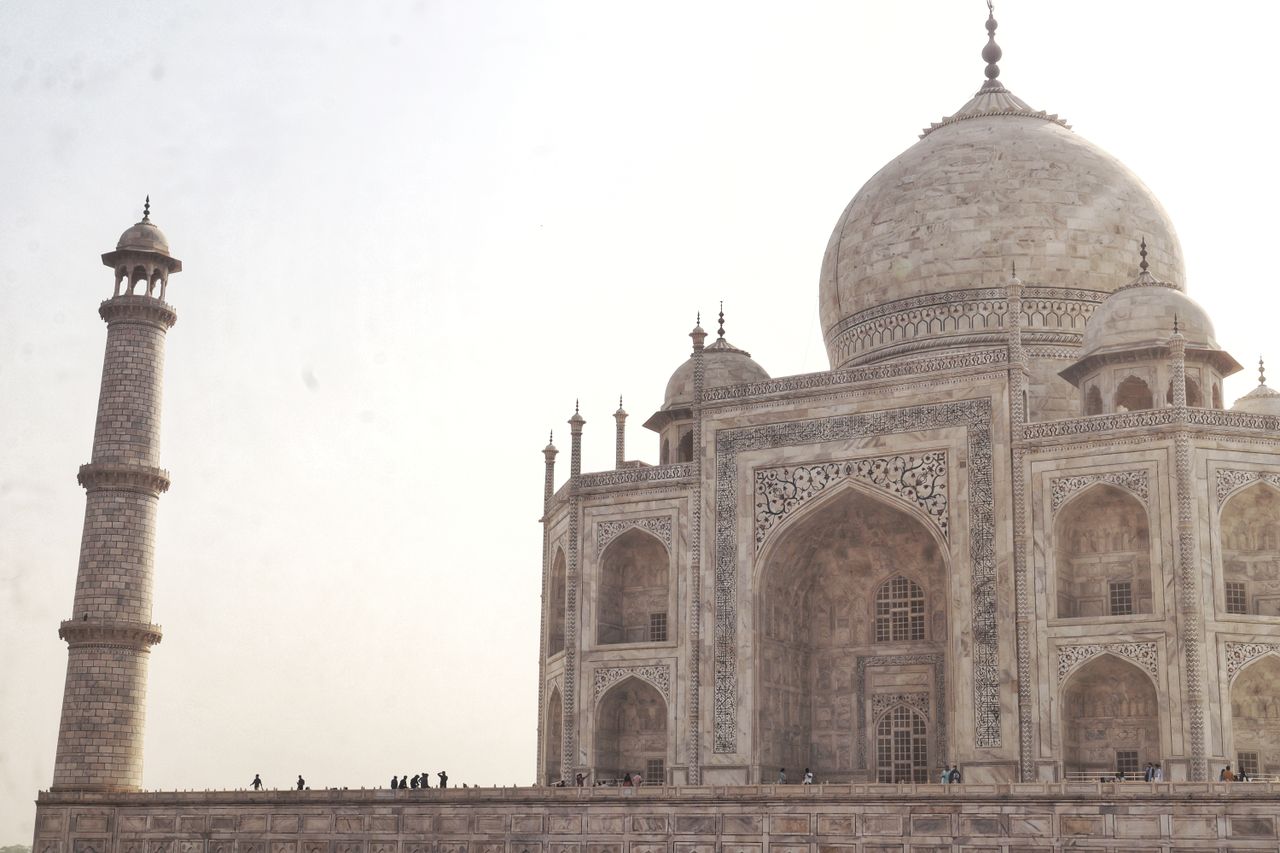
A visitor reviewing the Taj Mahal describes running into scam after scam around the monument itself - unofficial guides demanding money on top of the official ticket price, others attempting to renegotiate an agreed price mid-tour once you're already committed. Other travelers describe a related but separate trick: a driver quotes a surprisingly cheap fare to the Taj, then detours to a marble showroom or gem shop en route, claiming the direct road is blocked or the monument is temporarily closed, banking on the passenger not knowing enough to push back. Posters are direct about the fix: never hand over money until every promised service has actually been delivered, and book only through guides a reputable hotel has vetted and works with regularly, rather than accepting an offer from anyone approaching on the street. For the sunrise visit specifically, posters recommend arriving by 6am given weekend queues can run a full hour, with the ₹750 foreigner ticket including shuttle bus, water and shoe covers for entering the tomb itself.
Reizigersnotities over Agra
Wat mensen die er zijn geweest over de plek zeggen — eerst de notities voor het hele jaar, daarna maand voor maand.
Agra-forum threads on January visibility confirm this is deep fog season, mornings routinely socked in enough that a sunrise Taj Mahal visit can mean staring at grey haze instead of the monument itself. Posters consistently steer visitors toward a 9 or 10am arrival instead, once the fog has generally burned off, rather than chasing the classic sunrise photo that January simply can't reliably deliver. Days warm into comfortable, jacket-optional territory by midday, though mornings and evenings stay genuinely chilly enough for real layers. Regulars call the fog the defining feature of the month far more than temperature, and note it can also delay early train and flight connections into the city, worth building slack into a tight itinerary. The record: 20.3C days feeling like 20C, 8.4C nights, 76 percent humidity, 9.4 hours of sun and an unhealthy 186 AQI.
Agra's forum rates February as one of the better months for the Taj Mahal — past the thick fog of December and January, with pleasant daytime temperatures and cool mornings. Regulars still recommend an afternoon visit over an early one, since morning haze can occasionally soften the view.
Regulars are consistent that winter's fog problem is gone by this point while genuine summer heat hasn't fully arrived, early-month days sitting comfortably in the 25-28C range before the back half turns noticeably warmer. Our row backs that warm, still-dry read, 30.9C reading as a hot 31C, over 16.4C nights, with rain light at 16.9mm across 3.7 days and humidity at 52 percent. Regulars are specific mornings stay comfortable while afternoons edge toward genuinely hot, part of why this counts as the tail end of the broader October-through-March window locals recommend for visiting the Taj Mahal. Regulars are consistent hazy skies can still affect visibility even without winter fog, worth checking before planning an early photo session. The record: 10.9 hours of sun, a 13.2 kph wind and AQI 141.
Agra-forum threads on the best month for a Taj Mahal visit are unanimous that May belongs on the avoid list, temperatures regularly climbing well past 40C and dehydration risk called genuinely serious rather than a minor inconvenience. Regulars steer visitors toward November through February instead, when conditions turn dramatically more comfortable for the same sights. The one silver lining threads repeat: May and June are the quietest months of the year here, tourist numbers at their lowest specifically because of the heat, so anyone determined to visit gets a far less crowded Taj Mahal than the winter peak delivers. The standing advice for a May trip regardless is an early sunrise visit before the heat builds, heavy hydration throughout the day, and treating midday as strictly indoor time. The record: a blistering 39C by day feeling like 41C, 25.6C nights, just 20mm across 5 days, a dry 41 percent humidity and an unhealthy 154 AQI.
Forum posters call August a genuine monsoon month for Agra but manageable - it doesn't rain all day, and an umbrella or raincoat is enough to work around the showers. Humidity runs high, so posters recommend targeting the Taj Mahal at sunrise (around 6am) or sunset (around 6:30pm) rather than the sweltering midday. The upside repeatedly mentioned: rain-washed monument views that regulars call genuinely striking, meaningfully thinner crowds than peak season, and hotels - including higher-end ones - running attractive monsoon-package discounts.
November is inside the stretch the Agra forum names as the good weather - October to about the second week of December - with one caveat that decides your morning. Fog starts building through the month: already there at dawn by the second week, routine by the end of it, and normally gone from about 10am. The advice that follows is to stop chasing a sunrise Taj in late November and go mid-morning instead, roughly 9 to 11, when visibility and light are both better. On air, regulars are comparative rather than reassuring: Agra is not Delhi, usually just a morning haze that lifts. Our own record puts a number on it: AQI 178. The rest: 27.4C days, 14.8C nights, 1.1 precipitation days, 9.7 hours of sun.
December in Agra is comfortable to walk in and bad for the picture you came for. The north Indian winter fog sits on the river at dawn, and the forum's advice is consistent: from December to February a sunrise view of the Taj is unlikely - go after eight or nine, or better, take sunset instead, which is far clearer at this time of year. Mehtab Bagh across the river is the alternative vantage people suggest for an early view. Daytime is reliable enough once the fog lifts. Our row gives 22.1C days over 9.8C nights and just 9.5mm of rain, and adds the figure the forum does not: AQI 173. The record: feels-like 21C by day and 8C at night, humidity 71 percent and 9.1 hours of sun.
Voeg je eigen notitie toe vanaf de kaart van Agra.