퀸스타운 월별 날씨
퀸스타운 여행 최적기는 6월~8월 무렵이에요 — 7월 쾌적도 72/100, 최고 기온 9°C, 비 오는 날 14일. 가장 좋은 계절: 겨울(6월~8월, 평균 65/100).
가장 아쉬운 달: 1월(13/100) — 쾌적함, 비가 잦음, 깨끗한 공기. 1월 보기 →
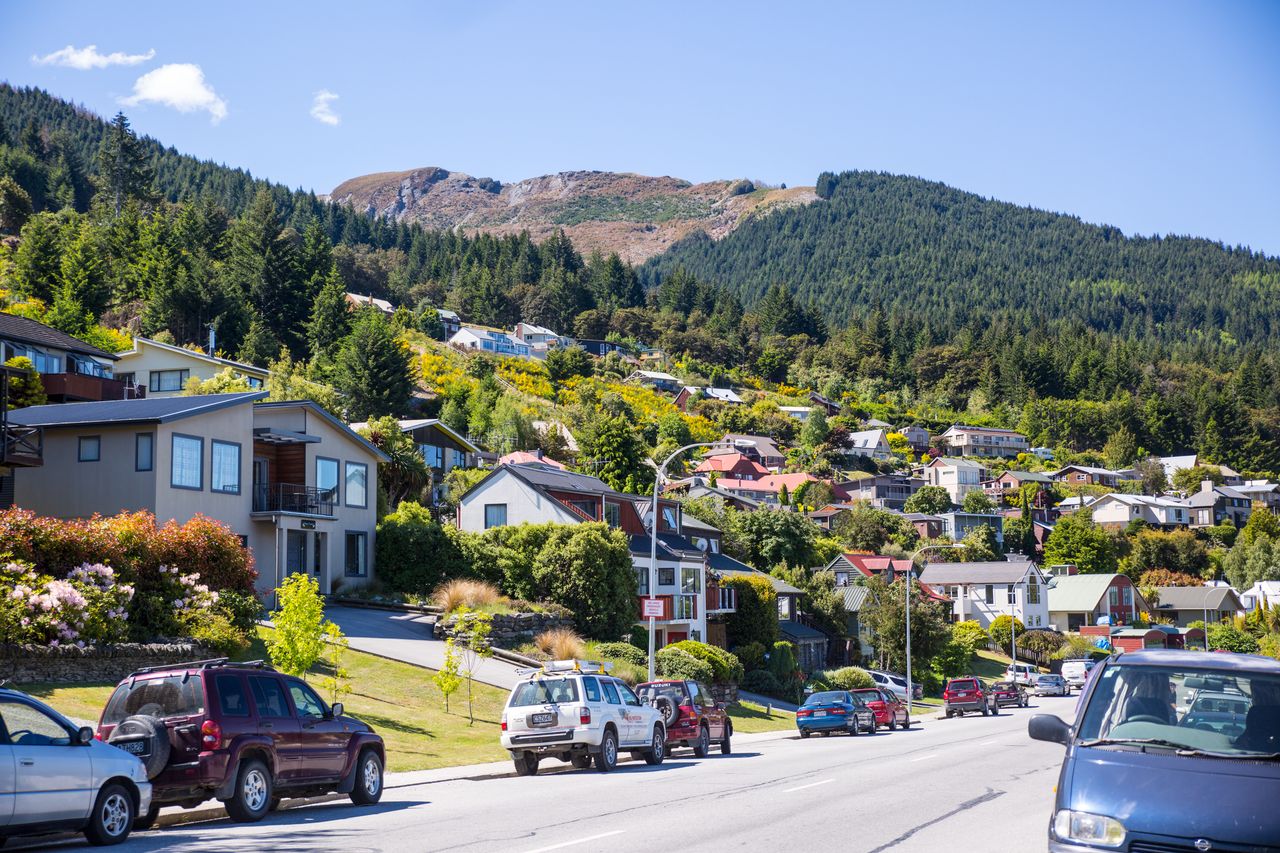
A lakeside town under sharp mountains, built for skiing in winter and for everything else - tramping, biking, wine - the rest of the year.
2026년 9월 업데이트 · ERA5 재분석 기반 기후 평년값
주변 지역까지 여행을 계획 중인가요? 뉴질랜드 여행 최적기 →
가장 좋은 계절: 6월~8월(평균 65/100) · 가장 아쉬운 달 1월(13/100)
- 낮
- 9°C
- 밤
- 0°C
- 비 오는 날
- 14
- 일조
- 4.4 h
- 습도
- 93%
- 낮 길이
- 9 h
퀸스타운 월별 한눈에 보기
퀸스타운에 가장 잘 맞는 여행 유형 기준의 100점 만점 쾌적도 점수, 기후 평년값으로 본 평균 최고 기온·비 오는 날·하루 일조 시간, 그리고 보통 얼마나 붐비는지를 보여 드려요.
퀸스타운, 달마다 어떨까
평균값이 아니라 현지에서 실제로 벌어지는 일을 바탕으로 SeasonMap 에디터가 썼어요.
- 1월
Peak summer: long light evenings, warm days on the lake and the Southern Alps at their most accessible for tramping.
peak
- 2월
The warmest, driest and busiest month, with the great walks at their best and the lake finally worth swimming in.
peak
- 3월
Autumn begins. The crowds thin, the poplars start to turn and the days are still long enough for the big walks.
shoulderharvest
- 4월
The best colour of the year in Arrowtown, with a festival built around it in the second half of the month, and the first snow on the tops.
harvestfestival
- 5월
Quiet and cold, with the ski fields not yet open and the town at its cheapest and emptiest.
low season
- 6월
The ski season opens around the long weekend in the middle of the month, and the town goes from empty to full in a fortnight.
snowshoulder
- 7월
Deep winter: short days, snow on the ranges, New Zealand school holidays, and the Winter Festival in the first half of the month.
snowfestivalpeak
- 8월
The most reliable snow of the year and the busiest skiing. Frosts hold the lake air still and cold for days.
snowpeak
- 9월
Spring skiing on the tops, lambs in the valleys, and the last weeks before the fields close.
snowshoulder
- 10월
The shoulder proper: the ski fields close, the high tracks are still under snow, and the town takes a breath.
low season
- 11월
Long light returns, the alpine tracks open and the lupins come out along the roads: the quiet before the summer.
blossomshoulder
- 12월
Summer starts and the town fills for the holidays, with light in the sky until well after ten.
peak
퀸스타운 연중 행사·축제
축제, 자연 현상, 공휴일, 주의할 시기를 엄선하고 출처를 밝혔어요. 자세한 내용은 월별 페이지에서 볼 수 있어요.
- 3월
- Easter long weekend4월 3–6일휴일
- 4월
- 애로타운 가을 축제4월 15–19일축제
- 애로타운 단풍4월 5일 – 5월 5일(예년 기준)자연
- 안작 데이4월 25–27일휴일
- 6월
- 스키 시즌6월 13일 – 10월 11일(예년 기준)계절
- 스키장 개장6월 13일개장
- 7월
- 뉴질랜드 학교 방학7월 4–19일(예년 기준)휴일
- 9월
- 스노우 머신9월 10–12일축제
- 10월
- 그레이트 워크 시즌10월 25일 – 4월 30일계절
- 스키장 폐장10월 4–11일운영 중단
- 11월
- 길가 루피너스11월 15일 – 1월 5일(예년 기준)자연
- 12월
- Christmas Day closures12월 25–26일휴일
7월 퀸스타운 혼잡도
여행지 자체가 얼마나 붐비는지예요. 학교 방학과 대규모 연휴, 에디터가 꼽은 달, 날씨 때문에 사람이 몰리는 정도를 반영했어요. 쾌적도 점수에는 반영하지 않아요.
매우 붐빔에디터가 꼽은 성수기, 스키 시즌, 뉴질랜드 학교 방학
매우 붐빔붐빔준성수기한산함
퀸스타운 여행 전에 알아 두면 좋은 정보
여행자들이 직접 쓴 글에서 가져온 실제 경험이에요. 원문 링크와 함께 인용했어요.
문화·에티켓
A traveler describes standing on the Kawarau Bridge - the world's first permanent commercial bungy site, opened in 1986 - in a state she calls pure terror while a travel companion stood next to her genuinely excited for the same jump. She's specific about the actual sensation once she committed: the anticipation leading up to the jump was far worse than the fall itself, which she describes as feeling almost like floating rather than the violent drop she'd braced for. She credits the crew directly with getting her off the platform at all, describing them as friendly, clearly experienced, and actively hyping jumpers up right until the moment of the jump rather than leaving people alone with their nerves. Her main takeaway afterward was less about the jump itself and more the specific feeling of having pushed through a fear she'd assumed would stop her, describing a genuine sense of freedom once it was done. Posters generally rate the 43-meter jump over the turquoise Kawarau River as intense but well-supported, with the staff's reassurance repeatedly cited as what got hesitant jumpers to actually go.
퀸스타운 여행자 노트
다녀온 사람들이 전하는 이곳 이야기예요. 연중 노트를 먼저, 그다음 달별 노트를 보여 드려요.
Forum posters describe January as warm by New Zealand standards - typically 20-30C, sometimes hotter - but genuinely unpredictable, with reports of conditions shifting rapidly and even a surprise snow flurry in the mountains during what's technically midsummer. Posters consistently recommend packing for both ends: shorts and t-shirts for warm days, but jeans and a light fleece or jacket on hand for a cooler or windy stretch, which does happen around the southern lakes. January is also named as Queenstown's single busiest month of the year for tourism nationwide, with posters noting weather tends to settle into a more consistent pattern by February if flexibility on travel dates is an option.
Forum posters call February one of Queenstown's best months - warm (typically high-teens to low-20sC by day, among the mildest of the year here even at the peak of summer), dry and settled. Posters do note nights cool noticeably, and a cold snap is always possible even in high summer, so a light jacket to cut a chilly wind is standard advice alongside warm-weather clothing. Anyone heading out to Milford Sound or tackling one of the region's signature hikes is told to bring proper rain and wind gear regardless of the sunny forecast in town. The clear downside: February is genuinely peak season, drawing Northern Hemisphere visitors escaping winter, Chinese New Year travelers, and Australians escaping their own heat or wet season all at once - posters consistently recommend booking accommodation well ahead for this specific month.
Queenstown-forum threads on an April visit describe days as genuinely sunny and warm even as nights and mornings turn noticeably cold, posters naming this temperature swing as standard for autumn here. Regulars call autumn foliage genuinely peaking around the twenty-fifth of the month, several posters naming an autumn festival running the same week as a real reason to time a visit around then. Posters call leaves genuinely dropping fast once past peak, several regulars naming this a narrow window worth planning around if foliage is the priority. Regulars call April genuinely quieter than ski season or summer by Queenstown standards, several threads noting it still feels busy compared with most other destinations. Posters recommend real layering with merino and a puffer jacket for the day-to-night swing, several regulars calling this standard given how much temperatures shift. The record: 16.2C days, 4.4C nights, 101mm across over 11 days and 81 percent humidity.
Forum posters describe May as genuinely transitional - autumn colors can still be excellent early in the month (the local autumn festival runs April 25-28, at peak leaf color, with mid-May already past its best), while cold snaps become more common as the month goes on, with well-below-zero nights, first snowfalls and hoar frosts toward Central Otago a real possibility. Posters are quick to note the flip side: a cold snap often brings fresh overnight snow on the surrounding mountain tops paired with clear, sunny, deep-blue-sky days - genuinely scenic conditions, though strong enough sun that sunblock and good sunglasses are still recommended even in cooler weather. May sits in shoulder season, so posters consistently note noticeably smaller crowds than the summer peak.
Queenstown-forum threads on July weather confirm real snow in town is a genuine possibility, and the surrounding ski fields are typically at their best this month, July and August both singled out as the strongest stretch of the season. Daytime highs barely clear the high 40s Fahrenheit, nights dropping well below freezing, but posters describe the daytime sky as brilliant blue with abundant sun, just paired with genuinely low temperatures rather than the grey, wet cold of other winter destinations. Driving between Queenstown and neighboring towns like Wanaka or Te Anau carries a real chance of snow and ice, mornings and after dark the riskiest windows. July overlaps with school holidays, meaning ski fields and town both run considerably busier with families. The record: a raw 8.8C by day dropping to -0.3C at night, 123mm across 13.9 days, a notably high 36.6cm of fresh snowfall, 93 percent humidity and just 4.4 hours of sun.
July is winter here and the score treats it accordingly — that's right for hiking and wrong for why people come. Coronet Peak and The Remarkables are open, the lake reflects, and the town is busiest it gets. Southern Alps weather turns in an hour.
Queenstown's forum calls August genuinely mid-winter — good snow, the ski season in full swing — with the one real risk being flight delays in and out during storms, so regulars recommend travel insurance and a buffer day either side of a short trip.
Queenstown-forum threads on September weather describe daytime conditions as relatively mild for winter's tail end, posters calling mornings and evenings still capable of a real frosty chill. Regulars call snow-capped peaks a genuine visual highlight this month, the mountains still holding real cover even as the town warms up. Posters call skiing still a real option early in September, one traveler planning a trip built around it before the season winds down. Regulars call this a solid window for a first-timer, September striking a balance between winter scenery and milder daytime conditions. Posters recommend real layers regardless of how the afternoon looks, conditions here swinging between morning and midday. Regulars recommend checking Milford Sound tour availability directly, weather-dependent cancellations a real possibility this time of year. The record: 12.2C days feeling like 11C, 1.7C nights, an extraordinarily high 173.1mm across over 15 days and 71 percent humidity.
Queenstown's forum describes November as genuinely changeable early-summer weather — frosty mornings warming to sunny 15-20°C by midday, cooling again once the evening sets in. Regulars warn this is one of the wetter, windier stretches of the year locally, and that a squall can roll through for 30-40 minutes before clearing to bright sun again — a proper rain jacket is essential.
지도의 퀸스타운 카드에서 나만의 노트를 남겨 보세요.