닛코 월별 날씨
닛코 여행 최적기는 4월~6월 무렵이에요 — 5월 쾌적도 79/100, 최고 기온 20°C, 비 오는 날 17일. 가장 좋은 계절: 봄(3월~5월, 평균 73/100).
가장 아쉬운 달: 1월(55/100) — 추움, 가끔 비, 깨끗한 공기. 1월 보기 →
2026년 9월 업데이트 · ERA5 재분석 기반 기후 평년값
주변 지역까지 여행을 계획 중인가요? 일본 여행 최적기 →
닛코Nikko, Japan🇯🇵 일본 · 일본 본토 · 도시79
가장 좋은 계절: 3월~5월(평균 73/100) · 가장 아쉬운 달 1월(55/100)
- 낮
- 20°C
- 밤
- 10°C
- 비 오는 날
- 17
- 일조
- 9.1 h
- 습도
- 80%
- 낮 길이
- 14 h
닛코 월별 한눈에 보기
닛코에 가장 잘 맞는 여행 유형 기준의 100점 만점 쾌적도 점수, 기후 평년값으로 본 평균 최고 기온·비 오는 날·하루 일조 시간, 그리고 보통 얼마나 붐비는지를 보여 드려요.
닛코 연중 행사·축제
축제, 자연 현상, 공휴일, 주의할 시기를 엄선하고 출처를 밝혔어요. 자세한 내용은 월별 페이지에서 볼 수 있어요.
5월 닛코 혼잡도
여행지 자체가 얼마나 붐비는지예요. 학교 방학과 대규모 연휴, 에디터가 꼽은 달, 날씨 때문에 사람이 몰리는 정도를 반영했어요. 쾌적도 점수에는 반영하지 않아요.
매우 붐빔골든위크, 도쇼구 춘계 대제, 일본의 Golden Week(추정)
123456789101112
매우 붐빔붐빔준성수기한산함
닛코 여행 전에 알아 두면 좋은 정보
여행자들이 직접 쓴 글에서 가져온 실제 경험이에요. 원문 링크와 함께 인용했어요.
practical
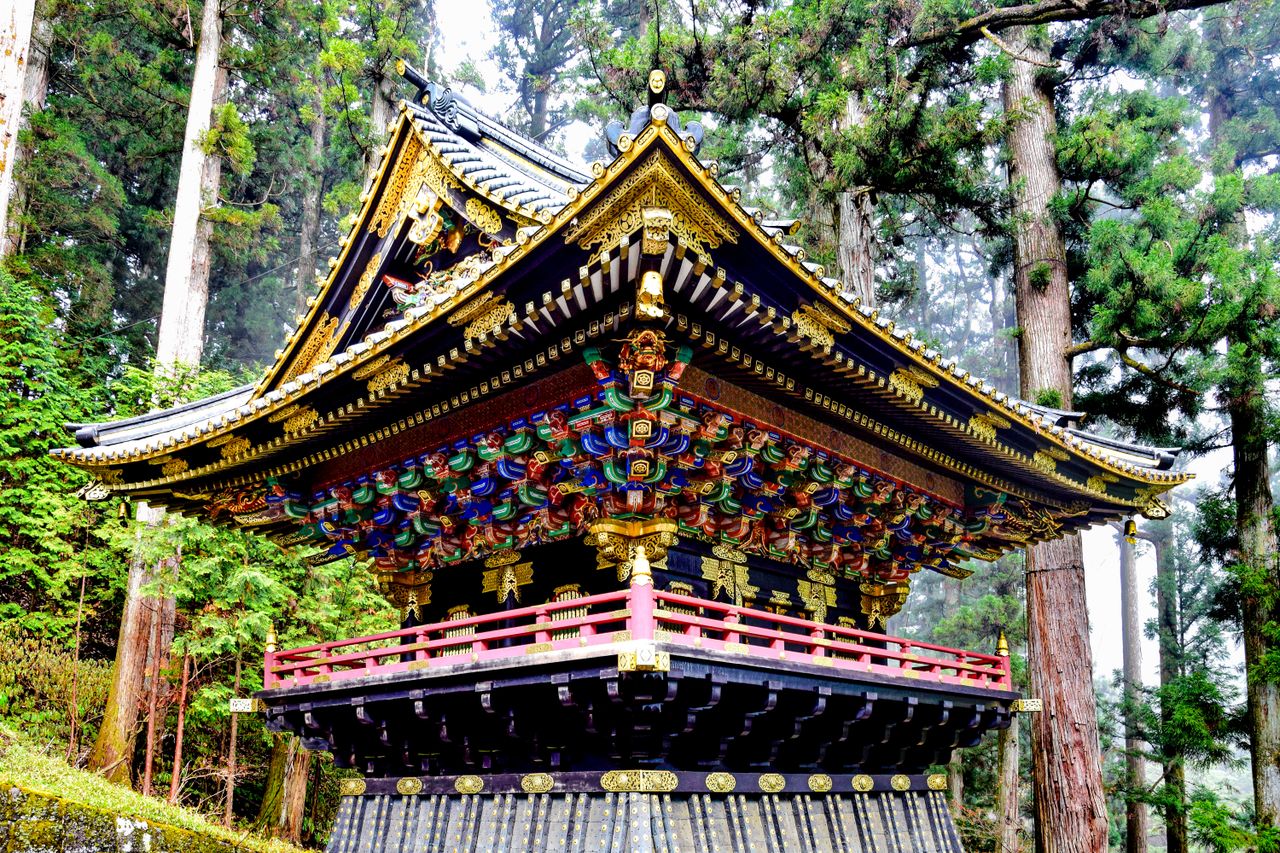
We arrived at 9am sharp on a weekday specifically to catch the Crying Dragon room before the tour buses, which our guesthouse owner warned typically arrive between 11am and 1pm and turn the Yomeimon Gate into a genuine crush. Walking between shrines in the early morning mist through the cedar forest was easily the most peaceful part of the whole visit. We found a small shack behind the Haiden of Futarasan Shrine serving tea and coffee brewed with water from the sacred spring, a quiet detour most day-trippers seemed to miss entirely. Two days turned out to be the bare minimum to properly cover Toshogu, Taiyuin, and the gorge walk along the Daiya River without rushing.
닛코 여행자 노트
다녀온 사람들이 전하는 이곳 이야기예요. 연중 노트를 먼저, 그다음 달별 노트를 보여 드려요.
Regulars are specific the lower Toshogu area can turn cold and rainy with sleet even as the mountains above stay genuinely hard to predict, snow at higher elevations a real possibility - one memorable year even brought a snowstorm as late as April 1st. Our row backs that cold, genuinely wet read, 10.1C over -0.1C nights feeling as low as -4C, with a substantial 131.9mm of rain across 14.6 days and real snow, 32.4cm. Regulars are consistent Lake Chuzenji specifically runs colder and more exposed than the lower town, staying cold and crisp even late in the month. Thick coats, hats and gloves remain the standard advice throughout rather than an early-spring wardrobe. The record: humidity 73 percent, 8.5 hours of sun and a 13 kph wind.
For once our snow column is not describing a distant hillside: visitors to Nikko in early April report actual snow, very cold air around Kegon Falls, and at least one April storm that made roads impassable, which is what the 8.5cm in our row is. The split to plan around is inside the destination. Downtown Nikko is the mild part at 15.2C over 4.8C; up at Lake Chuzenji, several hundred metres higher, the mountains are still white and the woods still under snow while the town below is in spring. If the Fukiware-to-Chuzenji road closes there is a low route that adds about two hours. And regulars are blunt that this is not a cherry-blossom destination - Nikko is deciduous forest, not sakura. The record: 142.6mm across 14.9 days, 9.1 hours of sun and AQI 55.
Forum posters describe May in Japan generally as warm to lovely, with the rainy season not typically starting until early-to-mid June, though conditions can be changeable - a few sunny days can be followed by a day or two of rain. Posters flag a real elevation effect specific to Nikko, though: up at Lake Chuzenji, considerably higher than Tokyo, conditions can turn freezing and windy even on an otherwise sunny, warm day down in town, sometimes with fog or drizzle even when it's dry and pleasant at lower elevation - all while cherry blossoms can still be blooming up there in May. Posters consistently recommend packing for a wide range, from short sleeves up to a light or down jacket for higher-elevation stops, plus a folding umbrella just in case.
The standing Japanese advice for June is that the tsuyu is bearable - light rain rather than torrential, warm rather than hot days, not raining every day, with the season usually starting around the 10th. Nikko is the place that advice under-describes. Our row carries 217.4mm across 22 precipitation days at 85 percent humidity, two days in three and ten millimetres on each, because this is mountain country rather than Tokyo. What goes first is the view: one June visitor could not see Kegon Falls at all for fog. What is at its best is the planting - the ajisai hydrangeas and the moss are the reason several regulars pick June anyway. Come with indoor options and a flexible order. The record: 22.7C days, 14.9C nights, 8.6 hours of sun and AQI 57.
September here can be too foggy and wet for good visibility, and regulars say October and November both run drier - our row backs that with 241.5mm across 23 days at 87.9 percent humidity, easily this destination's wettest column of the ones we carry. The consolation is Kegon Falls itself: the volume of water is at its best now, and visitors who caught a clear late-September day call the falls robust and colourful with the season's first hints of colour already showing. Peak foliage in the upper park is a month or more away, mid to late October. Our temperature reads gently, 23.8C over 17.6C, with only 7.5 hours of sun a day standing behind that rain total. The record: an 8.4 kph wind and AQI 38.
The colour here is a question of altitude, not date. Regulars are blunt that the town and shrine area is mostly cedar and does not turn at all, so the autumn everyone comes for is up the Irohazaka road at Chuzenji and Kegon, and by late October that upper ground is in full colour. The cost is the same road: weekends are extremely crowded and the bus up to Oku Nikko can hold you for hours, so the advice is a weekday and a very early start. Light layers do it in October at 17.9C over 10.6C. Our row adds what the board leaves out - 197.7mm across 17.4 days and only 7 hours of sun - so this is a wet month to be planning a view in. The record: humidity 84 percent, a 9.2 kph wind and AQI 32.
Nikko's forum is consistent that fall foliage peaks in October and is essentially gone by mid-to-late November, with posters describing colder conditions setting in fast - morning frost is common late in the month, and a bit of snow becomes a real possibility. Visitors who went in the first half of November generally had no complaints, describing mostly clear weather with only occasional rain. For anyone specifically chasing peak color into late November, forum regulars consistently redirected to Hakone or the Fuji Five Lakes area instead, where the display tends to hold on longer.
지도의 닛코 카드에서 나만의 노트를 남겨 보세요.