Cuaca Lalibela per bulan
Waktu terbaik mengunjungi Lalibela adalah Januari, Oktober dan November — 96/100 di Oktober, 22°C dan 2 hari hujan. Musim terbaiknya adalah musim dingin, Desember sampai Februari (rata-rata 93/100).
Bulan terburuknya adalah Agustus dengan 68/100 — nyaman, basah kuyup, udara gerah. Lihat Agustus →
Diperbarui September 2026 · normal iklim dari reanalisis ERA5
Merencanakan perjalanan yang lebih panjang? Waktu terbaik mengunjungi Etiopia →
Musim terbaik: Desember sampai Februari (rata-rata 93/100) · terburuk Agustus (68/100)
- Siang
- 22°C
- Malam
- 9°C
- Hari hujan
- 2
- Matahari
- 10.8 h
- Kelembapan
- 61%
- Jam siang
- 12 h
Lalibela, bulan demi bulan
Skor kenyamanan dari 100 untuk jenis perjalanan yang paling cocok di Lalibela, suhu tertinggi rata-rata, hari hujan dan jam matahari per hari dari normal iklim, serta seberapa ramai biasanya.
Agenda di Lalibela sepanjang tahun
Festival, fenomena alam, hari libur, dan musim yang perlu diwaspadai — dikurasi dan bersumber jelas. Detailnya ada di halaman tiap bulan.
- Januari
- Genna at the rock churches6–8 JanFestival
- Timkat18–21 JanFestival
- Februari
- After the pilgrims leave1 Feb – 31 Mei (biasanya)Musim
- April
- Fasika, Ethiopian Easter5 Apr – 5 Mei (biasanya)Festival
- Juni
- Kiremt, the big rains15 Jun – 15 Sep (biasanya)Musim
- Agustus
- Shadey, the girls' festival16–26 Agu (biasanya)Festival
- September
- Meskel26–28 SepFestival
Keramaian di Lalibela pada Oktober
Seberapa ramai tempatnya sendiri — libur sekolah dan libur massal, bulan-bulan yang ditandai editor, dan seberapa diburu tempat itu karena cuacanya. Tidak pernah menjadi bagian dari skor kenyamanan.
Ramailibur sekolah di 4 pasar utama yang memenuhinya, salah satu bulan cuaca terbaiknya(perkiraan)
Puncak keramaianRamaiMusim peralihanSepi
Yang perlu diketahui sebelum ke Lalibela
Pengalaman nyata dari tulisan para pelancong sendiri, dikutip dengan tautan ke aslinya.
culture
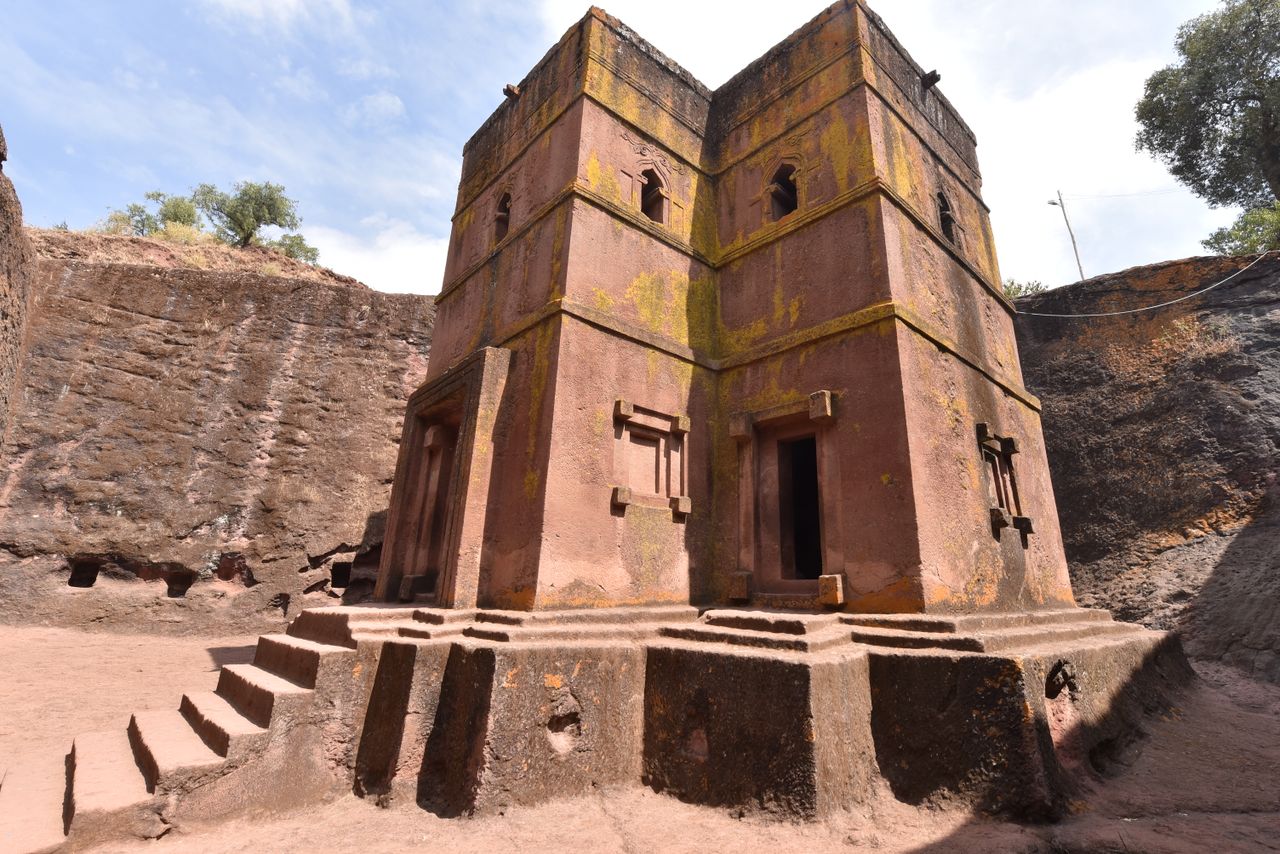
We split the rock-hewn churches over two full days, the northern cluster one day and the southern group plus Bet Giyorgis the next, and deliberately left gaps to just sit in a courtyard rather than rushing between every carved passage. Hiring a local guide made the biggest difference, since the layered history and legend behind each church isn't signposted anywhere and we would have just seen carved stone without the context. The single fifty-dollar ticket covers all eleven churches. Since Lalibela is still an active place of worship, we kept shoulders and knees covered the whole time, and visiting in March meant lower prices than peak season with only the occasional short rain shower.
Catatan pelancong tentang Lalibela
Kata mereka yang pernah ke sana — catatan sepanjang tahun lebih dulu, lalu bulan demi bulan.
Lalibela-forum threads on visiting the rock-hewn churches call January genuinely one of the best months, comfortably dry conditions across the October-through-March stretch and clear skies favoring the Ethiopian Christmas and Timkat celebrations that fall in early and mid-January. Posters describe the town's 2,500-meter elevation as keeping the air cool once the sun drops, a proper jacket standing advice for evenings and the Asheton St Maryam sunrise outing. Regulars call Ethiopian Christmas on January 7th and Timkat on the 19th real draws in their own right, thousands of pilgrims arriving and the town noticeably livelier than an ordinary visit. A qualified local guide is repeatedly named essential for the eleven interconnected churches, several posters calling a solo, unguided visit a real missed opportunity. Daytime layers for a comfortable but variable day are standing advice. The record: 22.7C days feeling like 21C, 9.1C nights, a low 47 percent humidity and 9.9 hours of sun.
Lalibela-forum threads on a March visit describe the month as neither high nor low season locally, posters calling the true high season mid-October through February and the low season running from May into early September. Regulars call March comfortable for touring the rock-hewn churches, crowds noticeably lighter than the busier months around it. Posters recommend timing a visit for a Sunday if possible, describing the religious ceremony held then as a real highlight for visitors. Regulars call a guide worth hiring regardless of experience level, several posters naming specific local guides as genuinely excellent. Posters call two to three days enough to see the main church clusters properly, longer trips typically combining Lalibela with other northern circuit stops. Regulars recommend real layers for the morning and evening chill despite comfortable daytime warmth. The record: 24.3C days feeling like 25C, 11.6C nights, 21.9mm across over 4 days and 58 percent humidity.
Forum posters describe rain in Lalibela during April as genuinely unpredictable - a visit could see no rain at all or rain on ten consecutive days - but are consistent that even a wetter April stretch is nothing like the intensity of Ethiopia's July-August rainy season peak. Posters discussing nearby destinations note the far northern Danakil Depression specifically becomes dangerously hot around this time of year, a real consideration for anyone combining a Lalibela visit with that region, though it doesn't directly affect Lalibela's own highland climate. Posters describe the rock-hewn churches themselves as remaining fully accessible and worth visiting regardless of the exact April rain pattern. Posters generally rate April as genuinely variable but far more moderate than peak rainy season for Lalibela, worth packing rain gear for without expecting the heaviest downpours.
Lalibela-forum threads on June weather confirm the rainy season is just getting underway, noticeably milder than the heavier soak that arrives in July and August, showers typically arriving as an afternoon downpour rather than settling in for the whole day. Posters call sun protection genuinely important even in a wetter month - the highland sun here is strong enough to burn fast between showers, stronger than many visitors expect given the rain in the forecast. Regulars are consistent the churches themselves are close enough together that a shower doesn't meaningfully disrupt a visit, no long walks between sites required. The surrounding highlands turn a vivid green early in the rainy season while the access roads still stay reasonably firm, a real contrast to the deep mud that can set in by peak season. The record: 23.2C days feeling like 22C, 12.1C nights, a notably high 109mm across nearly 11 days, 57 percent humidity and 10.7 hours of sun.
Lalibela-forum reviews on a September visit describe this as genuinely still within the rainy season, posters naming June through September as the wetter stretch here. Regulars call September specifically appealing for mountain wildflowers, one reviewer naming this the month they'd choose to return for given how the hillsides look this time of year. Posters call fast-drying clothing genuinely useful, several regulars naming puddles that form fast after a downpour as a reason to pack accordingly. Regulars call vans genuinely prone to struggling on mountain roads to some of the outlying rock churches in the rains, several threads naming a mule ride as the real alternative when a road becomes impassable. Posters recommend flexible plans around September weather, several regulars calling fewer crowds a real upside of visiting during the rainy season. The record: 20.6C days, 9.6C nights, an extraordinarily high 222.9mm across 18 days and 74 percent humidity.
Mid-October to mid-March is the forum's window for northern Ethiopia, and October is the start of it rather than the safe middle: the big rains often run about ten days into the month, so the first week can still catch their tail. After that it is dry and mild — 22°C by day, but 9°C at night, which is the figure to pack for at this altitude. July to September is the stretch to avoid outright in the highlands. If the dates are flexible, mid-October into November is what regulars actually recommend.
Lalibela-forum threads on a November visit describe conditions as genuinely the best window for church exploration with clear skies and cool mornings. Regulars call guided tours genuinely essential in the pitch-dark churches, several posters naming hand-above-head navigation as standard practice. Posters call an eight pm curfew genuinely a real constraint, several regulars naming this as requiring accommodation planning. Regulars call the churches genuinely worth multiple visits, several threads naming Yemrehanna Kristos as worthwhile. Posters call official visiting hours genuinely eight am to noon and two to five-thirty pm. Regulars recommend hiring a knowledgeable guide for deeper context, several threads naming priest interactions as the payoff. Posters recommend real respect for active worship spaces, several regulars calling this standard given the sacred nature of these churches. The record: 21.9C days, 8.7C nights, 13.3mm across nearly 2 days.
Lalibela-forum reviews on the rock-hewn churches describe December as sitting comfortably within the region's favored travel window, the northern highlands' wetter stretch well behind and clear days the reliable norm. Posters call the elevation a real factor, daytime conditions comfortable rather than intense even at the height of the dry season given how high this part of Ethiopia sits. Regulars describe evenings as turning genuinely cool, a proper layer worth keeping on hand regardless of how mild the day felt. Posters call the eleven churches, carved from single blocks of stone over decades, worth every bit of the trip's remoteness and logistics. Regulars recommend a licensed local guide for real context on the site's history and layout. Posters call December through the following few months the strongest stretch for a visit given how settled conditions run. The record: 22.2C days feeling like 21C, 8.2C nights, a low 51 percent humidity and 10.6 hours of sun.
Tambahkan catatan Anda dari kartu Lalibela di peta.