מזג האוויר בפוקהרה לפי חודשים
הזמן הטוב ביותר לבקר בפוקהרה הוא מרץ, נובמבר ודצמבר — 87/100 בנובמבר, 20°C ו15 ימים גשומים. העונה הטובה ביותר היא חורף, דצמבר–פברואר (80/100 בממוצע).
החודש החלש ביותר הוא יולי, עם 49/100 — חם, שטוף גשם, אוויר נקי. לראות את יולי →
עודכן ספטמבר 2026 · נורמלים אקלימיים מניתוח חוזר ERA5
מתכננים את הטיול הגדול? הזמן הטוב ביותר לבקר בנפאל →
העונה הטובה ביותר: דצמבר–פברואר (80/100 בממוצע) · הכי חלש ביולי (49/100)
- ימים
- 20°C
- לילות
- 11°C
- ימים גשומים
- 15
- שמש
- 9.6 h
- לחות
- 78%
- אור יום
- 11 h
פוקהרה, חודש אחר חודש
ציון נוחות מתוך 100 לסוג הטיול שפוקהרה הכי מתאים לו, המקסימום הממוצע, ימים גשומים ושעות שמש ביום מתוך הנורמלים האקלימיים, וכמה עמוס שם בדרך כלל.
מה קורה בפוקהרה לאורך השנה
פסטיבלים, מופעי טבע, חגים והעונות שכדאי לשים לב אליהן — נבחרים ומגובים במקורות. הפירוט נמצא בעמודי החודשים.
- פברואר
- Holi at Lakeside25 בפברואר – 25 במרץ (בדרך כלל)פסטיבל
- מרץ
- Rhododendron above Ghorepani15 במרץ – 30 באפריל (בדרך כלל)טבע
- Spring trekking season1 במרץ – 15 במאיעונה
- יוני
- Monsoon on the lake10 ביוני – 20 בספטמבר (בדרך כלל)עונה
- ספטמבר
- Dashain20 בספטמבר – 25 באוקטובר (בדרך כלל)חג
- אוקטובר
- Tihar15 באוקטובר – 15 בנובמבר (בדרך כלל)חג
- Autumn trekking season1 באוקטובר – 30 בנובמברעונה
- Paragliding season1 באוקטובר – 15 באפרילעונה
- דצמבר
- Pokhara Street Festival28 בדצמבר – 1 בינוארפסטיבל
עומס בפוקהרה בנובמבר
כמה עמוס המקום עצמו — חופשות בית ספר וחגים המוניים, החודשים שעורך סימן, וכמה מזג האוויר הופך אותם למבוקשים. אף פעם לא חלק מציון הנוחות.
עומס שיאAutumn trekking season, Tihar(הערכה)
עומס שיאעמוסעונת בינייםשקט
כדאי לדעת לפני שנוסעים לפוקהרה
חוויות אמיתיות מתוך הכתבות של מטיילים, מצוטטות עם קישור למקור.
ויזות וכניסה
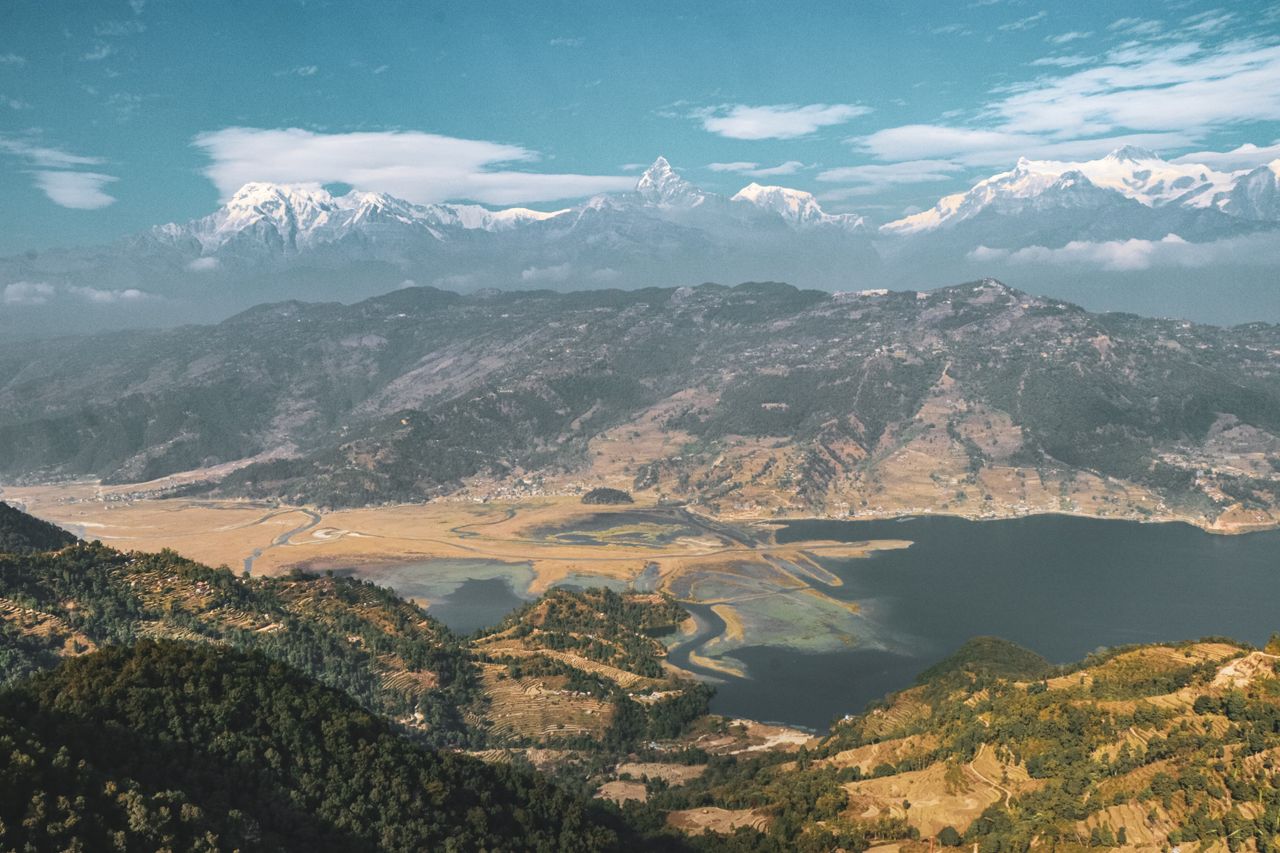
A first-time paraglider in Pokhara describes the moment the hillside drops away underfoot and the thermal catches the wing, suddenly soaring a thousand meters above Phewa Lake with the Annapurna range filling the horizon. Her practical advice: book only with NCAA-licensed operators and CIVL-certified pilots, since the accidents that do happen involve cheap unlicensed touts working the lakeside; autumn (September-November) gives the clearest skies and best mountain views of the year.
הערות מטיילים על פוקהרה
מה אומרים אנשים שהיו שם — קודם ההערות של כל השנה, ואחר כך חודש אחר חודש.
Pokhara-forum threads on February trekking describe conditions as genuinely comfortable for walking, posters calling daytime temperatures pleasant without the sticky heat of later spring. Regulars call this one of the quieter windows on the main trekking routes, less crowded than the busier March and April season. Posters describe mountain views as often clearer this time of year, though a hazy stretch remains possible on any given day. Regulars recommend real layers for the evening chill, temperatures dropping once the sun goes down even at Pokhara's low elevation. Posters call checking a multi-day forecast before committing to a route worthwhile, conditions at higher altitudes shifting faster than the lake-side town suggests. Regulars call February a solid choice for anyone prioritizing comfortable walking temperatures over guaranteed clear skies. The record: 16.8C days feeling like 17C, 6.6C nights, an extraordinarily high 192.7mm across nearly 20 days and 77 percent humidity.
Pokhara-forum threads on a March visit call this genuinely one of the better windows for Nepal overall, posters describing conditions as generally favorable though morning mist at lower elevations is a real possibility. Regulars call mornings typically clear with building cloud around the peaks by midday, afternoon showers a genuine factor later in the month. Posters recommend Sarangkot for panoramic Annapurna views regardless of trekking plans, a real option for anyone not doing a multi-day route. Regulars call rhododendron blooms a March highlight on many of the popular treks, timing here considered genuinely rewarding for anyone interested in the flowers specifically. Posters recommend real layers for elevation gain regardless of comfortable conditions in town, mountain weather here shifting fast once a trek climbs. The record: 20.5C days feeling like 21C, 8C nights, an extraordinarily high 194.7mm across nearly 20 days and 76 percent humidity.
Pokhara-forum threads on an April visit describe conditions as genuinely mild and pleasant, posters naming a range roughly between twenty and thirty degrees as standard for the month. Regulars call Pokhara genuinely warmer and more humid than Kathmandu by late April, several posters naming this a real difference worth planning around. Posters call haze from regional farm burn-offs a genuine recurring complaint, several regulars naming this a real reason mountain views can disappoint despite otherwise clear skies. Regulars call nights genuinely mild enough that a fan covers it, several threads confirming air conditioning isn't really necessary. Posters recommend checking recent haze reports before counting on mountain views, several regulars calling this standard given how much visibility varies day to day. The record: 24.1C days, 11.5C nights, an extraordinarily high 193.2mm across nearly 16 days and 72 percent humidity.
Forum posters describe May as genuinely hot in the Pokhara valley, commonly citing daytime temperatures around 26-30C, with brief thunder showers a real possibility even though the full monsoon hasn't arrived yet. Posters frame May as noticeably less wet than the June-September monsoon peak, which is a fair relative comparison - though the real monthly data shows May itself already carries a high number of rainy days, more a ramp-up into the wet season than a genuinely dry month in absolute terms. Posters do flag a real tradeoff for mountain views: increasing haze and humidity this time of year can soften or obscure distant Himalayan peaks, even on days without active rain, something to weigh for anyone prioritizing clear mountain photography over comfortable trekking temperatures.
Pokhara-forum threads on late-September conditions describe the monsoon as genuinely winding down by the last week, posters calling that stretch a real sweet spot with clear skies compared to earlier in the month. Regulars are direct early September remains solidly within the wettest part of the Nepal year here, real caution warranted for anyone planning serious trekking that early. Posters describe the mountain views as becoming genuinely crystal clear once the pattern breaks, a real reward for timing a visit toward month's end. Regulars call daytime temperatures comfortable in the mid-twenties Celsius once the shift happens. Posters recommend building flexibility into any Annapurna-area itinerary given how much conditions vary within the same month. Regulars call late September through October the genuinely strong window for the wider region. The record: 25C days feeling like a punishing 30C, 20.6C nights, an extraordinarily high 806mm across nearly 28 days and 88 percent humidity.
Pokhara-forum threads on October weather confirm the wetter season generally winds down by mid-month, comfortable mid-20s Celsius days becoming the norm as the pattern clears, though posters flag that in some recent years a genuinely heavy system has still rolled through right at the start of the month. Traditionally the strongest trekking month of the year, October's reputation has taken a bit of a hit from a couple of unusually unsettled recent seasons, so posters recommend a flexible start date rather than assuming a guaranteed clear window. Regulars note the temperature gap between Pokhara, sitting around 1,000 meters, and a high-altitude route like Annapurna Base Camp near 4,200 meters is substantial, proper layering essential regardless of how mild the lake town feels. Mountain views are consistently better once the pattern settles by late October. The record: 23C days feeling like 26C, 15.5C nights, a notably high 252mm across nearly 19 days and 79 percent humidity.
Pokhara's forum rates November highly — clear skies, warm and sunny days around 25°C in the sun, cooler mornings and evenings that call for a fleece rather than a heavy down jacket. Regulars flag it as one of the best months for mountain visibility, with peaks typically visible most of the day, and note Pokhara itself runs a touch warmer than Kathmandu.
December and January are the driest and clearest months in Nepal, which is why regulars recommend December over the spring for Annapurna views - more reliably clear daytime skies than April, and quieter trails with it. Down in Pokhara at 800m it is not cold: highs around 15 to 21C, lows near 8C, and late-December trek reports read like a good English spring day. The altitude is where it changes - rooms high on the trail sit near -10C in December and January, so the packing depends entirely on how high you go rather than on the town. Haze is possible but is far less the December problem than it is later in the winter. The record for Pokhara: 16.7C days, 8.4C nights, 11.5 precipitation days, 9.1 hours of sun and AQI 75.
הוסיפו הערה משלכם מהכרטיס של פוקהרה במפה.