Foz do Iguaçu — sää kuukausittain
Foz do Iguaçu: paras matka-aika on kesäkuu–elokuu — heinäkuu saa 87/100, 25 °C ja 6 sadepäivää. Paras kausi on kuiva kausi, kesäkuu–syyskuu (keskimäärin 81/100).
Heikoin kuukausi on tammikuu, 51/100 — tukahduttava, sateinen, puhdas ilma. Katso tammikuu →
Päivitetty syyskuu 2026 · ilmastonormaalit ERA5-uusanalyysistä
Suunnitteletko laajempaa matkaa? Brazil: paras matka-aika →
Paras kausi: kesäkuu–syyskuu (keskimäärin 81/100) · heikoin tammikuu (51/100)
- Päivät
- 25°C
- Yöt
- 13°C
- Sadepäivät
- 6
- Aurinko
- 8.2 h
- Kosteus
- 75%
- Valoisa aika
- 11 h
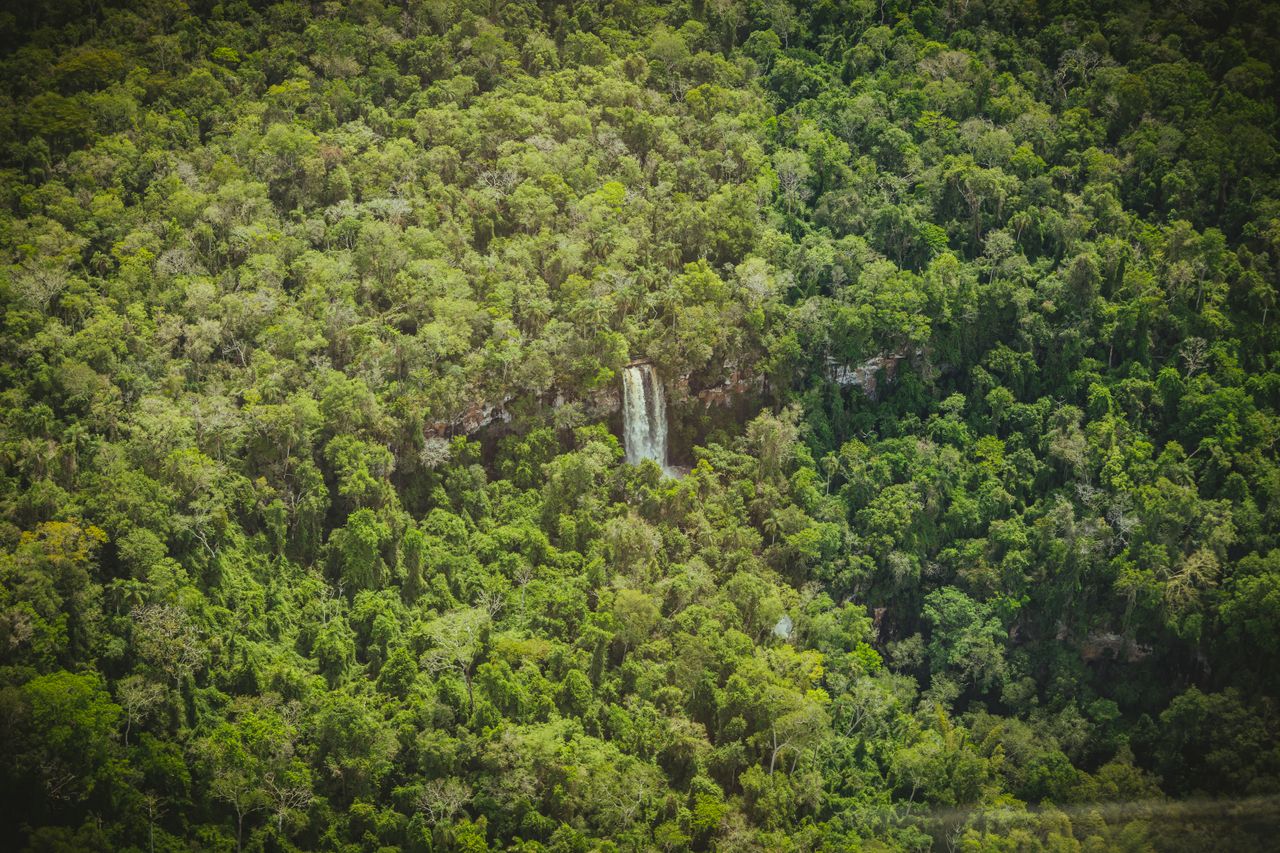
Foz do Iguaçu kuukausi kuukaudelta
Mukavuuspisteet asteikolla 0–100 sille matkatyypille, johon Foz do Iguaçu parhaiten sopii, sekä keskimääräinen ylin, sadepäivät ja aurinkotunnit päivässä ilmastonormaaleista — ja se, kuinka vilkasta yleensä on.
Foz do Iguaçu — mitä on menossa ympäri vuoden
Festivaalit, luonnonnäytökset, juhlapyhät ja kaudet, joita kannattaa varoa — kuratoituna ja lähteineen. Yksityiskohdat ovat kuukausisivuilla.
- tammikuu
- Timed park tickets, booked online1. tammi – 31. jouluSääntö
- helmikuu
- Carnival13.–18. helmiJuhlapyhä
- maaliskuu
- Semana Santa long weekend3.–5. huhtiJuhlapyhä
- heinäkuu
- Brazilian winter holidays1.–31. heinäJuhlapyhä
- The river at its lowest15. heinä – 15. syys (yleensä)Kausi
- marraskuu
- Devil's Throat walkway shut1. marras – 30. huhti (yleensä)Riski
- Falls at their fullest1. marras – 31. maalis (yleensä)Kausi
Ruuhkat — Foz do Iguaçu, heinäkuu
Kuinka vilkas paikka itse on — koulujen ja suurten lomien ajankohdat, toimituksen merkitsemät kuukaudet ja se, kuinka houkuttelevaksi sää ne tekee. Ei koskaan osa mukavuuspisteitä.
HuippusesonkiBrazilian winter holidays, July winter break, Brazil, koululomat 3 lähtömaassa, joista tänne tullaan(arvio)
HuippusesonkiVilkastaVälisesonkiRauhallista
Foz do Iguaçu: hyvä tietää ennen matkaa
Matkailijoiden omia kokemuksia heidän omista kirjoituksistaan, lainattuna ja linkitettynä alkuperäiseen.
Viisumit ja maahantulo
A practical guide to Foz do Iguaçu describes an official taxi from the airport crossing the Brazil-Argentina border smoothly, with taxis and buses using a faster lane at the crossing than personal vehicles, and the whole transfer taking around 40 minutes depending on border traffic. Their advice for the falls themselves: pack a raincoat and proper sneakers rather than sandals, since the spray from Iguaçu's more than 270 waterfalls reaches well onto the walkways, and plan three days rather than one if you want to properly see both the Brazilian and Argentine sides.
Matkailijoiden muistiinpanot — Foz do Iguaçu
Mitä siellä käyneet sanovat paikasta — ensin ympäri vuoden pätevät, sitten kuukausi kuukaudelta.
Forum posters describe January as hot and genuinely humid, sitting within Brazil's summer season, with an afternoon shower a welcome relief that posters say often brings out rainbows across the falls afterward. Posters note January typically brings more flooding to the wider region than other months, with the increased rainfall actually making the falls themselves more powerful and dramatic to see, even if it means a wetter, muggier visit overall. Posters flag January as high season across much of South America, with school holidays and the run-up to Carnaval bringing real crowds on top of the hot, humid conditions. Posters generally recommend checking the forecast closely given how quickly a sunny morning can turn into an afternoon downpour this time of year.
Foz do Iguacu-forum threads on February weather describe this as genuinely hot and humid, posters calling the Brazilian side's panoramic walkway a real highlight for seeing the full sweep of the falls across the canyon. Regulars call water volume typically strong this time of year, the color sometimes running reddish-brown after heavy rain upstream, a natural effect rather than pollution. Posters describe the mist at several viewpoints as genuinely soaking, ponchos available for rent though many visitors accept getting wet. Regulars recommend a half day on the Brazilian side as sufficient, the Argentine side offering the more extensive trail network for a full day. Posters call a sudden afternoon thunderstorm a real possibility, checking the forecast that morning standing advice. Regulars recommend comfortable clothes regardless of which side you visit. The record: 32.9C days feeling like a punishing 38C, 21.8C nights, 115.5mm across nearly 12 days and 75 percent humidity.
Foz do Iguacu-forum threads naming the best months for the falls call March a genuinely strong pick, peak summer crowds thinning while water volume typically stays strong from the wetter months just behind. Posters describe daytime conditions as comfortably warm rather than punishing, evenings cool enough that air conditioning becomes unnecessary most nights. Regulars call the wetter pattern running November through early in the year as generally easing off by March, though a passing system remains possible. Posters recommend flexible plans, a shower rarely lasting long enough to disrupt a full day. Regulars describe visibility and mist as generally favorable this time of year, the full width of the falls usually clear from the main walkways. Posters call March one of the more comfortable months for the Brazilian side specifically. The record: 31.8C days feeling like a punishing 35C, 20.9C nights, an extraordinarily high 122.3mm across nearly 12 days and 76 percent humidity.
Foz do Iguaçu's forum calls July genuinely unpredictable — one visitor described the high swinging from the upper 20s°C one day to the high teens the next, calling it hard to forecast. Regulars recommend a light jacket regardless, and note July is one of the rainier months, which at least means the falls themselves are running at their most spectacular.
August sits at the end of the drier half of the year, and the forum's framing is a trade: sunshine most days, and falls that are not at their strongest, since the lowest water levels fall in July and August. How low depends on rain upriver rather than on the calendar, and the variance is wide - the same month has produced complaints of poor volume and reports that the falls were stunning regardless. The compensations regulars name are cooler air and easier walking on the trails. Our row supports the drier reading without making August dry: 94.1mm over 7.2 precipitation days. The record: 26.5C days, 13.9C nights, humidity 71 percent and 8.8 hours of sun.
Foz do Iguacu-forum threads on September confirm this sits toward the start of a favorable stretch, comfortable temperatures and generally settled conditions on the Brazilian side of the falls compared to the more extreme months. Posters describe water levels as capable of swinging within the same week, one visitor reporting locals calling the river low and the falls comparatively dry just before arrival, only for an upstream system to bring the falls back to a misty, dramatic full flow by the time they visited. Regulars call this unpredictability part of the appeal, no two visits looking quite the same. The Brazilian side's panoramic walkway is repeatedly named the better overview compared to the closer, wetter Argentine trails, both sides commonly combined into a single trip. Posters call September crowds noticeably thinner than peak holiday periods. The record: 29.5C days feeling like a punishing 32C, 16.6C nights, 71 percent humidity and 7.1 hours of sun.
Lisää oma muistiinpanosi kohteen Foz do Iguaçu kortilta kartalla.