طقس سنغافورة شهرًا بشهر
أفضل وقت لزيارة سنغافورة هو فبراير، يوليو وأغسطس — 69/100 في فبراير، 31°C و17 يوم مطر. أفضل موسم هو الموسم الجاف، من يونيو إلى سبتمبر (61/100 في المتوسط).
أسوأ شهر هو نوفمبر بدرجة 46/100 — شديد الحرارة، غزير المطر، هواء خانق. اطّلع على نوفمبر →
An equatorial city-state where the temperature barely moves all year, so the difference between months is rain, haze and the festival calendar.
آخر تحديث: سبتمبر 2026 · معدلات مناخية من تحليل ERA5
أفضل موسم: من يونيو إلى سبتمبر (61/100 في المتوسط) · الأسوأ نوفمبر (46/100)
- النهار
- 31°C
- الليل
- 25°C
- أيام المطر
- 17
- الشمس
- 10 h
- الرطوبة
- 82%
- ضوء النهار
- 12 h
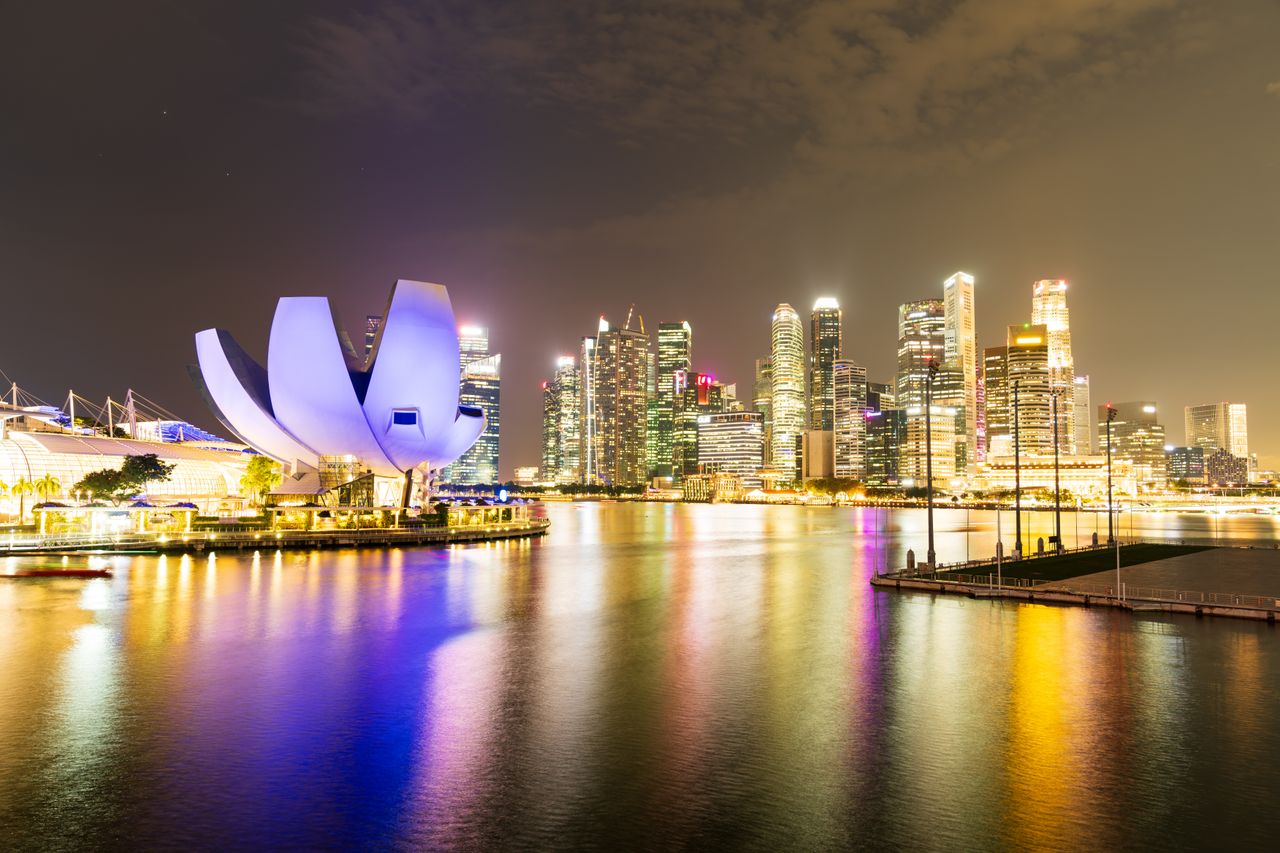
سنغافورة، شهرًا بشهر
درجة الراحة من 100 لنوع الرحلة التي تناسب سنغافورة أكثر، ومتوسط الحرارة العظمى، وأيام المطر، وساعات الشمس في اليوم من المعدلات المناخية، ومدى الازدحام المعتاد.
كيف يكون كل شهر في سنغافورة
كتبها محررو SeasonMap مما يحدث فعلًا على أرض الواقع — لا من المتوسطات.
- يناير
The tail of the northeast monsoon, with frequent heavy rain, and Thaipusam (movable) taking a barefoot procession across the city.
monsoonfestival
- فبراير
Chinese New Year (movable, late January or February) closes shops for two days and fills Chinatown for a fortnight.
festivalclosed
- مارس
The wet monsoon ends and the air turns hotter and stickier, with squalls in the early morning rather than settled afternoon rain.
shoulder
- أبريل
Hot and humid with afternoon thunderstorms: the least comfortable month to be outdoors, whatever the thermometer says.
monsoon
- مايو
Hot, humid and stormy, with Vesak Day (movable, usually May) filling the temples.
festivalmonsoon
- يونيو
The southwest monsoon starts, and with it the regional haze risk, which depends on fires in Sumatra and varies enormously by year.
smoke
- يوليو
Warm, sticky and one of the drier months. The mid-year school holidays fill Sentosa and the offshore islands at the weekend.
shoulder
- أغسطس
National Day on 9 August fills the bay with a parade, and the Hungry Ghost month (movable) brings roadside offerings and street opera to the housing estates.
festivalsmoke
- سبتمبر
Usually the driest month, and the haziest. The night motor race and Mid-Autumn lanterns in the Gardens fill the calendar.
festivalsmoke
- أكتوبر
The rains return, and Deepavali (movable, October or November) lights Little India for several weeks.
festivalmonsoon
- نوفمبر
The northeast monsoon sets in: the wettest stretch of the year, with rain most afternoons.
monsoonlow season
- ديسمبر
The wettest month, when the rain settles in for whole afternoons rather than passing through, and Christmas lights run the length of Orchard Road.
monsoonfestival
الفعاليات في سنغافورة على مدار السنة
مهرجانات ومشاهد طبيعية وعطلات ومواسم تستحق الانتباه — منتقاة وموثّقة المصدر. والتفاصيل في صفحات الأشهر.
- يناير
- Thaipusam1 فبرمهرجان
- Chinese New Year17–18 فبرعطلة
- مارس
- Hari Raya Puasa (Eid al-Fitr)5–31 مار (عادةً)عطلة
- مايو
- Vesak Day31 مايومهرجان
- Hari Raya Haji (Eid al-Adha)15 مايو – 5 يون (عادةً)عطلة
- يونيو
- Regional haze risk1 يون – 15 أكت (عادةً)خطر
- أغسطس
- Hungry Ghost month1 أغس – 10 سبت (عادةً)مهرجان
- National Day8–10 أغسمهرجان
- سبتمبر
- Mid-Autumn Festival1 سبت – 5 أكت (عادةً)مهرجان
- Singapore Grand Prix9–11 أكتمهرجان
- أكتوبر
- Deepavali8 نوفمهرجان
- نوفمبر
- Christmas on Orchard Road10 نوف – 2 ينامهرجان
- Northeast monsoon1 نوف – 31 ينا (عادةً)موسم
الازدحام في سنغافورة في فبراير
مدى ازدحام المكان نفسه — العطل المدرسية والعطل الجماعية، والأشهر التي وسمها المحرّر، ومدى الإقبال الذي يصنعه الطقس. لا يدخل هذا أبدًا في درجة الراحة.
مزدحمChinese New Year، عطلات مدرسية في سوقين من الأسواق التي تملؤه، يغلق جزء من البلدة أبوابه هذا الشهر(تقديري)
ذروة الازدحاممزدحمالموسم البينيهادئ
معلومات مفيدة قبل السفر إلى سنغافورة
تجارب حقيقية من كتابات المسافرين أنفسهم، مقتبسة مع رابط إلى النص الأصلي.
العادات والآداب
A traveler describes eating kway chap at a hawker centre and, without really thinking about it, stacking the bowls and dropping the tray at the return point on the way out - noting that's exactly how the mandatory tray-return rule (in force since 2021, with fines up to S$300 for repeat offenders) has settled in as just a normal habit rather than something people consciously comply with under threat. Locals writing about the policy describe hawker centres becoming visibly cleaner since enforcement began, with tray-return stations reliably empty because most diners handle it themselves before a warden ever needs to say anything. Posters generally note first-time visitors sometimes forget simply because it's not a habit from home, and the practical fix is just watching what everyone else at the table next to you does and matching it - the social norm does most of the enforcement, not the fine itself.
ملاحظات المسافرين عن سنغافورة
ما يقوله من زاروا المكان — الملاحظات على مدار السنة أولًا، ثم شهرًا بشهر.
As Singapore is 1°17' north of the Equator, its tropical weather is usually sunny with little in the way of distinct seasons. Rain falls almost daily throughout the year, usually in sudden, heavy showers that rarely last longer than an hour. However, most rainfall occurs during the northeast monsoon (November to January), occasionally featuring lengthy spells of continuous rain. Spectacular thunderstorms can occur throughout the year, any time during the day, so it's wise to carry an umbrella at all times, both as a shade from the sun and a cover from the rain. Between May and October, forest fires in neighbouring Sumatra can also cause dense haze, although this is unpredictable and comes and goes rapidly: check with the National Environment Agency for up-to-date conditions. The temperature averages around: * 31°C daytime, 24.5°C at night in December and January. * 32.5°C daytime, 25.5°C at night for the rest of the year.…
January is the tail end of the wet phase of the Northeast Monsoon, and the forum's regulars say it often transitions to the dry phase by late month — so the first half is the wetter half. The reassurance they give is about duration, not frequency: rain "normally does not last very long, maybe a few minutes to a few tens of minutes," and the city is built for it — "there are sheltered walkways and corridors almost everywhere. It is not likely that you will get drenched." Carry an umbrella anyway. What nobody sells as seasonal is the humidity: "Singapore is hot and humid all the time," and scattered light rain can arrive any hour of any day, year-round. Our record backs the wet part — 20.6 rain days and 192mm, the year's high — with 28°C days that barely move month to month.
February is marginally the driest month, which is the only lever you have — it's 31°C and humid every day of the year. Plan the outdoors for early morning and treat 2-5pm as indoor time. The rain, when it comes, is a 40-minute event.
Regulars describe rain here as short, sharp showers or thunderstorms, often just once a day and some days not at all, rather than a sustained soak - a genuinely good month overall despite the wet-sounding statistics. Our row backs the real wetness behind that framing, 228.1mm of rain across a striking 23.6 days, alongside intense heat, 31.3C reading as a hot 37C at 82 percent humidity, over 25.4C nights. Regulars specifically flag haze, driven by seasonal burning further south, as the one real health-relevant caveat worth checking before a trip, though this month itself is called a low-risk window for it. The sea holds a warm 27.7C. The record: 10.1 hours of sun, a 12.9 kph wind and AQI 59.
One regular puts the humidity better than any column can: a 31C day here is more uncomfortable than a 42C day in a dry country. Our feels-like agrees, turning 30.7C into 37C at 82 percent humidity. June sits in the south-west monsoon, which they describe as showers and thunderstorms from before dawn to midday and again in the late afternoon, rarely lasting half an hour. That is what our 209.1mm across 26.1 days actually means - rain touches almost every day and stops almost every time. Nights hold 25.7C and the sea is 30.2C. Carry the umbrella, plan the indoor half, and do not trust a gap in the cloud. The record: 9 hours of sun and AQI 58.
Singapore's July threads describe the constant: hot and humid, around 29°C by day and barely cooler at night, with rain on most days that usually arrives as a short burst — half an hour to a few hours — rather than a washout. Attractions run year-round and regulars say July rarely derails a plan. The two things worth knowing are seasonal rather than climatic: July through October is when haze from fires in neighbouring Indonesia can appear, unpredictably since it isn't a weather pattern, and July and August are busy with overseas summer holidays.
Forum answers to “is Singapore unbearably hot” settle on the same shape for August as any other month — there's no cooler stretch to wait for: “it's not so much the heat, but the heat+humidity” that wears visitors down, worsened by “90%+ humidity and the direct heat radiation of the sun at one degree north of the equator.” Rain rarely derails plans — showers “don't last long, and are normally over within an hour,” typically an afternoon thing rather than an all-day washout. Our record for August: 28.5°C days that feel like 34°C, 81.5% humidity and rain on 24 of 31 days — frequent but short, matching the pattern locals describe.
Singapore-forum threads on September flag two separate risks that don't always coincide: the regular short, scattered showers that clear fast, and the haze that can drift in from Indonesian burning between August and October in a bad year - worth checking a live index rather than assuming either. Crowds are called manageable outside the Mid-Autumn lantern weekends. The record backs the shower description: 30.5C days feeling like 36C, humidity above 80 percent, 194mm of rain spread across 25 days, and an AQI of 57 - unremarkable most years, but the one month worth double-checking before you go.
أضف ملاحظتك من بطاقة سنغافورة على الخريطة.