طقس أنتيغوا غواتيمالا شهرًا بشهر
أفضل وقت لزيارة أنتيغوا غواتيمالا هو من ديسمبر إلى فبراير — 94/100 في يناير، 26°C ويوما مطر. أفضل موسم هو الموسم الجاف، من نوفمبر إلى أبريل (88/100 في المتوسط).
أسوأ شهر هو يونيو بدرجة 58/100 — حارّ، غزير المطر، هواء خانق. اطّلع على يونيو →
آخر تحديث: سبتمبر 2026 · معدلات مناخية من تحليل ERA5
تخطّط لرحلة أوسع؟ أفضل وقت لزيارة غواتيمالا →
أفضل موسم: من نوفمبر إلى أبريل (88/100 في المتوسط) · الأسوأ يونيو (58/100)
- النهار
- 26°C
- الليل
- 15°C
- أيام المطر
- 2
- الشمس
- 10.4 h
- الرطوبة
- 67%
- ضوء النهار
- 11 h
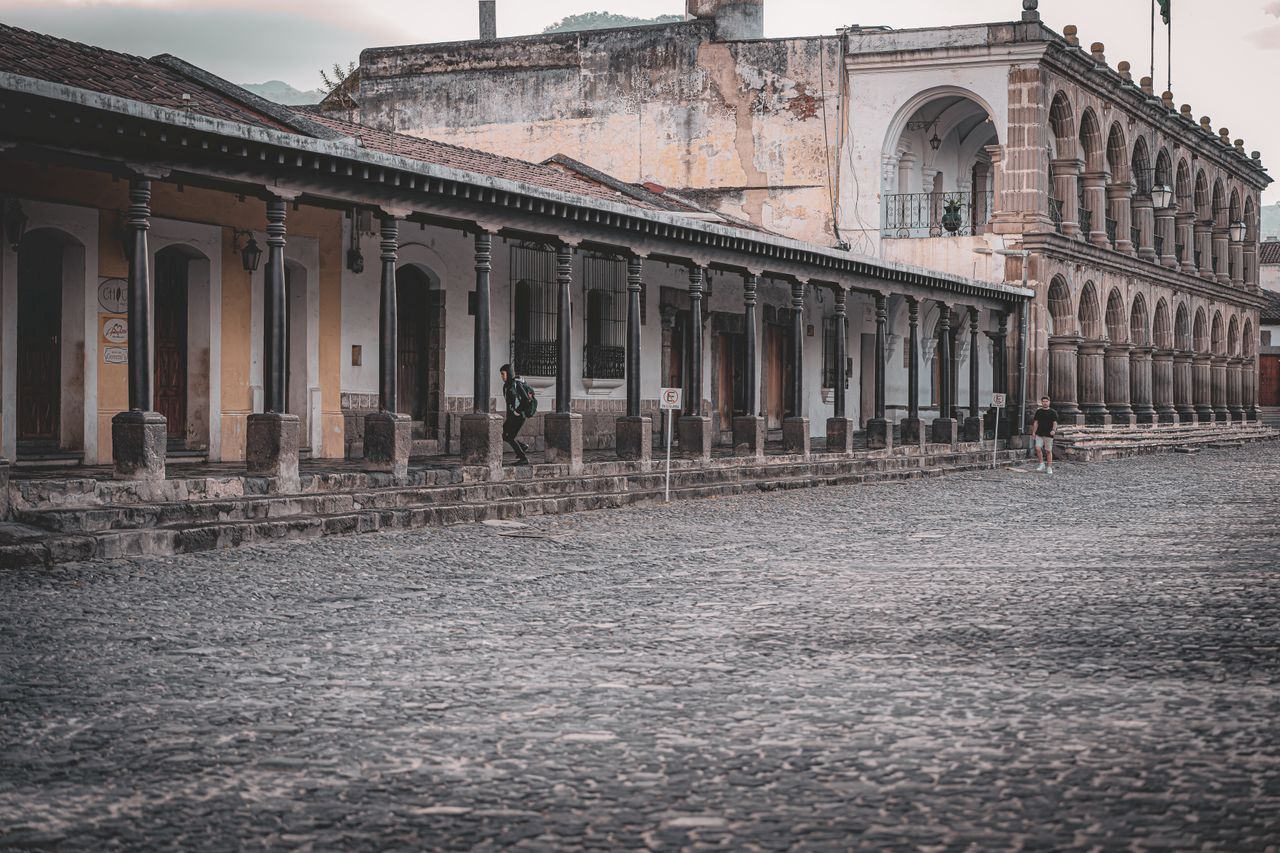
أنتيغوا غواتيمالا، شهرًا بشهر
درجة الراحة من 100 لنوع الرحلة التي تناسب أنتيغوا غواتيمالا أكثر، ومتوسط الحرارة العظمى، وأيام المطر، وساعات الشمس في اليوم من المعدلات المناخية، ومدى الازدحام المعتاد.
الفعاليات في أنتيغوا غواتيمالا على مدار السنة
مهرجانات ومشاهد طبيعية وعطلات ومواسم تستحق الانتباه — منتقاة وموثّقة المصدر. والتفاصيل في صفحات الأشهر.
- فبراير
- Lenten processions15 فبر – 27 مار (عادةً)مهرجان
- مارس
- Semana Santa29 مار – 5 أبرمهرجان
- مايو
- Corpus Christi carpets21 مايو – 27 يون (عادةً)مهرجان
- يوليو
- Feast of Santiago1–25 يول (عادةً)مهرجان
- Canícula, the midsummer dry spell1 يول – 20 أغس (عادةً)موسم
- سبتمبر
- Independence Day14–15 سبتمهرجان
- أكتوبر
- Month of the Rosary1–31 أكت (عادةً)مهرجان
- نوفمبر
- Giant kites for All Saints1 نوفمهرجان
- Dry season1 نوف – 30 أبر (عادةً)موسم
- ديسمبر
- Quema del Diablo7 ديسمهرجان
- Christmas and New Year16 ديس – 1 يناعطلة
الازدحام في أنتيغوا غواتيمالا في يناير
مدى ازدحام المكان نفسه — العطل المدرسية والعطل الجماعية، والأشهر التي وسمها المحرّر، ومدى الإقبال الذي يصنعه الطقس. لا يدخل هذا أبدًا في درجة الراحة.
ذروة الازدحامDry season، Christmas and New Year، عطلات مدرسية في 3 أسواق من الأسواق التي تملؤه(تقديري)
ذروة الازدحاممزدحمالموسم البينيهادئ
معلومات مفيدة قبل السفر إلى أنتيغوا غواتيمالا
تجارب حقيقية من كتابات المسافرين أنفسهم، مقتبسة مع رابط إلى النص الأصلي.
التأشيرات والدخول
A traveler hiking Acatenango, about an hour from Antigua and typically done as a 24-hour overnight trip to basecamp, describes summit conditions between sunset and sunrise as genuinely brutal - around 0C dropping toward -10C with wind chill, cold enough that multiple accounts specifically warn against underestimating how much the temperature actually drops after dark. She's direct that the hike itself is tough even before the cold factor: heavy legs from a demanding uphill day one, made worse by loose volcanic gravel underfoot that makes each step less stable than solid trail. The specific payoff, repeated across multiple trip reports: camping within view of the neighboring active Fuego volcano and watching it erupt through the night from basecamp, an experience several describe as unlike anything else they've witnessed while traveling. Posters generally rate Acatenango as genuinely difficult and genuinely cold, not a hike to underestimate, but consistently rank the overnight eruption-watching as worth every uncomfortable hour leading up to it.
ملاحظات المسافرين عن أنتيغوا غواتيمالا
ما يقوله من زاروا المكان — الملاحظات على مدار السنة أولًا، ثم شهرًا بشهر.
January in Antigua is the month the forum describes as about as good as the weather gets here: dry, sunny, highs in the 70s and 80s F, and rain perhaps once or twice across the whole of January and February. The catch is the night. Antigua sits high, temperatures drop into the 50s F after dark, and the colonial buildings have no central heating - so the cold is an indoor problem as much as an outdoor one. The packing advice regulars give is unusually specific: trousers and breathable short sleeves for the day, a fleece or light sweater for the evening, fleece preferred because it is warm, sheds light rain and does not wrinkle. The record: 25.5C days against 15.3C nights, 2.2 precipitation days carrying 6.8mm, humidity 67 percent, 10.4 hours of sun and AQI 67.
January and February are the months regulars name for Antigua: good weather, not overrun, and rain maybe once or twice across a four or five week stay - our row gives 13.1mm across 3.8 precipitation days. The qualification is about sight rather than comfort. Three volcanoes stand over the town and only Fuego is active, but the view is never guaranteed: cloud rolls in even in the dry season and can lift again just as suddenly, and a storm is possible whatever the label says. What they do promise is that mornings are usually the gorgeous part, so plan the view and the Acatenango start early. Our 26.5C day over a 15.8C night is the altitude. The record: humidity 64 percent, 10.7 hours of sun, a 10.6 kph wind and AQI 66.
Regulars call this a fantastic month, sunny and warm by day with genuinely cool to cold nights as dry-season cold air masses reach the highlands - the wet season here runs May to October, placing March squarely in the dry, reliable half of the year. Our row backs both halves of that swing, 27.6C over 16.9C, with rain a minor presence at 30.5mm across 9.9 days. One caution some visitors raise for the back half of the month into April is poor visibility, a haze that settles over the highlands as the dry season wears on - agricultural burning is the usual cause across this region, worth knowing before planning a view-dependent day trip. The air quality column already shows the season's toll, AQI 81. The record: humidity 64 percent, 11.1 hours of sun and a 9.6 kph wind.
Regulars are specific this highland city at roughly 5,200 feet enjoys what's locally called an eternal spring climate, late April marking the very beginning of the rainy season with genuinely wide variability - some years bringing no rain at all through the month, others bringing a lot. Our row backs that mild, genuinely wet read, 27.9C reading as a hot 30C, over 17.8C nights feeling 19C, with a substantial 98.8mm of rain across 17.9 days and humidity at 67 percent. Regulars are consistent daytime highs commonly cited around 26C with nights in the high teens, comfortable enough that heavy layers aren't needed even as the rainy season approaches. Air quality here can also be a real factor this time of year given regional burning season. The record: 11.3 hours of sun, an 8.7 kph wind and AQI 88.
Forum posters describe June mornings as nearly always gorgeous and clear, with rain typically arriving in the afternoon or evening on rainy-season days - not an all-day event, and much of a typical June stay still sunny and pleasant overall. Posters are candid that year-to-year variation is real and has grown harder to predict: one student group's late-June trip saw almost no rain except a single genuine downpour, while the same trip the following year saw rain more days than not. A passing tropical storm can occasionally bring landslides in a bad year, but posters describe this as an occasional risk rather than the norm - everything turning vividly green and trails getting muddy after rain being the more typical June experience.
November is the handover month and regulars put the line at its start: the rains are generally done by the beginning of November, so early in the month still carries a decent chance of one and late in the month barely any. What they value is the overlap - the dry season starting while the countryside is still lush from the rains just finished. They add that it can be windy and cool, and that the town's 5,000 feet of altitude is why the temperature barely moves across the year. Our row gives 24.9C over 16.8C with 60.1mm across 9 days. The figure to check is the air at AQI 73. The record: humidity 77 percent, 9.7 hours of sun and a 9.1 kph wind.
Antigua's forum calls December pleasant and essentially rain-free, low 70s°F by day dropping to the upper 50s at night, with the rainy season having ended on November 1st. Regulars flag the city's 5,000-foot elevation as the reason for its spring-like year-round climate, and recommend a proper jacket and layers over jeans for the genuinely cool evenings.
أضف ملاحظتك من بطاقة أنتيغوا غواتيمالا على الخريطة.