የGalle (Unawatuna) አየር ሁኔታ ወር በወር
Galle (Unawatuna)ን ለመጎብኘት ምርጡ ጊዜ ከጃንዋሪ እስከ ማርች ነው — በፌብሩዋሪ 87/100፣ 31°ሴ እና 14 የዝናብ ቀናት። ምርጡ ወቅት ደረቅ ወቅት ነው፣ ከዲሴምበር እስከ ኤፕሪል (82/100 በአማካይ)።
ዝቅተኛው ወር ኖቬምበር ነው በ61/100 — እጅግ ሞቃት፣ ዝናብ የጠገበ፣ ንጹህ አየር። ኖቬምበርን ይመልከቱ →
የተዘመነው ሴፕቴምበር 2026 · የአየር ንብረት መደበኛ አማካዮች ከERA5 ዳግም ትንተና
ሰፊውን ጉዞ እያቀዱ ነው? ሽሪ ላንካን ለመጎብኘት ምርጡ ጊዜ →
ምርጡ ወቅት፦ ከዲሴምበር እስከ ኤፕሪል (82/100 በአማካይ) · ዝቅተኛው ኖቬምበር (61/100)
- ቀናት
- 31°C
- ሌሊቶች
- 24°C
- እርጥብ ቀናት
- 14
- ፀሐይ
- 10.5 h
- እርጥበት
- 80%
- የቀን ብርሃን
- 12 h
Galle፣ ወር በወር
Galle ለሚስማማው ዓይነት ጉዞ ከ100 የሚሰጠው የምቾት ነጥብ፣ አማካይ ከፍተኛ ሙቀት፣ የዝናብ ቀናትና በቀን የፀሐይ ሰዓታት ከአየር ንብረት መደበኛ አማካዮች፣ እንዲሁም ምን ያህል የመጨናነቅ ዝንባሌ እንዳለው።
በዓመቱ ውስጥ በGalle ምን አለ
በዓላት፣ የተፈጥሮ ትዕይንቶች፣ የዕረፍት ቀናትና ሊጠነቀቁባቸው የሚገቡ ወቅቶች — ተመርጠውና ምንጫቸው ተጠቅሶ። ዝርዝሩ በወር ገጾቹ ላይ ነው።
በፌብሩዋሪ በGalle ያለው ሕዝብ ብዛት
ቦታው ራሱ ምን ያህል እንደሚጨናነቅ — የትምህርት ቤትና የሕዝብ በዓላት፣ አዘጋጁ ምልክት ያደረገባቸው ወራት፣ እና የአየር ሁኔታው ምን ያህል ተፈላጊ እንደሚያደርገው። በምቾት ነጥቡ ውስጥ ፈጽሞ አይካተትም።
ከፍተኛ ሕዝብSouth coast season፣ February break በሽሪ ላንካ፣ ጎብኚዎቹን ከሚያመጡት ገበያዎች በ2 ውስጥ የትምህርት ዕረፍት(ግምታዊ)
ከፍተኛ ሕዝብሕዝብ በዝቷልየሽግግር ወቅትጸጥ ያለ
ወደ Galle ከመሄድዎ በፊት ማወቅ የሚገባዎት
ከተጓዦች ራሳቸው ጽሑፎች የተወሰዱ እውነተኛ ተሞክሮዎች፣ ወደ ዋናው ምንጭ በሚወስድ አገናኝ ተጠቅሰዋል።
ቪዛና መግቢያ
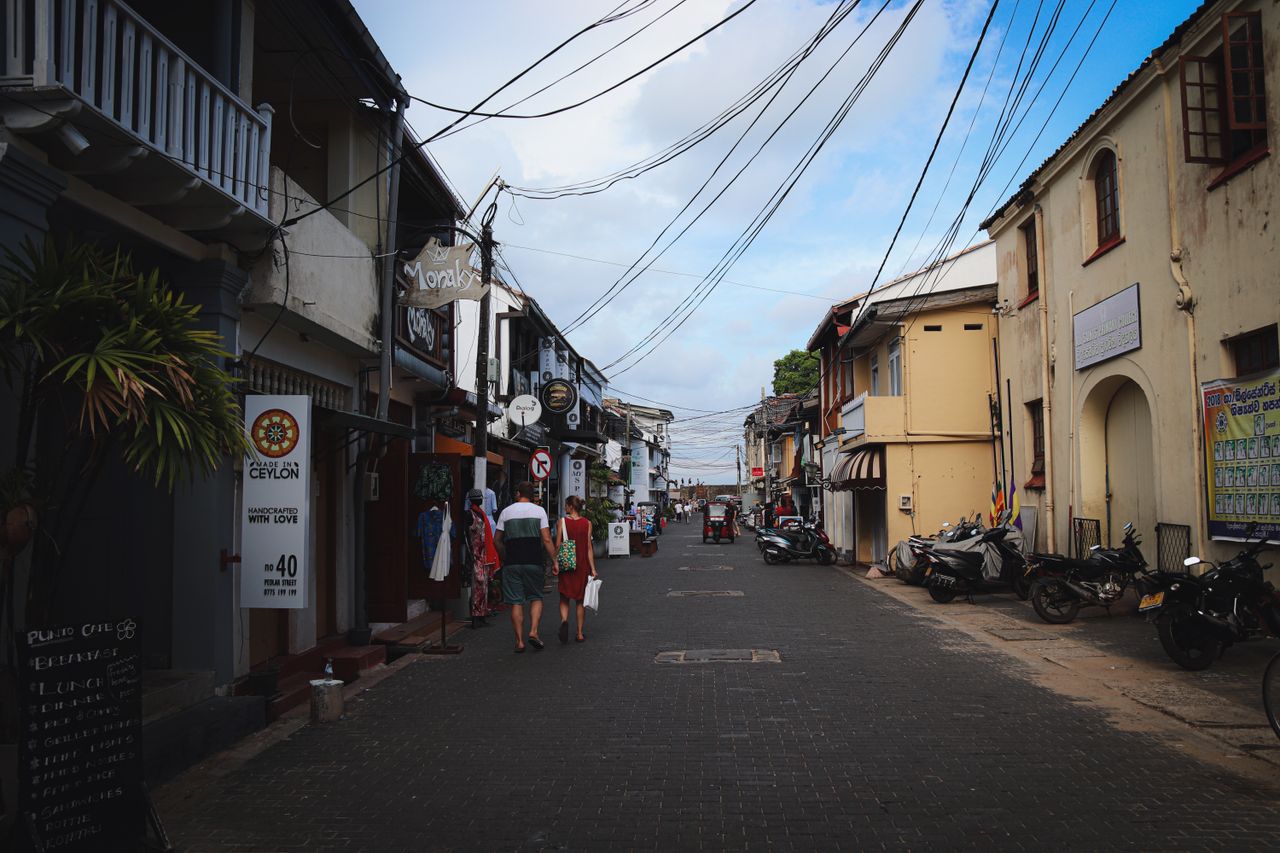
We stayed inside the Fort walls so everything, the Clock Tower, the Dutch Hospital, the lighthouse, was a walk rather than a tuk-tuk ride, and evenings meant strolling the ramparts with everyone else watching the sunset. Late afternoon turned out to be the best time on the walls themselves, once the midday heat had softened and the light went warm. Triton Bastion was where the cliff divers gathered and families flew kites, while Flag Rock further along had waves crashing hard enough that a few people jumped in for a quick swim between sets. The full loop from the Clock Tower past the mosque and All Saints Church took us about three unhurried hours.
የተጓዦች ማስታወሻዎች ስለ Galle
የሄዱ ሰዎች ስለ ቦታው የሚሉት — መጀመሪያ ዓመቱን ሙሉ የሚሠሩት ማስታወሻዎች፣ ከዚያም ወር በወር።
Our row for Galle counts 16.8 precipitation days in January, which looks like the wrong month entirely until regulars explain the timing. On this south coast you can expect three or four afternoons of heavy rain in a stay, and it arrives late: clouding up around half past four or five, with the serious storms after six once it is dark. The days work; the evenings get wet. January to March is the stretch they name for calm seas and good weather on the south and west coasts, with the dry season running Christmas to mid-April - though they are honest that December onwards has been wetter than the label suggests. Heat is the other factor: 29.8C over 24C at 83 percent humidity and almost no wind reads as 36C. The record: 148.6mm, 9.8 hours of sun and a 27.8C sea.
Galle's forum calls February one of the best months for Sri Lanka's southwest coast, generally dry given the northeast monsoon's focus elsewhere on the island. Regulars are candid this can still mean 3-4 afternoons of heavy rain in a given month, usually a defined window in the early evening rather than an all-day washout, so beach plans built around the morning tend to work out fine.
February and March are the two months the forum names for Sri Lanka's south coast, from Beruwala down to Tangalle - among the sunniest of the island's year, with Galle in the middle of that stretch. Two qualifications travel with the recommendation. The sea in March is often rough even when the weather is fine, so swimming is not automatic; for snorkelling straight off the beach, Hikkaduwa, Mirissa and Polhena are the spots named. And the month breaks at the end, with good days turning to rain towards evening in late March. Our row is the sharper version of that caveat - 20.7 precipitation days carrying 127.7mm, a good deal more falling than dry season implies. The record: 31.3C days that feel like 38C, 25C nights, 10.6 hours of sun and a 29C sea.
April sits about a month ahead of the southwest monsoon, which regulars date to the end of May, and they describe the run-up precisely: hot sunshine most of the day with an isolated downpour toward evening, not continuous rain. December through April is the in-season window for this coast, and April is its last, warmest stretch - our row reads 31.3C but as 39C at 83.9 percent humidity, with 201.2mm across 27.1 days, which is that isolated-downpour pattern rather than a wet month. After the 15th they warn the sea can turn rough even before the rain properly starts, a shoulder-season swell rather than a storm. Nights hold 25.8C, the sea 30.4C. The record: 10.4 hours of sun, an 11.9 kph wind and AQI 50.
Regulars are direct this technically falls within monsoon season here, though it's genuinely unlikely to rain the entire day, rain more commonly arriving in the late afternoon and evening rather than settling in from morning. Our row backs that hot, genuinely wet read, 29.1C reading as a scorching 34C, over 26.1C nights feeling 29C, with a substantial 205.1mm of rain across 28.4 days and humidity at 85 percent. Regulars are consistent this remains genuinely hot and humid throughout regardless of the rain pattern, sun protection and hydration the standard advice for daytime activity. The sea sits at a bath-warm 27.9C. The record: 10.2 hours of sun, a 21.1 kph wind and AQI 42.
Forum posters commonly describe August as part of a 'second high season' with generally good weather - typically sunny with an occasional late-afternoon or evening shower - though the real monthly data doesn't fully back the 'generally dry' framing: rainy-day counts in August sit among the highest of the entire year here, essentially on par with the broader May-through-December stretch, with only January-February standing out as genuinely drier. What August's tourist-season reputation more likely reflects is the southwest monsoon's effect on sea conditions specifically: posters are consistent the sea runs rough and swimming becomes difficult on this coast, with reef-protected spots like Hikkaduwa and Unawatuna a partial exception. For anyone prioritizing calm water over sunbathing, posters recommend the island's east coast (Trincomalee, Pasikuda, Arugam Bay) instead, which is in its own dry season at this time of year.
December is the month the south-west coast changes over, and regulars put the turn late rather than early: the coast dries out a lot from mid-December, and the season proper starts just before Christmas. Some years the first half stays very wet, and they report Decembers where it rained throughout, or where the dry days still carried a sea too rough and windy to enjoy until January. Our row reads that first half: 186.2mm across 21.8 precipitation days, the wettest in this batch. Heat is steady at 30.1C reading as 36C at 84 percent humidity, with a 28.6C sea. For the most reliable south-coast beach weather they name February and March instead. The record: 9.6 hours of sun, a 10.6 kph wind and AQI 57.
ከካርታው ላይ ካለው የGalle ካርድ የራስዎን ማስታወሻ ያክሉ።